
Africa’s long battle against malaria is entering a critical new phase, with scientists warning that resistance to existing tools is eroding decades of progress, even as groundbreaking homegrown innovations offer fresh hope for elimination.
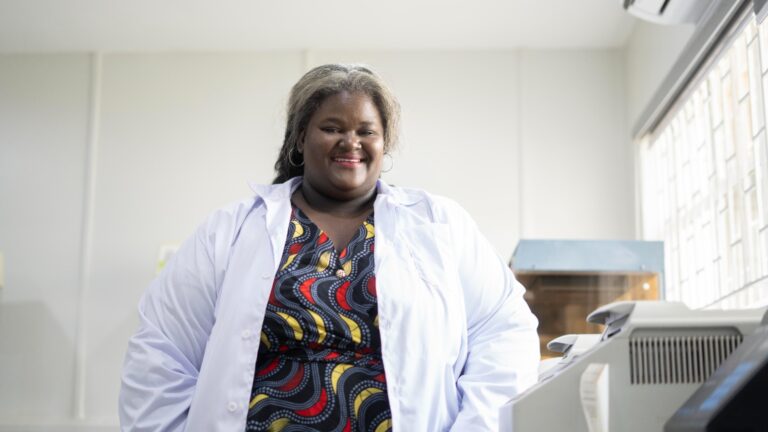
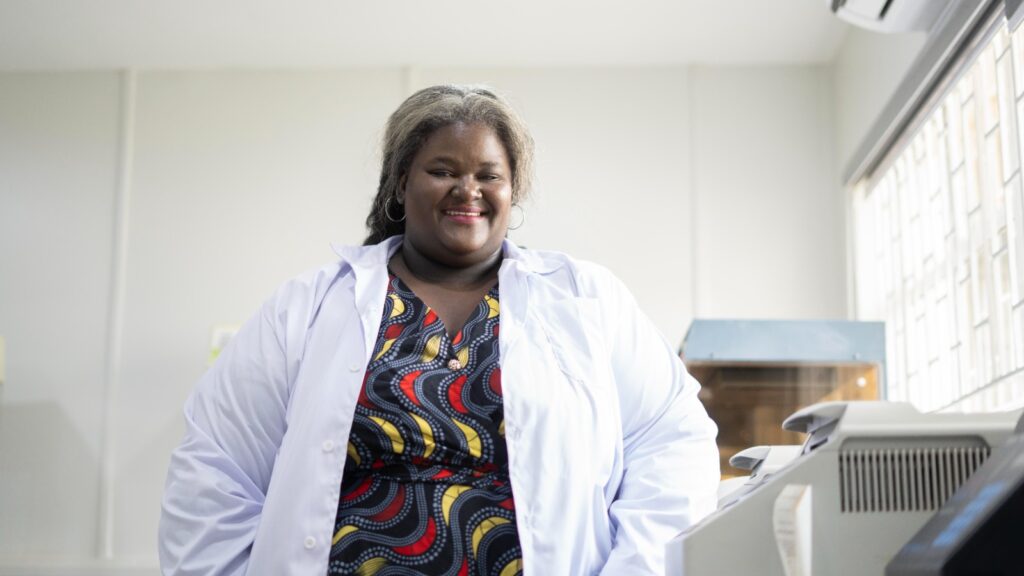
Speaking in an interview to mark World Malaria Day, Uganda-based entomologist and malaria advocate, Krystal Mwesiga Birungi of Target Malaria, said the continent is now “playing catch-up” against a rapidly adapting disease.
World Malaria Day is marked on April 25.
“Resistance is the biggest issue that we really face in our fight against malaria,” she said, pointing to growing drug, insecticide and even behavioural resistance among mosquitoes and parasites.
Data from the World Health Organisation (WHO) show malaria still kills over 600,000 people globally each year, with Africa bearing more than 90 per cent of cases and deaths. Nigeria alone accounts for a significant share of this burden, making it one of the world’s most affected countries.
Birungi warned that even frontline treatments such as Artemisinin-based Combination Therapies (ACTs) are beginning to lose effectiveness. “Partial resistance to ACTs has already been detected in at least five African countries,” she said, noting that such trends often spread geographically over time.
Beyond drugs, mosquito adaptation is also weakening key interventions like insecticide-treated nets. “Mosquitoes are changing their behaviour—biting earlier in the morning or before people go to bed—creating gaps in protection,” she explained.
However, amid these challenges, new scientific breakthroughs are opening promising avenues. At the forefront is research into genetically modified mosquitoes designed to suppress malaria transmission by skewing mosquito populations toward males.
Birungi said the project has reached the proof-of-concept stage in controlled environments, with populations declining significantly in laboratory settings. “The next phase is field trials, but this requires rigorous regulatory approvals and community engagement,” she added, with potential small-scale releases targeted around 2030.
Crucially, she emphasised that Africa must shift from being a passive recipient of imported solutions to a driver of its own health innovations.
“It is important for African scientists, legislators and regulators to be part of developing these tools. When solutions are designed locally, they are more effective and more acceptable,” she said, citing past mismatches such as mosquito nets unsuitable for local housing structures.
This shift is already underway through collaborations with institutions like the Uganda Virus Research Institute and broader continental efforts under African Union Development Agency – NEPAD to strengthen research and regulatory capacity.
The call to action, Birungi stressed, is clear: political will and sustained funding.
“For Africa to set its own agenda, governments must prioritise health and technology budgets. Without that commitment, progress will remain limited,” she said.
She also highlighted the need for stronger community engagement to build trust in emerging technologies. “You can spend decades developing a tool, but if communities don’t understand or accept it, it won’t be used,” she cautioned.
Women, she added, must play a central role in this next phase, both as those most affected—particularly pregnant women and children—and as contributors to scientific innovation. Yet systemic barriers continue to limit their participation.
As Africa stands at a crossroads, Birungi believes the combination of scientific innovation, local leadership and inclusive policies could finally tilt the balance.
“We are in a race against time,” she said. “But if we act decisively and collectively, malaria elimination is within reach.”