


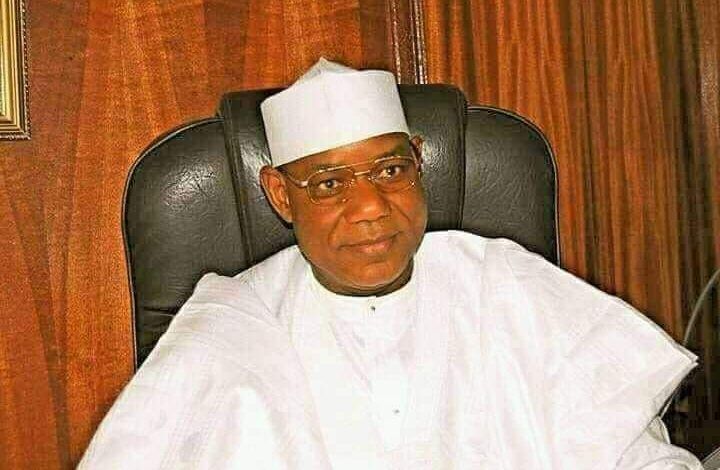
As the countdown to the 2027 general elections quietly gathers momentum, a chieftain of the All Progressives Congress (APC), Prof. Rufa’i Alkali, has warned that President Bola Ahmed Tinubu’s greatest political challenge may not come from a resurgent opposition, but from within the ruling party itself.
Alkali noted that while concerns about a united opposition are valid—drawing parallels with the historic 2015 elections when an incumbent president conceded defeat—an overreliance on that narrative risks overlooking more serious internal threats
According to him, beneath the APC’s outward show of strength lies a complex web of competing ambitions, fragile alliances, and unresolved grievances. He argued that the recent influx of defectors into the party, though boosting its numerical strength, has also intensified internal rivalries and revived longstanding disputes across several states.
“The real moment of truth will come during the primaries,” Alkali stated, explaining that the contest for limited tickets among a growing pool of aspirants could trigger open conflict.
He added that consensus arrangements may temporarily mask tensions but cannot eliminate the resentment that often follows exclusion.
The former political adviser further highlighted widening cracks between governors and key stakeholders, including lawmakers, ministers, and party leaders, describing these divisions as serious threats to the party’s electoral machinery.
In politically strategic states such as Kano and Rivers, he pointed to lingering conflicts rooted in godfather-godson dynamics as additional sources of instability.
Alkali also drew attention to the predicament of second-term governors, who must balance succession plans with their own future ambitions. He warned that attempts to impose successors could reignite old rivalries and provoke resistance from sidelined political actors.
He cautioned that the period following party primaries could prove even more damaging if not properly managed, citing the risks of litigation, anti-party activities, and internal sabotage. Such outcomes, he said, could significantly weaken the party ahead of the general elections.
At the national level, Alkali observed that some senior government officials and political appointees may become less committed if they perceive uncertainty about their future roles in a potential second-term administration. This, he said, could lead to a decline in enthusiasm and active support for the president.
He further warned of a growing disconnect between the political elite in Abuja and grassroots mobilisers across the sstate,Weatheres, stressing that disengagement at the grassroots level could quietly erode the party’s strength.
Describing the situation as a looming “sit-down-and-look” syndrome, Alkali said passive resistance and silent withdrawal could prove more damaging than open opposition.
“The task before President Tinubu is to unite a house already showing signs of strain,” Alkali said, adding that unresolved internal tensions could ultimately become a heavy burden for the party if left unaddressed.
He concluded that, in politics, the most dangerous threat is not always external, but often the accumulated weight of internal discord left unattended.








