


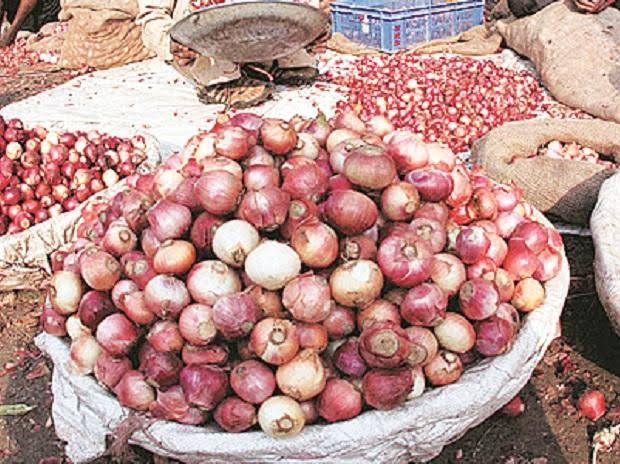
Cross-border onion trade between Nigeria and Ghana has officially resumed following the lifting of restrictions that had disrupted the movement of goods and stranded dozens of trucks along the trade corridor.
In a notice issued on Tuesday, the Regional Observatory of Onion in West and Central Africa confirmed that all outstanding issues affecting the trade had been resolved after sustained dialogue and interventions by relevant authorities and industry stakeholders.
The President of the regional body, Aliyu Maitasamu, announced that normal operations would resume immediately.
“All trucks conveying onions between Nigeria and Ghana are authorised to resume movement, and all affected trucks have been released,” he said.
The resumption follows weeks of disruption triggered by a dispute involving onion traders and authorities along the Ghana corridor.
Nigerian exporters had earlier suspended shipments after reporting harassment, trade bottlenecks, and safety concerns affecting drivers and consignments.
The standoff significantly impacted regional commerce, with industry sources estimating daily losses running into billions of naira due to halted exports. Nigeria, one of West Africa’s largest onion producers, relies heavily on Ghana and neighbouring countries as key markets.
The disruption also affected supply chains beyond Ghana, with ripple effects felt in countries such as Côte d’Ivoire and Burkina Faso, which depend on the same trade route.
Fresh assurances
Maitasamu said the resolution was the result of recent interventions and ongoing dialogue among stakeholders in both countries, noting that mechanisms had been put in place to prevent a recurrence.
“All outstanding issues that previously disrupted trade and posed challenges to the safety and commercial activities of Nigerian and Ghanaian onion traders have been addressed,” he stated.
He urged traders and transport operators to strictly comply with existing trade regulations and safety procedures as operations resume.
“We encourage all stakeholders to conduct their business in accordance with established trade frameworks while authorities continue to monitor activities to ensure a safe, lawful, and fair trading environment,” he added.
Traders and exporters have welcomed the development, describing it as a major relief after weeks of uncertainty and financial losses.
A Lagos-based exporter said the reopening would help stabilise supply and prices across the sub-region.
“This is a big relief for us. The losses were huge, and many trucks were stranded for days. Now we can return to business and gradually recover,” the trader said.
Stakeholders also expressed optimism that renewed cooperation between Nigerian and Ghanaian authorities would strengthen regional trade ties and prevent future disruptions.
With movement restored, attention is now shifting to rebuilding confidence along the corridor and ensuring that cross-border trade remains smooth and mutually beneficial.








