

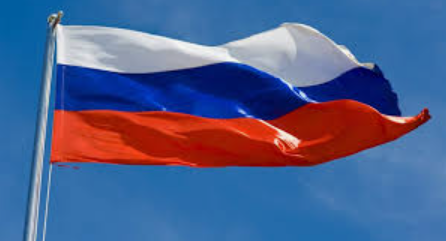
Nigeria has been named among countries linked to a new Russia-backed cross-border payments initiative aimed at expanding Moscow’s financial footprint in Africa and reducing reliance on Western financial systems following sanctions imposed over the war in Ukraine.
According to a report by the Financial Times, Russia is seeking to develop an alternative payments network across Africa using a ruble-backed cryptocurrency operated through A7, a digital financial platform partly controlled by fugitive Moldovan banker Ilan Șor and Russia’s Promsvyazbank, a lender associated with the country’s defence sector.
The two entities reportedly hold stakes of 51 per cent and 49 per cent, respectively, in the platform, which Moscow is positioning as part of a broader effort to create new financial channels outside Western-controlled infrastructure.
The initiative centres on A7A5, a ruble-backed stablecoin that has been granted official recognition in Russia as a digital financial asset. The platform is designed to facilitate international payments and trade settlements at a time when Russian banks and companies face restrictions in global financial markets.
Russia’s Foreign Minister, Sergei Lavrov, described A7 as the country’s “first international financial platform” during a Russia-Africa conference held in Cairo in December, stating that “Nigeria and Zimbabwe have already joined the platform” while inviting other African countries to participate.
Despite the claim, evidence of the platform’s operational presence in Africa remains limited. The Financial Times reported that cryptocurrency professionals in both Nigeria and Zimbabwe said they were unaware of A7’s activities, raising questions about the scale of adoption on the continent.
A senior researcher at the London-based nonprofit Centre for Information Resilience, Elise Thomas, said there was little verifiable digital footprint showing that the company had established meaningful operations in locations where it claims to be active.
“There is virtually no online presence demonstrating substantive activity,” Thomas was quoted as saying, suggesting the project may still be at an early or exploratory stage.
A7 has nonetheless begun recruiting staff for African operations, including advertising for a project manager role in Togo tasked with building local operations “from scratch”. The company has also said it opened an office in Nigeria last autumn and plans to establish another branch in Zimbabwe.
In promotional materials, A7 claims to process up to 19 per cent of Russia’s foreign trade payments, although the Financial Times said it could not independently verify the figure.
Analysts say the payments initiative reflects Russia’s wider strategy to deepen economic and political ties across Africa while promoting alternatives to Western financial systems. In recent years, Moscow has expanded diplomatic engagement on the continent, strengthened military cooperation agreements, and advanced narratives centred on economic sovereignty and reduced dependence on Western institutions.
Thomas noted that projects such as A7 could form part of a broader geopolitical strategy, potentially integrating financial technology initiatives into Russia’s wider engagement framework in Africa.
The development comes amid increasing global interest in digital currencies as tools for cross-border trade, particularly among countries seeking to mitigate exposure to sanctions and currency restrictions. However, industry observers say the success of such platforms will depend largely on regulatory acceptance, trust among financial institutions, and demonstrable real-world usage.








