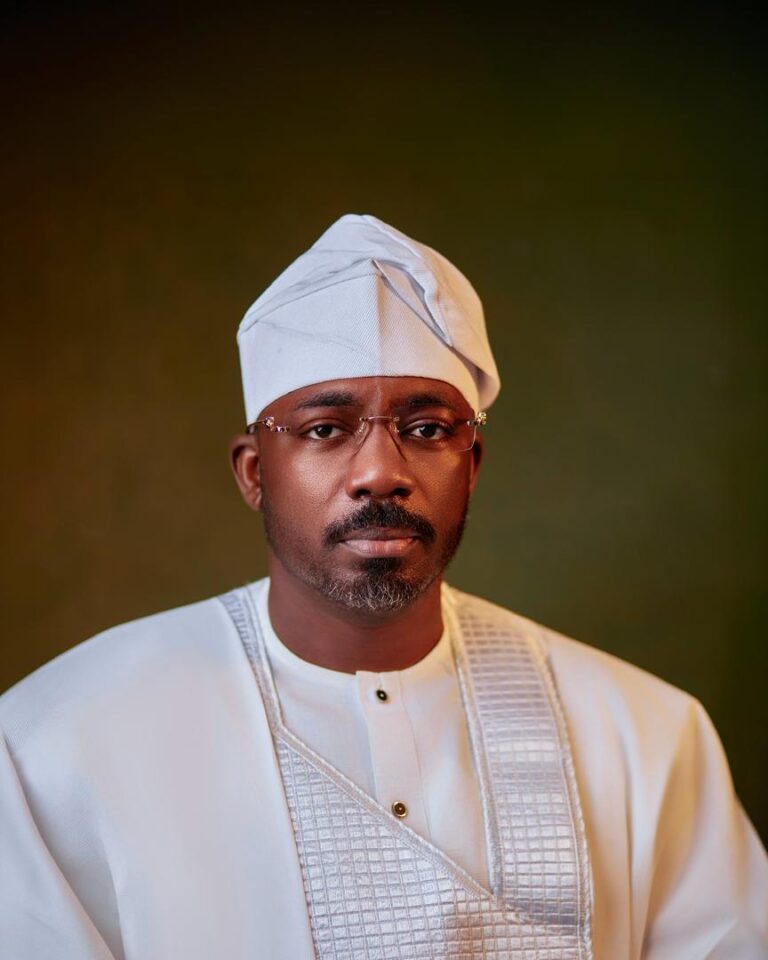

The 2023 presidential candidate of the Social Democratic Party (SDP), Adewole Adebayo, has called for a renewed commitment to the founding ideals of Nigeria, emphasising that politics must be rooted in service to the people rather than personal gain.
Speaking in Osun State, Adebayo reflected on Nigeria’s historical foundation as a negotiated federation, noting that leaders from different regions—north, east, west, and south—came together to shape the country’s independence through constitutional engagements at Lancaster House Conference.
According to him, the early political leadership established parties with clear developmental visions before military intervention disrupted the trajectory.
He argued that much of Nigeria’s current political structure still reflects post-military influences, which he said have distanced governance from its original purpose. Adebayo stressed the need to return to a people-centred political philosophy anchored on social democracy and a clear social contract between leaders and citizens.
Highlighting ongoing engagements with key socio-political groups such as Afenifere, Northern Elders Forum, and Arewa Consultative Forum, he said the goal is to harmonise ideas that will guide future political leadership and governance in the country.
Adebayo further drew parallels with Nigeria’s early political movements, citing the ideological foundations of parties such as the Action Group, Unity Party of Nigeria, People’s Redemption Party, Northern Elements Progressive Union, United Middle Belt Congress, Northern People’s Congress, and National Council of Nigeria and the Cameroons. He noted that these parties were driven by a shared vision of development and public welfare.
According to him, the essence of politics is to achieve “the greatest good for the greatest number,” warning against what he described as the rise of transactional politics, where individuals treat governance as a profit-making venture.
He concluded by urging Nigerians to reclaim politics as a tool for collective progress, insisting that good governance—not personal enrichment—must remain the central objective of political participation.