



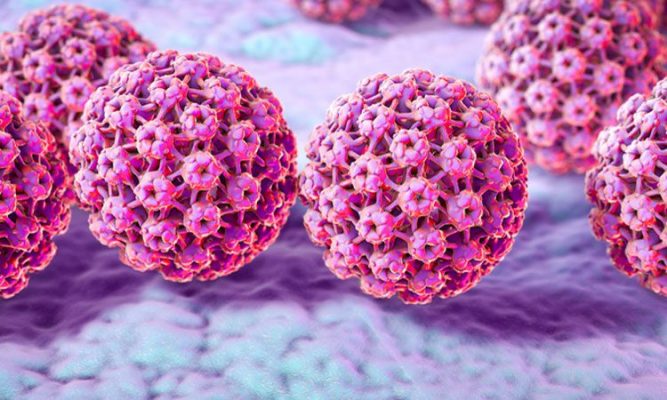
Health experts have issued a renewed call for Nigerians, particularly women of reproductive age, to prioritise the early detection of the Human Papillomavirus as a critical strategy to combat the nation’s growing cervical cancer burden.
The call was made by the Chief Executive Officer of Inocul8, Emmanuel Egbroko, during the launch of the company’s ‘Stay Protected Always’ campaign, an initiative aimed at bridging the awareness gap regarding Human Papillomavirus, improving access to screening services and demystifying the virus that serves as the primary cause of cervical cancer.
Egbroko warned that the persistent nature of Human Papillomavirus as a silent infection often leads to delayed diagnoses, which significantly contributes to high mortality rates across the country.
He said, “Many people do not know they are infected until it is too late. Early screening can detect changes before they turn into cancer, and timely vaccination can prevent infection entirely.”
Recent public health data underscores the urgency of this message. Cervical cancer remains the second most common cancer among Nigerian women and a leading cause of cancer-related deaths, with thousands of new cases and fatalities recorded annually.
Experts note that approximately 70 per cent of global cervical cancer cases are linked to high-risk strains, specifically Human Papillomavirus types 16 and 18.
While cervical cancer is the most prevalent human papillomavirus-related illness, Egbroko emphasised that the virus poses broader health risks. High-risk strains have been linked to cancers of the anus, vagina, penis and throat, while lower-risk types are known to cause genital warts in both men and women.
“No woman should die from a disease that can be prevented. Early detection and vaccination are the most powerful tools we have to protect lives,” Egbroko said.
The ‘Stay Protected Always’ campaign is designed to move beyond simple awareness. By providing information and facilitating access to vaccines and screening, Inocul8 aims to reduce the barriers, such as cultural myths and limited infrastructure, that have historically hindered Human Papillomavirus prevention efforts in Nigeria.
The initiative reinforces the company’s long-term mission to help Nigerian families prevent infectious diseases and mitigate the suffering caused by preventable illnesses, urging citizens to take proactive, informed steps to safeguard their health.