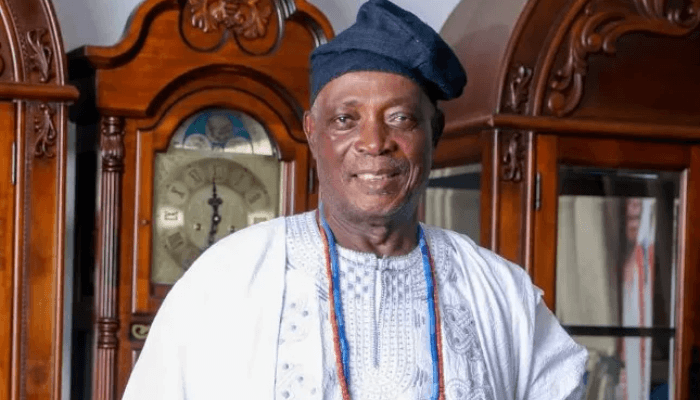
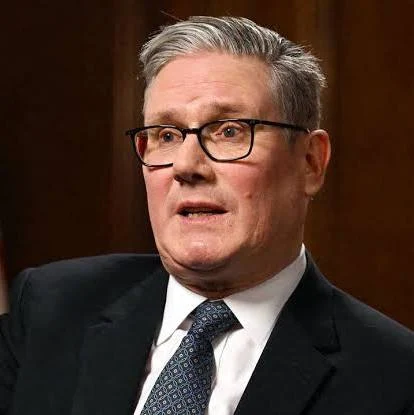
On Wednesday, Britain and Rwanda face off at the international court, with Kigali requesting more than £100 million, stressing that London still owes from a pending deal to deport migrants.
Representatives from both countries clashed in the oak-panelled Permanent Court of Arbitration (PCA) in The Hague, set up in 1899 to settle contractual disputes between nations.
Representing Rwanda, Justice Minister Emmanuel Ugirashebuja said his country “regretted” having to drag Britain to the court to recover “The substantial sums of money of which Rwanda has been deprived.”
“However, the United Kingdom’s intransigence… has left Rwanda with no other choice to vindicate its rights,” Ugirashebuja told the three-judge panel.
The two nations are already at loggerheads after Britain slashed aid to Rwanda, accusing it of supporting M23 rebels in the Democratic Republic of Congo (DRC).
In 2022, former Prime Minister Boris Johnson sealed a deal with Kigali to send migrants arriving in Britain via “dangerous or illegal journeys” in small boats or lorries to Rwanda.
But the scheme hit legal and political obstacles from the start, with the UK Supreme Court eventually slapping it down as illegal.
READ ALSO:
When Keir Starmer became prime minister in July 2024, he declared the plan “dead and buried” on his first full day in office, dismissing it as a “gimmick.”
Then, interior minister Yvette Cooper called it “the most shocking waste of taxpayers’ money I have ever seen.”
During the two years before the scheme was scrapped, only four people actually went to Rwanda, according to the current UK government, all voluntarily.
According to the UK government website, about £290 million has already been paid to Rwanda, but Kigali argued in its pre-hearing submissions to the PCA that two annual payments of £50 million were still outstanding.
“The UK’s termination (of the deal) does not change the UK’s obligation to pay any amount that was already due and payable,” Rwanda said in its 37-page case.
Rwanda also claims an additional £6m, as it says the UK breached a reciprocal agreement to house its “most vulnerable refugees”, mainly fleeing war in the DRC. It put the cost of accommodating these individuals at £6 million.
Finally, Rwanda urged judges to order Britain to issue a formal apology for breaching the deal.
“Rwanda considers that it was wrong for the UK to walk away from its obligations… simply because its internal political assessment of the agreement’s convenience had changed,” its submission says.
“Rwanda is rightly aggrieved by the UK’s conduct and seeks an apology.”
Britain’s response points to “obvious weaknesses” in Rwanda’s legal argument, adding: “Rwanda cannot genuinely be seeking to vindicate any supposed legal right through these claims.”
London alleged that Rwanda’s “real motivation” was a response to Britain’s decision last year to suspend most of its financial aid over Kigali’s support for the M23 group’s offensive in DRC.
On the same day this was announced, according to Britain’s submission, Rwanda suddenly went back on its agreement to waive future payments due from the migrant deal.
Officials from Rwanda set out their case on Wednesday, with British lawyers responding on Thursday. Both sides sum up on Friday.
The PCA will likely take several months to issue its ruling.
“The timing of Rwanda’s case against the UK is clearly deliberate, as the country attracts increasing criticism over its support for M23,” said Phil Clark, Professor of International Politics at SOAS University of London, who specialises in conflict and post-conflict issues.
“Rwanda wants to knock the international community back on its heels and remind its global partners of its immense worth in the migration and peacekeeping spaces that matter so much to the likes of the UK and the EU,” Clark said.