



As oil prices gradually surpasses $100 per barrel for the first time in more than three and a half years, the Centre for the Promotion of Private Enterprise (CPPE) has urged President Bola Tinubu led-administration to boost local refining in order to secure petroleum products within its own borders, and curb vulnerability to international supply shocks.
The Chief Executive Officer (CEO) of CPPE, Dr. Muda Yusuf, who made this known in Lagos yesterday, said that given the strategic importance of domestic refining to Nigeria’s energy security, external sector stability and industrial development, it is essential that the policy environment remains supportive of investment in the sector.
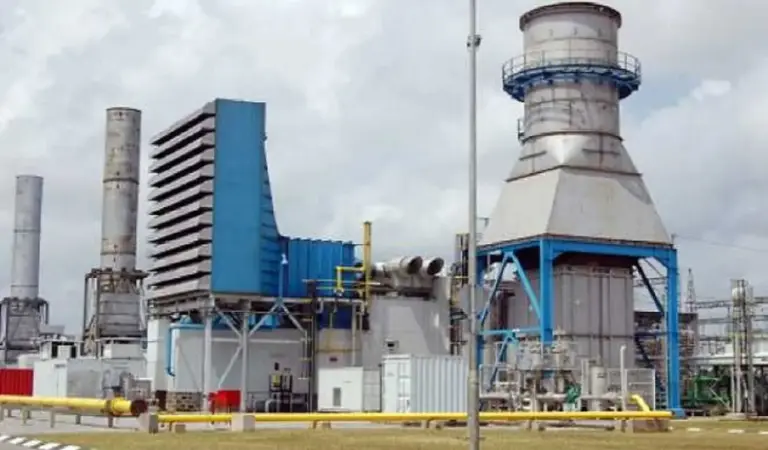
Yusuf said: “Government policy should continue to encourage domestic refining through a coordinated mix of trade policy, fiscal policy and monetary policy measures. “Priority areas should include ensuring reliable crude supply arrangements, strengthening petroleum distribution infrastructure, introducing tariff protection, encouraging additional refining investments, and promoting export competitiveness for refined petroleum products.
“While domestic refining may not completely eliminate the effects of global oil price volatility, it significantly reduces the risks of supply disruptions, conserves foreign exchange, strengthens the balance of trade, and enhances national energy security. In this regard, domestic refining represents a strategic pillar for improving Nigeria’s economic resilience and longterm energy sustainability.”
According to him, the recent adjustment in petroleum product prices in Nigeria reflects developments in the global energy market, particularly the sharp rise in crude oil prices triggered by escalating geopolitical tensions in the Middle East. The CPPE explained that crude oil is the most critical input in the production of refined petroleum products and accounts for the largest share of refinery production costs worldwide.
“In recent weeks, global crude oil prices surged from about $65 per barrel to over $100 per barrel, represent ing an increase of more than 50 percent within weeks. This development has pushed up the cost of refined petroleum products across global markets, including premium motor spirit (petrol), diesel, aviation fuel and liquefied petroleum gas (LPG).