
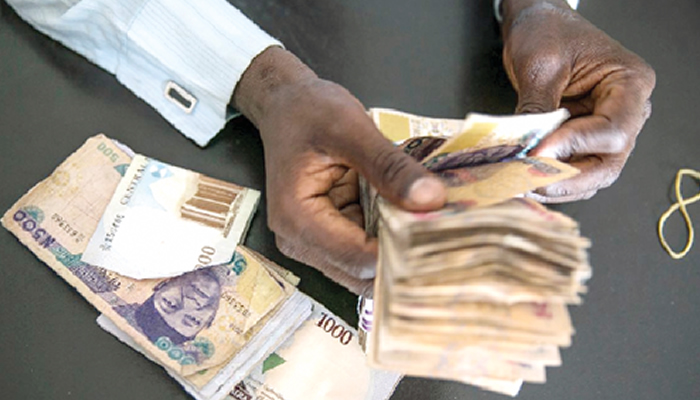
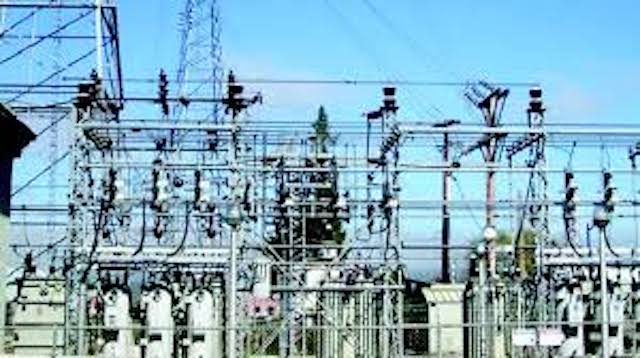
Nigeria’s electricity distribution companies recorded a combined revenue of about N2.33tn in 2025, despite persistent consumer complaints over poor service delivery, estimated billing, and frequent power outages across the country.
An analysis of monthly revenue data from the Nigerian Electricity Regulatory Commission showed that the 12 power distribution companies generated N2.325tn from electricity customers during the year.
The figure represents a significant rise compared to the about N1.8tn collected in 2024, indicating an increase of roughly N525bn, or about 29 per cent year-on-year growth.
The rise in collections comes at a time when many electricity consumers continue to complain about unreliable supply and increasing tariffs under Nigeria’s partially deregulated electricity market.
According to the regulator’s data, the distribution companies collectively earned N553.63bn in the first quarter of 2025. Revenue collections increased slightly in the second quarter, reaching N564.71bn, reflecting improved tariff enforcement and stronger billing by the utilities.
Monthly data for the second half of the year showed sustained high collections. In July 2025, the companies recorded revenue of N193.96bn, which declined slightly by N2.85bn, or about 1.5 per cent, to N191.11bn in August, according to the regulator’s factsheet.
Collections, however, rebounded in the following months. In September, revenue increased to N196.26bn, representing a N5.15bn rise, or about 2.7 per cent, compared to August.
The upward trend continued in October, when collections climbed to N210bn, marking an increase of N13.74bn, or roughly seven per cent, from September.
Revenue dipped marginally in November to N208.78bn, reflecting a decline of N1.22bn, or about 0.6 per cent, from October. By December, collections slipped further to N207bn, a drop of N1.78bn, or around 0.9 per cent, compared to November.
The data indicate that monthly electricity payments by consumers consistently hovered between N190bn and N210bn in the second half of the year. The commission also highlighted that December billing fell by four per cent compared to the N269.43bn billed in November.
Despite this, collection efficiency saw a marginal increase, rising to 80.22 per cent in December from 77.49 per cent the previous month. The factsheet further indicated that the total value of energy received by DisCos in December was N309.65bn, representing a 9.54 per cent decrease from N342.29bn in November.
According to NERC, Eko Electricity Distribution Company recorded the strongest revenue recovery performance at 99.45 per cent, reflecting near-full recovery of allowed revenues.
“Yola (87.89 per cent), Ikeja (85.32 per cent), and Abuja (84.43 per cent) also delivered strong recovery performance,” the commission said. “Benin (71.36 per cent), Ibadan (73.19 per cent), Enugu (73.50 per cent), and Port Harcourt (79.29 per cent) recorded moderate recovery levels.”
According to NERC, the figures provide a clear insight into how efficiently DisCos are billing, collecting and recovering revenue—key indicators for enhancing liquidity and improving service delivery across the Nigerian Electricity Supply Industry.
The rising revenue figures come despite widespread criticism of the distribution companies’ service quality. Many households and businesses across Nigeria continue to experience erratic electricity supply, frequent feeder outages, and disputes over estimated billing.
Consumer advocacy groups have repeatedly accused distribution companies of prioritising revenue collection while failing to make adequate investments in network upgrades and metering.
Under Nigeria’s power market structure, distribution companies serve as the final link in the electricity value chain, responsible for delivering power from the national grid to homes and businesses and collecting payments from consumers.
Analysts attribute the surge in revenue partly to tariff adjustments implemented in recent years, particularly the introduction of cost-reflective pricing for certain customer categories.
These reforms were designed to improve liquidity across the power sector, which has long struggled with revenue shortfalls affecting generation and transmission investments.
However, critics argue that the tariff increases have not translated into commensurate improvements in electricity supply. Nigeria’s electricity industry has faced persistent structural challenges since the privatisation of the sector in 2013.
While private investors acquired the distribution companies, the sector has struggled with infrastructure deficits, high technical losses, weak metering coverage, and liquidity constraints.
Power generation in the country often fluctuates between 3,000MW and 5,000MW, far below the estimated demand of more than 20,000MW for Africa’s most populous nation.
Frequent grid disturbances, gas supply shortages to power plants and ageing transmission infrastructure have further complicated the sector’s performance.
Despite these challenges, electricity payments from consumers continue to rise annually, raising concerns among stakeholders about the growing financial burden on households and businesses.
Energy experts say that unless improvements in power generation, transmission capacity and distribution networks occur simultaneously, increased revenue collections alone may not translate into better electricity supply for Nigerians.