
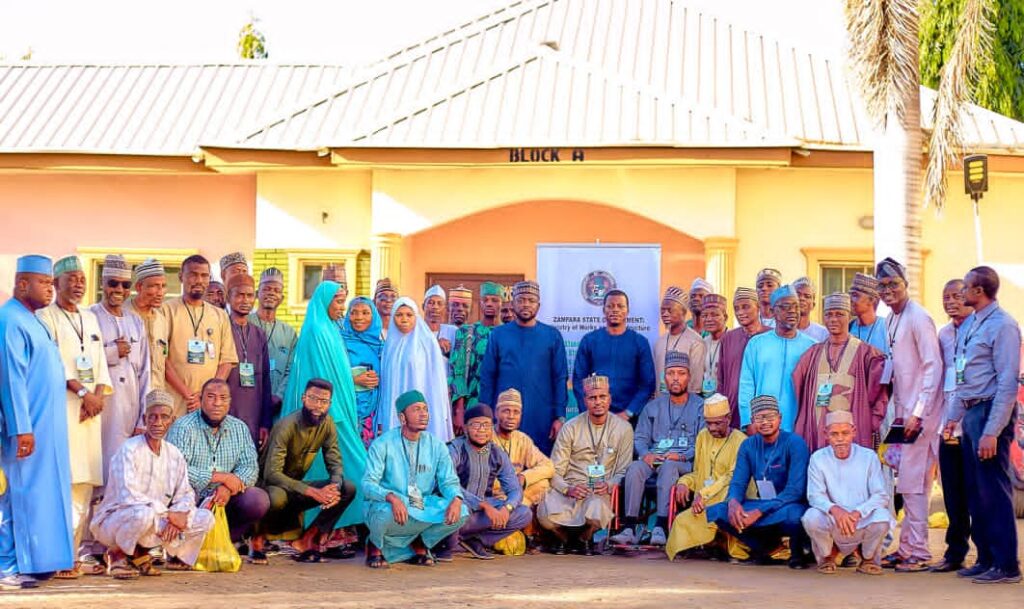
In an effort to improve energy access and strengthen the power sector, Zamfara State Ministry of Works and Infrastructure, under the leadership of the Honourable Commissioner, Hon. Lawal Barau, and represented by the Director of Mechanical, Engr. Sanusi Mande has convened a one-day stakeholders’ workshop to review and validate the Zamfara State Electricity Policy and Bill.
Welcoming participants to the workshop in Gusau on Saturday, Engr. Sanusi Mande expressed appreciation to all stakeholders for their commitment to strengthening the electricity sector in the state.
Mande noted that the workshop marks a significant milestone in the State Government’s efforts to develop a unified and progressive electricity framework, emphasising the importance of collaboration in addressing gaps within the power value chain and reaffirming the Ministry’s readiness to work closely with all relevant actors towards achieving sustainable energy solutions.
The workshop, organised in collaboration with the Zamfara State Electrification Agency (ZEA) and S2R Consulting, brought together key players in the electricity sector, including government officials, private-sector representatives, community leaders, legal experts, and technical specialists.
In his keynote address, the Executive Secretary of the Zamfara State Electrification Agency, Hon. Muzammil Muhammad, emphasized the importance of developing a strong and forward-looking policy framework that will guide the State toward a sustainable and reliable electricity ecosystem.
He noted that the State Government remains committed to creating an enabling environment that attracts investment and promotes efficient electricity generation, distribution, and management.
As part of the technical session, Mr. Lanre, an energy consultant from S2R Consulting delivered an insightful presentation on the overview of the Electricity Act 2023 and its Implications for Zamfara State, highlighting the new opportunities created by the Act, the expanded regulatory powers granted to states, and the strategic pathways Zamfara can adopt to strengthen electricity governance, improve market efficiency, and accelerate access to power across communities.
Hon. Muhammad further explained that the new electricity policy and bill are designed to align Zamfara with ongoing national power sector reforms, especially following the decentralisation of electricity regulation, which now empowers states to exercise greater authority in managing and improving electricity services.
Participants at the workshop commended the Ministry and its partners for spearheading such a timely and strategic initiative. They noted that improved electricity supply is essential for boosting economic activities, enhancing security, and improving the overall quality of life for residents of the State.
The workshop concluded with a collective commitment from stakeholders to support the State Government’s efforts in building a sustainable, reliable, and efficient electricity system that will drive industrial growth and economic transformation across Zamfara State.
In participation were the Regional Manager, Kaduna Electric, Yusuf Sabo Tsafe, Director Legal Drafting, Zamfara State House of Assembly, Directors from the Ministry of Works and Infrastructure, Directors from the Zamfara State Electrification Agency(ZEA), Stakeholders from relevant organisations such as NERC, KAEDCO, TCN, and other dignitaries across the sector.