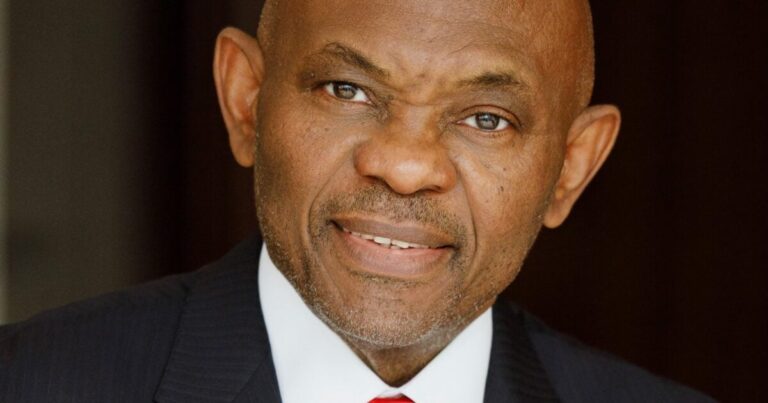



The Director of Youth Advocacy and Policy at the National Youth Council of Nigeria (NYCN) and the founder of the Corpers’ Journey Advocacy Network (CJAN), Ajayi Taiwo, has called for comprehensive structural reforms to address what he described as persistent fragmentation in Nigeria’s youth development architecture.
Ajayi said that although Nigeria operates a National Youth Policy and several youth-focused programmes across ministries, departments, and agencies, implementation remains largely uncoordinated and weakly aligned.
According to him, youth-related interventions are currently spread across institutions overseeing labour and employment, education, digital economy, agriculture, industry, and humanitarian affairs, often operating without harmonised budgeting systems, shared performance indicators, or a unified monitoring and evaluation framework.
“Nigeria does not lack youth initiatives,” Taiwo said. “What is missing is a coherent governance architecture that aligns targets, funding streams, and accountability mechanisms across sectors.”
Nigeria remains one of the world’s youngest countries, with more than half of its population under the age of 30. Taiwo argued that this demographic reality makes youth policy coherence an economic and national stability priority rather than a routine administrative matter.
He warned that without proper coordination, government programmes risk duplication, inefficient resource allocation, and limited long-term impact, particularly in critical areas such as job creation, entrepreneurship development, digital skills acquisition, civic engagement, and agricultural participation.
While acknowledging ongoing efforts under the National Youth Policy framework, the NYCN Director noted that the absence of a consolidated reporting system makes it difficult to accurately assess national progress on youth development outcomes.
He emphasised that youth development must transition from fragmented interventions to a systems-driven model capable of delivering measurable, transparent, and sustainable results.
Taiwo proposed the creation of a Unified National Youth Framework that would integrate youth-focused policies under a central coordination mechanism reporting at the highest levels of government. He explained that the framework would not replace existing initiatives but would ensure strategic alignment, reduce duplication, and strengthen accountability across federal and state levels.
He further recommended that youth-related expenditure across ministries be transparently tracked and subjected to annual impact assessments to ensure value for money. Institutionalising youth representation in policy formulation processes, he added, would enhance legitimacy and policy responsiveness.
“Youth development must move from isolated interventions to an integrated national strategy,” he said. “If properly coordinated, Nigeria’s youth population can drive economic growth, deepen democratic participation, and strengthen social cohesion. Without structural reform, however, we risk underutilising our greatest national asset.”
The NYCN, as the umbrella body representing youth organisations nationwide, continues to advocate for reforms aimed at improving policy coherence, strengthening youth participation, and promoting inclusive governance across the country.