
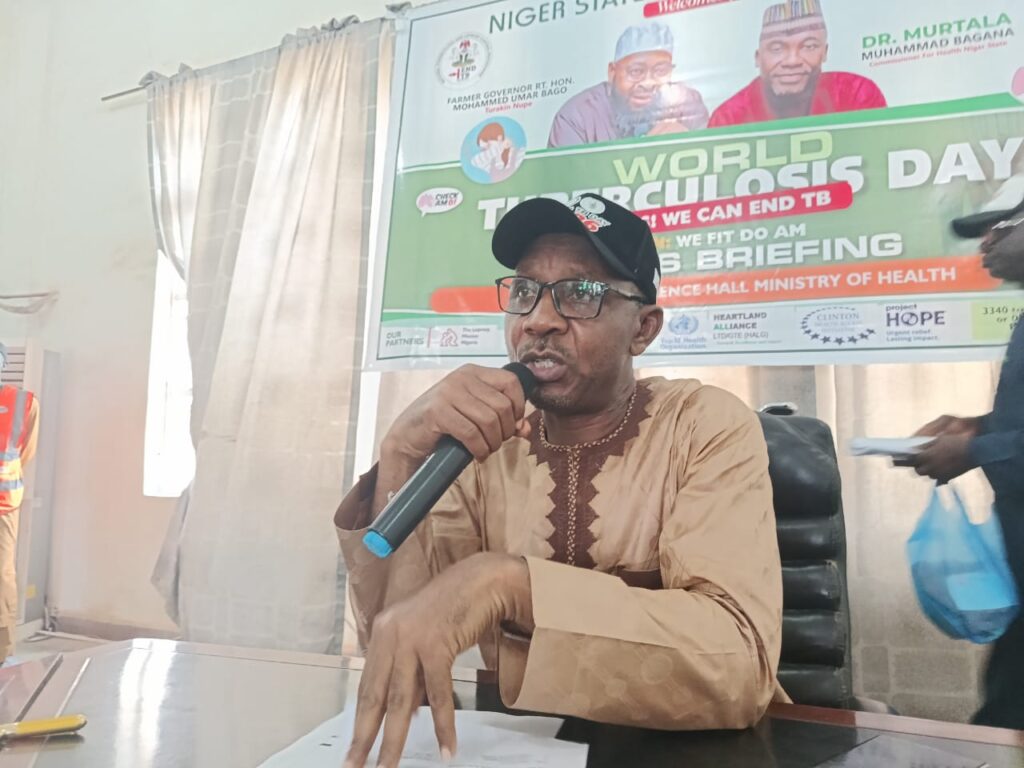
The World Health Organisation (WHO) has on Tuesday warned that if funds and commodities for tuberculosis are not provided by the Niger State government, there would be a serious crisis as from June this year.
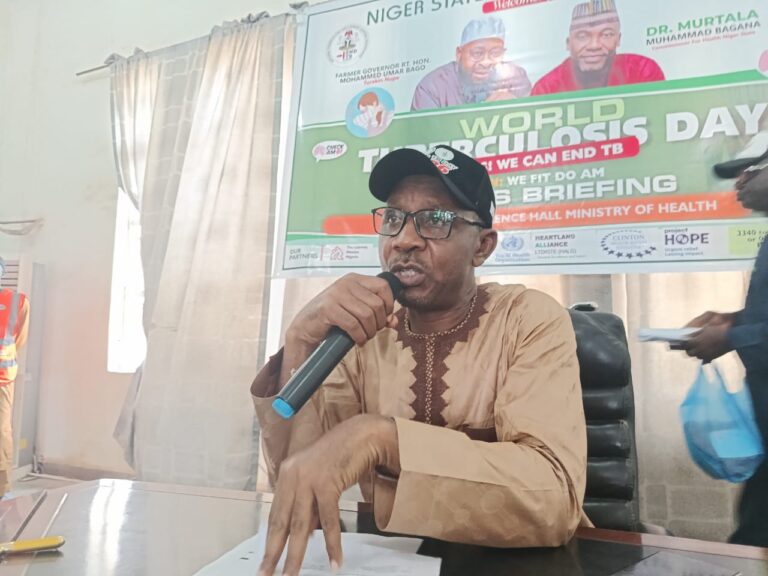
In his remarks during the Press briefing to commemorate the 2026 World Tuberculosis Day in Minna, the WHO National Professional Officer, TB, North Central Zone, Dr Hananiya Dauda, said only 8 per cent out of the 18 per cent of funds expected have been accessed.
According to Dauda, “if the State government don’t provide funds by mid this year, we might have a serious testing gap.
“By June, we may not have commodities in the state if they (State Government) fail to bring or provide funds for drugs and for testing”.
Earlier, the Niger state Commissioner for Health, Dr Murtala Bagana, while stating that TB is preventable, disclosed that the existing challenges threatening the progress towards the 2030 elimination target include: missing cases and reductions in international donor funding from 2025 onwards.
The Commissioner, who was represented by the Permanent Secretary, Dr Abdullahi Usman Imam, however, assured that the state government, through the TB and Leprosy Control Programme, is poised to move to a higher level to ensure the elimination of TB disease by the year 2030.
According to him, “Niger state data as at 2025, we have 127,410 total presumptive and 126,228 presumptive tested.
“The total case of TB identified is 14,908, out of which 8,629 were totally cured with the aid of our diagnostic tools, which include Genexpert Machine, Trunat Machine, T LAMP, PDX Machine”.
He added that the number of TB/HIV cases is 344, the number of DR-TB cases is 106, and the number of facilities being covered with TB services across the State is 560.
In his opening remarks, the Director of Public Health, Dr Ibrahim Idris, while saying the State has enough clinical workers, disclosed that the failure of immunisation (BCG) uptake for the newborn could be a reason for any further cases as from 2030.