


The Wiki Classroom Initiative, developed by African & Proud, is a digital literacy and open-knowledge programme funded by the Wikimedia Foundation and designed to introduce secondary school students to Wikipedia. has been launched across different states, including Lagos, Kano and Anambra.
Richard Edozie, co-founder of African & Proud the organisers, said the event’s second edition “brought together students from several schools and introduced them to sourcing reliable information, understanding notability, and contributing factual content to Wikipedia.”
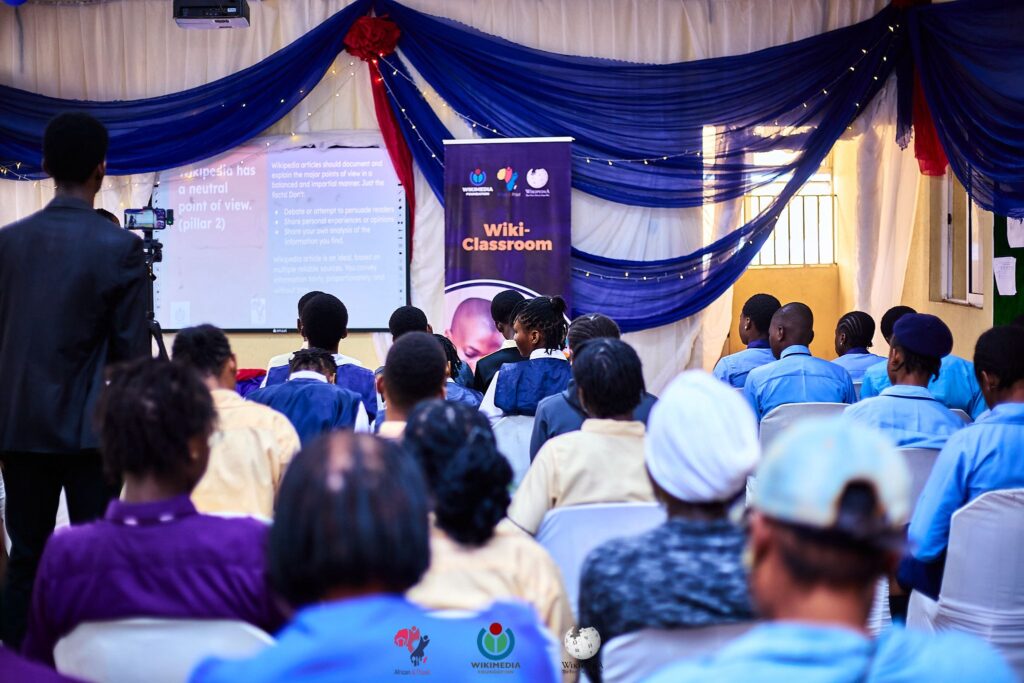
Selected students from five secondary schools in the Iju-Fagba area of Lagos — Barachel Model College, Providence Heights Secondary School, Imola Comprehensive College, Novel Light High School, and Excellent Leaders Secondary School – were gathered for a training targeted at equipping students with digital literacy, information verification, and contributing to the Wikipedia open source.
Speaking at the event, Kolawole Oyewole, Co-Founder of African and Proud, said the project was inspired by the need to empower young people to become not just consumers but creators of credible information.
“We are excited to have this Wiki Classroom in Lagos because our students are future leaders,” he said. “They need to know that not everything online is reliable, and they must learn how to identify and produce genuine information.”
Oyewole added that the initiative is also being extended to other states, including Anambra and Kano, to equip more young Nigerians with the skills to contribute meaningfully to global knowledge platforms.
Students from some of the schools expressed delight with the training. Orioke Timilehin, a 17-year-old SS3 student of Imola Comprehensive College, said the programme taught her the value of relying on verified information.
“Wikipedia is an online encyclopedia that is reliable. I will teach my classmates to use it because it helps us learn better,” she said.
For Carissa Eniola, a JSS3 student of Novel Light High School, the session opened her eyes to the vast opportunities technology offers. “There are things I didn’t imagine I could know until this programme,” she said. “I want more young people to embrace the internet positively because its benefits outweigh its negatives.”
Another participant, Alabi Temitope of Barachel Model College, described the training as an inspiration to spread knowledge.
“I want to impact others around the world and create more enlightenment, so people have different resources for credible information,” she stated.
Similarly, Gboyejo Opemipo, a student of Providence Heights Secondary School, said the programme expanded her understanding of how Wikipedia works.
The president of the Wikimedia Foundation in Nigeria, Ambassador Olushola Olaniyan, who attended the WikiClassroom, added that the students should not just write but ensure they understand what notable, public recognition, and published content is in independent, reliable sources.
Project Coordinator for Wiki Classroom in Lagos, Kemi Makinde Ogunseitan, said the programme is a timely intervention in an era dominated by social media.
“We want students to contribute, not just consume information,” she explained.
Director of Programs for Wikimedia Nigeria, Ayokanmi Oyoyemi, emphasised the importance of engaging young people early.
“Wikimedia programmes often focus on adults, but this initiative invests in the future,” he said.
The Wiki Classroom Initiative aims to expand digital literacy, promote critical thinking, and nurture the next generation of Nigerian contributors in the global open-knowledge ecosystem.









