
UNICEF has praised Jigawa State as the first in Nigeria to achieve open defecation-free status, citing the state’s efforts to improve hygiene and sanitation in schools.
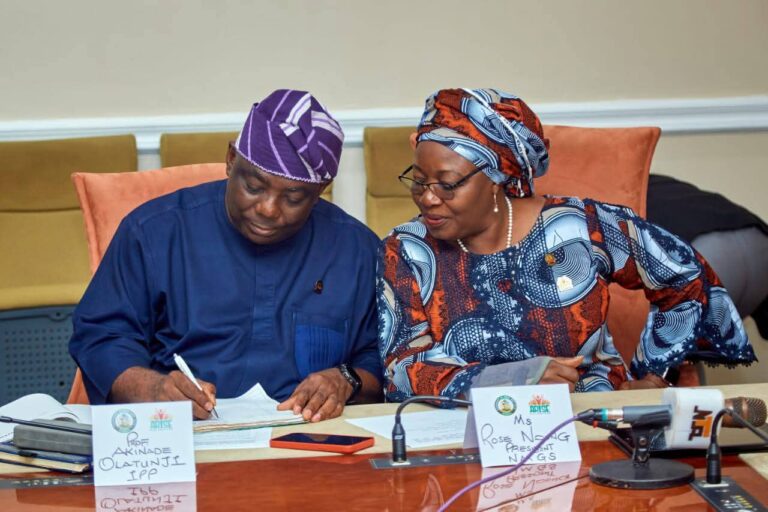
Speaking at a two-day media workshop on WASH, Hygiene, and Clean Environment programme for Primary Schools in Dutse, Jigawa State, Susan Akila, Officer in Charge of Communication and Partnership at UNICEF Nigeria, said,
“Their follow-up supervision on WASH hygiene programs shows that Jigawa State has taken the initiative with all seriousness.”
Akila noted that while Nigeria has only achieved 11 per cent of its hygiene and clean environment targets for schools, with some states scoring as low as 6 per cent, Jigawa State has made significant strides.
“Simple things like having WASH facilities with soap, running water, a clean environment, and separate toilets for girls can make a difference in keeping girls in school,” she said.
Akila commended the Jigawa State Government for its efforts, saying, “UNICEF is working with the Jigawa State Government to ensure that healthrelated issues in schools are addressed, and I can confidently say they are doing an excellent job.”
However, she also emphasised that there is still room for improvement, particularly in schools with inadequate WASH facilities. Professor Haruna Musa, Chairman of Jigawa State SUBEB, explained that the state’s investments in education aim to improve learning outcomes.
“Issues surrounding basic education today are numerous, but WASH facilities and hygiene are crucial,” he said. Musa noted that Jigawa State has 2,727 primary schools and 618 junior secondary schools, with 8,689 toilets, 6,585 of which are in primary schools.