


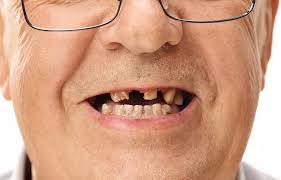
Tooth loss may do more than make eating difficult; it could also accelerate memory decline, according to a new study from Hiroshima University.
Researchers found that ageing mice missing their molars experienced measurable cognitive decline even when their nutrition remained adequate. The findings, published in Archives of Oral Biology, shed light on the direct neurological impact of tooth loss—separate from dietary deficiencies often associated with ageing.
“Tooth loss is common in ageing populations, yet its direct neurological impact has remained unclear,” said Rie Hatakeyama, a postdoctoral researcher at Hiroshima University’s Graduate School of Biomedical and Health Sciences and the study’s first author.
“Our study examines whether tooth loss itself, independent of nutritional deficiency such as a low-protein diet, can cause cognitive decline.” To investigate the combined effects of chewing ability and nutrition, the researchers used ageing-prone male mice divided into four groups.