
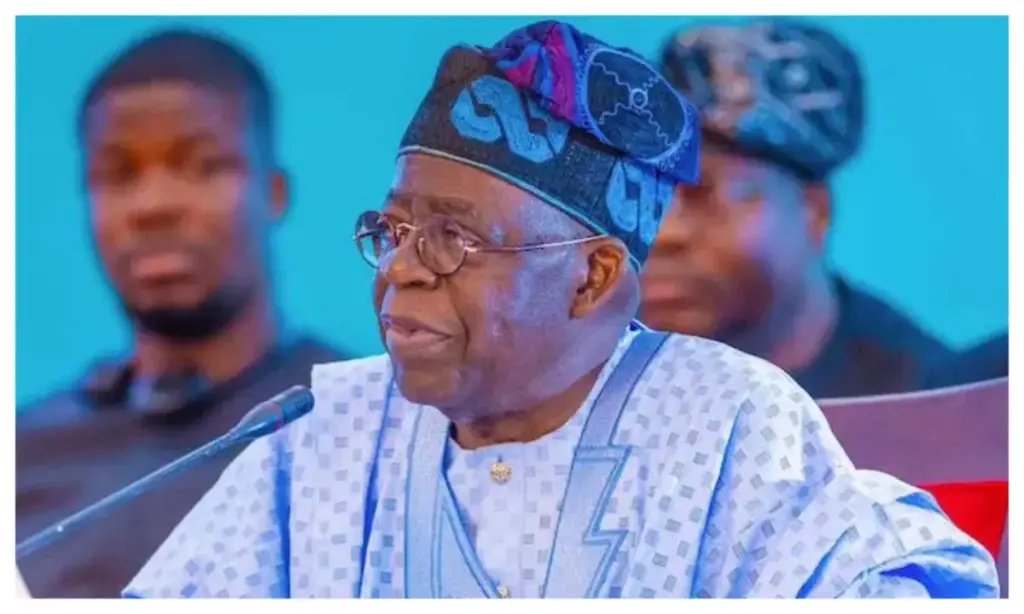
Barring the last minute change, there are political signals that President Bola Ahmed Tinubu may be quietly evaluating four prominent northern Christian figures as potential running mates ahead of the 2027 presidential election.
Media reports across print, broadcast and digital platforms have consistently mentioned former Speaker of the House of Representatives, Yakubu Dogara; Minister of Defence, Lt.-Gen. Christopher Musa (retd.); Plateau State Governor, Caleb Mutfwang; and the Catholic Bishop of Sokoto Diocese, Most Rev. Matthew Hassan Kukah, as names gaining serious consideration within the ruling All Progressives Congress (APC).
Sources suggest that deliberations within the President’s inner circle are part of a broader strategy aimed at achieving religious and regional balance, with all four potential candidates hailing from predominantly Christian areas of northern Nigeria.
Political analysts point out that Tinubu, as the APC’s flagbearer, has the constitutional latitude to choose a running mate from any part of the country, as stipulated by the 1999 Constitution.
READ ALSO:
The renewed discussions come amid lingering criticism of the Muslim–Muslim ticket adopted during the 2023 elections, which attracted scrutiny both domestically and internationally, including comments from United States officials advocating for greater inclusivity in Nigeria’s federal leadership.
Christian groups, civil society organisations and community leaders have repeatedly raised concerns about insecurity in northern Christian communities, arguing that more balanced political representation could strengthen national cohesion.
Conversely, northern Muslim groups maintain that insecurity affects all residents of the region, regardless of faith, citing Boko Haram and ISWAP insurgency, banditry and widespread kidnappings as challenges confronting both Muslims and Christians alike.
As debates continue, political observers are questioning which of the four figures—Dogara, Musa, Mutfwang or Kukah—possesses the broad appeal and unifying vision needed to promote peace and shared prosperity across the country.
Beyond considerations of religion and ethnicity, analysts emphasise that Nigeria’s future leadership must focus on national stability, economic development and equitable governance across all six geopolitical zones and 774 local government areas.
With 2027 drawing closer, expectations are that discussions surrounding Tinubu’s potential running mate will intensify, shaping political alignments within the APC and the wider political landscape.