
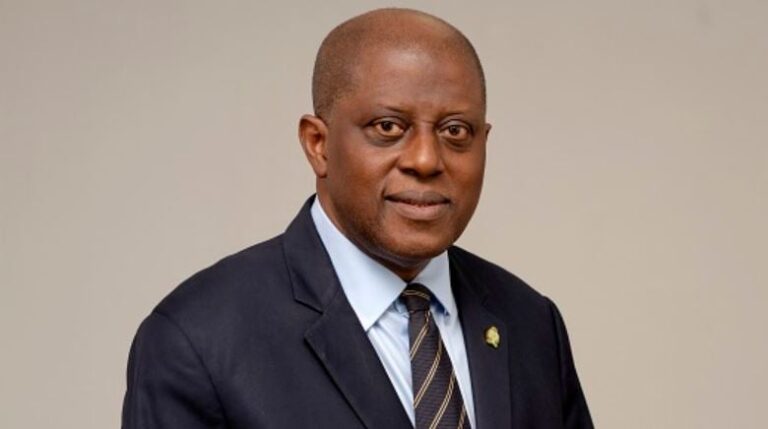


In a move highlighting his commitment to using technology for social good, Nigerian-born tech innovator Hanu Agbodjie has donated AI-powered smart glasses to hearing-impaired Nigerians, as part of efforts to expand access to opportunities and promote social inclusion for persons living with disabilities.
The first beneficiaries of the initiative are Joylyn Oge Jacobson, a Lagos-based video production assistant and content creator, and Sodiq Olopade, a student of Bayero University, Kano. They received the innovative devices in Lagos in the presence of their relatives, according to a statement.
The AI-powered smart glasses are designed to assist people with hearing impairment by capturing spoken conversations and surrounding sounds within a 270-degree range. The device transcribes speech in real time into readable text displayed directly on the lenses, enabling users to follow conversations without relying on sign language interpreters or lip-reading.
Built with an ergonomic and lightweight design, the smart glasses are intended for comfortable all-day use. They operate through Bluetooth connectivity and are supported by a mobile application that allows users to customise settings and receive software updates.
Speaking on the initiative, Agbodjie said the donation represents more than the distribution of devices, stressing that it reflects what technology should accomplish in society.
“Today represents what’s possible when technology meets purpose. We are entering a world of accelerated growth with AI, and I believe there has never been a better time than today to build a world where disability is no longer a permanent sentence; a future where limitations are not defined by the body or circumstances you are born with, but by how bold we are in building solutions with today’s technology.
“I believe technology should give people a second chance at living freely and fully. I believe technology can restore dignity, independence, and access to possibilities. Today, that future starts with Joylyn and Sodiq.”
For Joylyn, who works behind the scenes in the creative industry, the inability to hear clearly has often made routine interactions stressful and isolating.
“I miss out on instructions, jokes, and even simple interactions at work because I can’t always hear clearly. It’s been truly difficult, especially with my clients and in relationships. But with these glasses, I can actually see conversations happening around me. This changes how I work, how I relate with people, and how confident I feel. I’m so happy,” she said.
Sodiq, who is studying at Bayero University, Kano, also described the device as transformative for his academic and social life.
“As a student, not hearing clearly affects lectures, group discussions, and friendships. These glasses make me feel included again. I can follow conversations without embarrassment or dependence on others. It’s going to help very much. It will make communication much better,” he said.
Family members of the beneficiaries expressed optimism, noting the emotional and social burden often associated with hearing impairment.
“We have watched Joylyn struggle silently for years, withdrawing more inward and away from socialising. This is more than a device; it is freedom and confidence returning to her life,” said Christiana, Joylyn’s cousin.
A medical professional also endorsed the innovation. Dr. James Nnowaluem, who coordinated the outreach exercise, described the AI-powered glasses as a major advancement in assistive technology.
“Hearing loss is not just a medical condition; it affects mental health, productivity, and social belonging. This device will bridge the communication gap in real time and significantly improve quality of life,” he said.