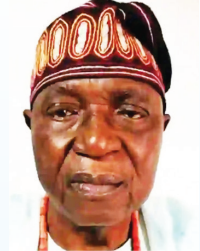

The Principal of the Bayelsa State School for Children with Special Needs, Mrs. Ebiere Custom, has appealed to the Bayelsa State Government to extend the school to all eight local government areas of the state to give children with special needs in rural communities access to quality and modern education.
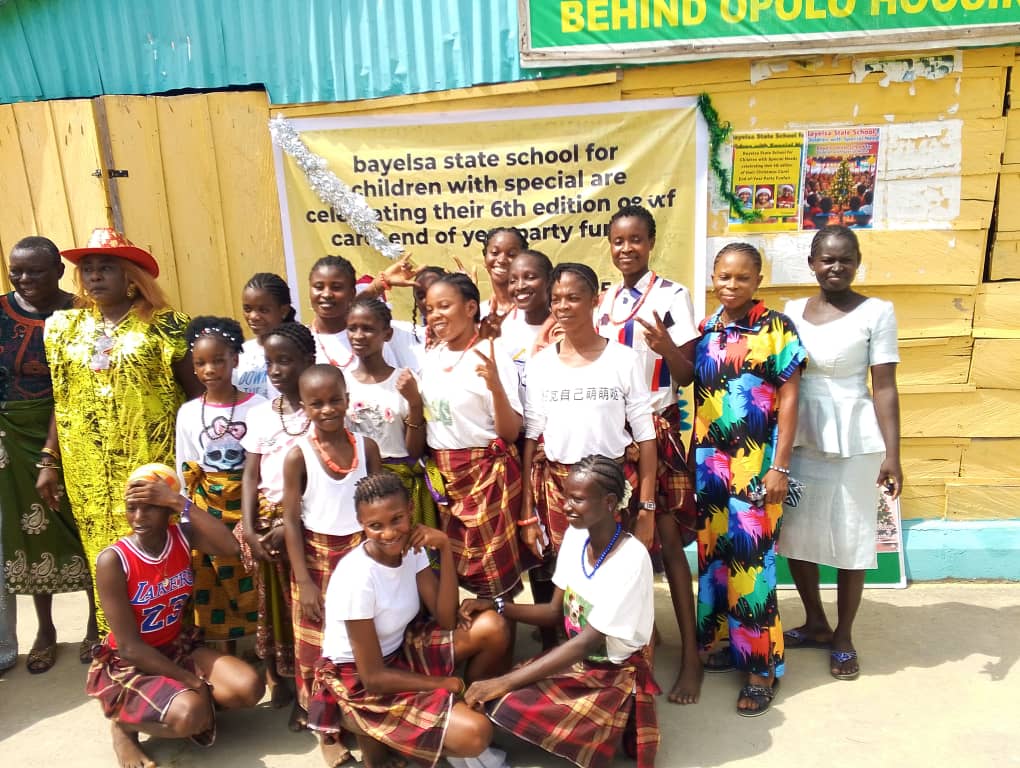
Custom made the call on Thursday during the school’s annual Carol and Christmas Party held at the school premises in Yenagoa. She said the expansion would help children with disabilities develop a sense of belonging and inclusion in society.
She also urged the state government to provide employment opportunities for graduates with special needs who have completed higher education, noting that such individuals can be assigned manageable duties with reduced working hours.
Commending the Bayelsa State Government for prioritising the welfare of children with special needs, the principal expressed gratitude for the training of teachers specially equipped to handle their unique educational requirements.
According to her, children with special needs can successfully pursue education in conventional universities across the country. She disclosed that some former students of the school are currently studying courses of their choice at the University of Calabar.
Custom further appealed for the provision of additional buses to ease transportation challenges faced by students and called for the construction of a boarding facility for the school.
She advised parents to bring their children with disabilities to the school, stressing that disability is not linked to witchcraft, a misconception she said still persists among some families.
“We are appealing to the state government to extend this school to the eight local government areas and to build a boarding house for these children. Some of our students here have already graduated from the University of Calabar, where they studied Special Education,” she said.
She explained that visually impaired students are taught using Braille and other assistive learning methods, while hearing-impaired students are educated through sign language, even in non-specialised universities.
“Government has done a lot. New teachers trained at Ignatius Ajuru University were employed to handle these children professionally. However, we need more buses because the number of children keeps increasing,” she added.
Custom lamented that some parents still hide children with disabilities at home, wrongly believing they are useless.
“These children are unique and talented. As you can see, they are playing games, dancing, and participating actively. They are not useless,” she said.
She also highlighted the school’s vocational skill acquisition programmes supported by the Education Development Trust Fund (EDTF) through the Commissioner for Education and the Bayelsa State Governor, explaining that students who may not cope academically are trained in practical skills to become self-reliant.
“Not all of them will fit into the university system due to behavioural challenges, but when they acquire skills, they can build their own lives. Government can also employ those who have graduated and give them small, manageable jobs,” she added.
The principal disclosed that the school currently has 143 students across Primary 1–6, Junior Secondary School (JSS) 1–3, and Senior Secondary School (SS) 1–3. She noted that students sit for the West African Senior School Certificate Examination (WASSCE) within the school, with the Bayelsa State Government fully funding their education.
She said the school is tuition-free and that students are well catered for, with food supplies provided through the EDTF.
Custom explained that specialised teachers attend to students based on their specific needs, including those with intellectual disabilities, behavioural disorders, and visual impairments.
“You need patience, passion, care, and endurance to work with these children. With proper training, commitment, and prayers, you can bring out the best in them,” she said.
The highlight of the celebration included games, cultural dances, cake-cutting, and other recreational activities performed by the children.