

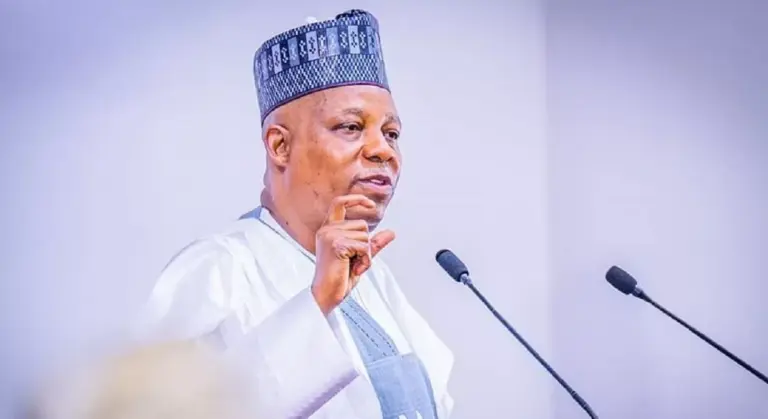
The Sokoto State Commissioner for Innovation and Digital Economy, Bashir Ummarun Kwabo, has underscored the need for digital literacy training for religious clerics as a critical tool for combating misinformation and promoting peace and national unity.
Kwabo warned that the growing misuse of artificial intelligence, deepfakes, and social media misinformation poses a serious threat to societal harmony.
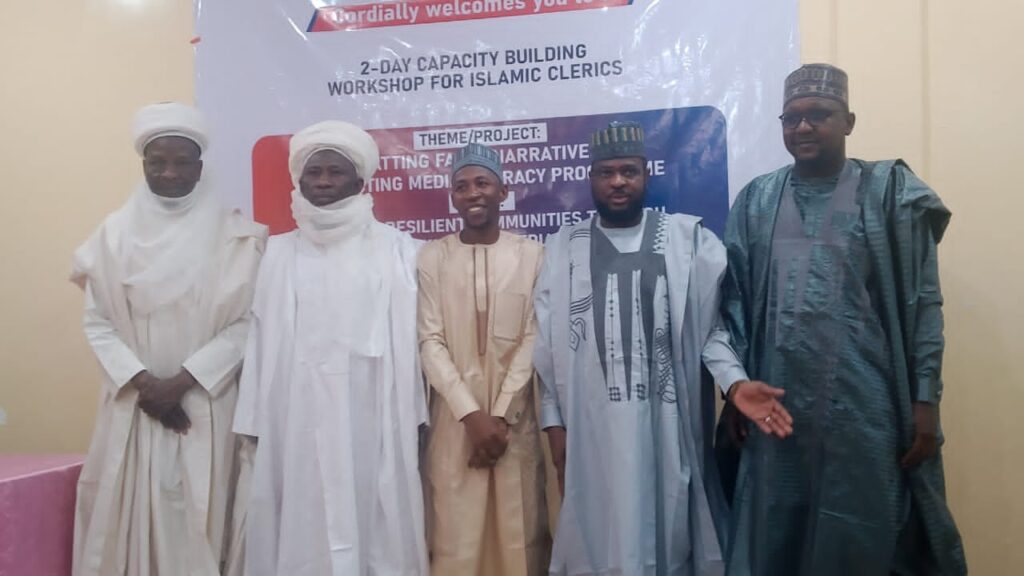
He made this known at a two-day workshop titled “Combating False Narratives and Promoting Media Literacy,” organised by Alkalanci in collaboration with the Sokoto State Ministry of Religious Affairs.
According to him, targeted digital literacy training for clerics remains one of the most effective responses to the spread of false narratives, given their influence within communities. He stressed the need for proactive measures, noting that digital literacy is central to countering misinformation and fostering peace and unity.
Kwabo explained that the training was designed to help clerics understand how artificial intelligence tools—such as deepfake videos, manipulated audio clips, and AI-generated images—are being deployed to spread falsehoods.
He also highlighted the ministry’s broader efforts to reduce online tension in Sokoto State through sensitisation programmes, digital awareness campaigns, and regulatory frameworks addressing cyberbullying, cyberstalking, and other forms of online abuse.
Kwabo added that the collaboration with the Ministry of Religious Affairs and Alkalanci demonstrates the Sokoto State Government’s commitment to addressing security and peace-building challenges beyond physical infrastructure.
Also speaking, the Commissioner for Religious Affairs, Associate Professor Jabir Mai Hula, said the programme was aimed at countering false narratives, improving media literacy, and de-radicalising harmful interpretations through education and engagement.
“When clerics are enlightened and equipped with the right tools, they begin to contextualise their knowledge with contemporary realities. This helps in de-radicalisation and promotes peaceful coexistence,” he said.
The training brought together Islamic scholars from Sokoto State and neighbouring Niger Republic, focusing on identifying misinformation, understanding AI-driven deception, and promoting responsible communication among religious leaders.
The Sultan of Sokoto and President-General of the Nigerian Supreme Council for Islamic Affairs (NSCIA), Muhammad Sa’ad Abubakar III, urged Nigerians—particularly media practitioners—to be cautious of misinformation and disinformation.
Represented by the Sarkin Malaman Sokoto, Ahmad Umar Helele, the Sultan emphasised the importance of caution, objectivity, and national interest in daily engagements.
In his opening remarks, Alhassan Bala, Editor of Alkalanci, described the workshop as timely, especially as Nigeria approaches an election year, which often witnesses a surge in misinformation and disinformation.
He highlighted the growing role of foreign information manipulation and interference, as well as the increasing sophistication of AI-generated content, in spreading falsehoods.
The workshop aimed to equip clerics with the knowledge to understand how false information is created and disseminated, and how they can safeguard their reputations and communities from being misled.