
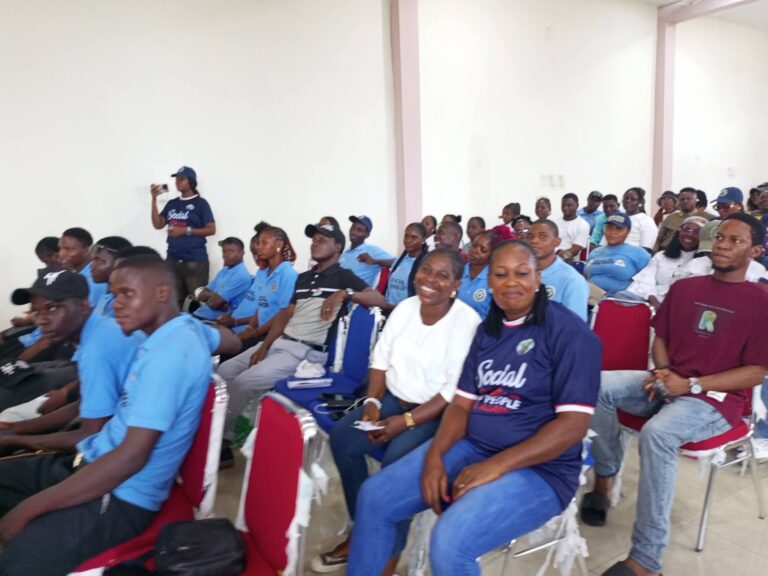
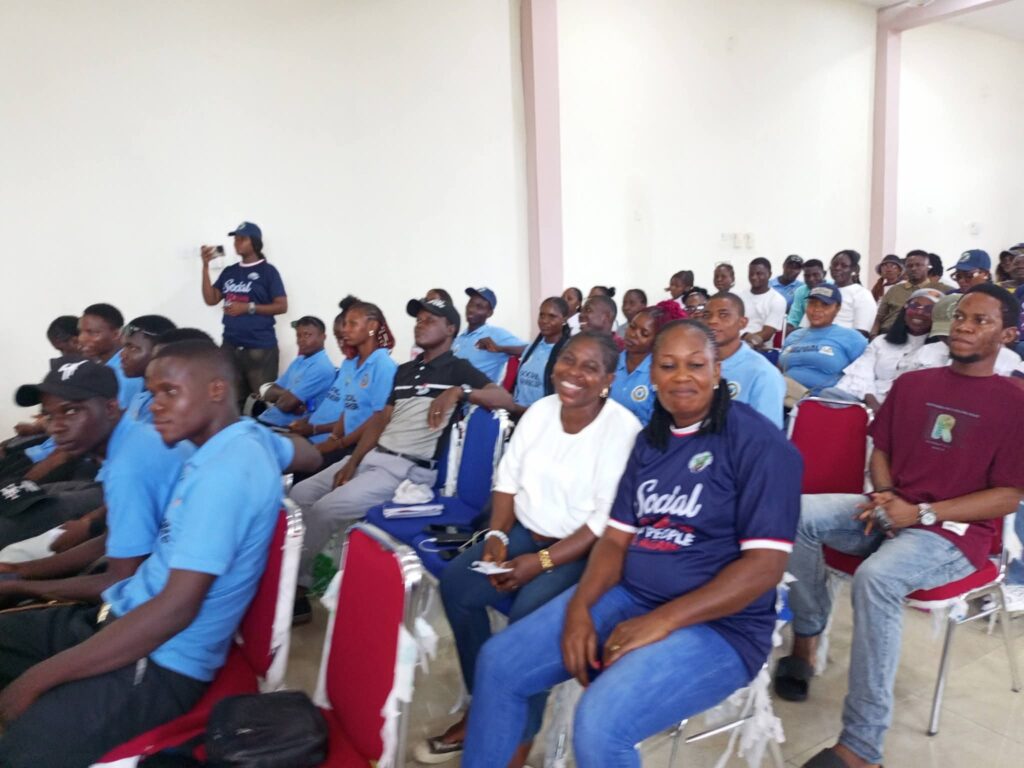
As Social workers across the globe mark Social Workers Day, Lilian Nkiruka Obah, Chairperson of the Bayelsa State Chapter of the Nigeria Association of Social Workers, has highlighted the role social workers play in advocacy and community development.
She noted that social workers actively engage in fostering trust within communities through their work, stating that they help address deeply rooted societal challenges and promote cohesion.
Speaking on Tuesday in Yenagoa during this year’s celebration of NASOW Day, Obah maintained that
This year’s theme, “Co-building hope and Harmony: a Harambee call for uniting a divided society,” underscores the importance of collaboration in building stronger and more unified communities.
She emphasised the need to leverage one another’s strengths, disclosing that meaningful progress is achieved through shared responsibility.
She said: Nigeria, with its rich diversity and cultural vibrancy, faces numerous social challenges, including poverty, youth unemployment, gender based violence and limited access to essential services.
“These issues place significant demands on social workers who remain committed to advocating for vulnerable populations despite limited resources, heavy workloads, and minimal recognition.
“Yet, even under such conditions, social workers stand as pillars of hope. They counsel families in crisis, protect children, empower women and youth, support persons with disabilities, and champion social justice and human dignity.”
In his keynote address, Professor Raimi Lasisi, a Professor of Development Sociology at the Federal University, Otuoke, identified inherited structural and historical challenges from the colonial era as bringing division, stressing that there is a need to build transgenerational rational legacies for social cohesion and peace building.
He maintained that Social workers in Nigeria have continued to face loads of challenges, many of which are both structural and historical in nature.
“These challenges mirror those faced by numerous professional bodies in the country, but are particularly pronounced within the field of social work. One of the most pressing issues is the lack of institutional support required for social workers to thrive as a professional body, when compared with countries such as the United States, the United Kingdom, and Canada.
“The disparity becomes even more evident. In these countries, there is strong political will and structured backing for social work. In Nigeria, however, such support remains largely absent.
“Funding is another persistent obstacle. Like many professions in the country, social work suffers from inadequate financial investment, yet beyond structural and financial issues lies a deeper challenge. Many Nigerians still lack a clear understanding of the role of social workers, often undervaluing their contributions compared to other professions, particularly in the social sciences.” He narrated.
He disclosed that the failure of successive leaderships to adequately address this inherited disunity has allowed it to persist even at local levels, adding that ethnic sentiments often influence public perception and acceptance of leadership, reinforcing fragmentation.
According to Lasisi, these structural and institutional divides, though not originally inherent to Nigerians, have endured over time and continue to hinder collective progress.
“Despite these challenges, the role of social workers remains indispensable. While they may not provide medical treatment in the conventional sense, they offer critical psychological and emotional support.
“Their work addresses the social and institutional pressures that affect individuals, families and communities. Their importance in addressing social problems cannot be overestimated.”
Also speaking, Fabiawari Dagogo, National Programme Officer of the group, called for a collective response to societal challenges, urging professionals, policymakers, community leaders and citizens to work together towards a shared vision of progress.
Dagogo said the philosophy behind the Ki-Swahili concept of Harambee was for people to unite to solve societal challenges.
She maintained that the keeping of societal values is not the responsibility of one group, adding, “whether one is a social worker, teacher, volunteer, faith leader or health professional, everyone has a role to play in fostering community well-being.
The Bayelsa State Commissioner for Youth Development. Mr Alfred Kemepado, while commending the professionals for their commitment, emphasised the need for stakeholders to unite and build a better and more humane society.
He promised to partner with the group in making sure that they achieve their aims and objectives.