
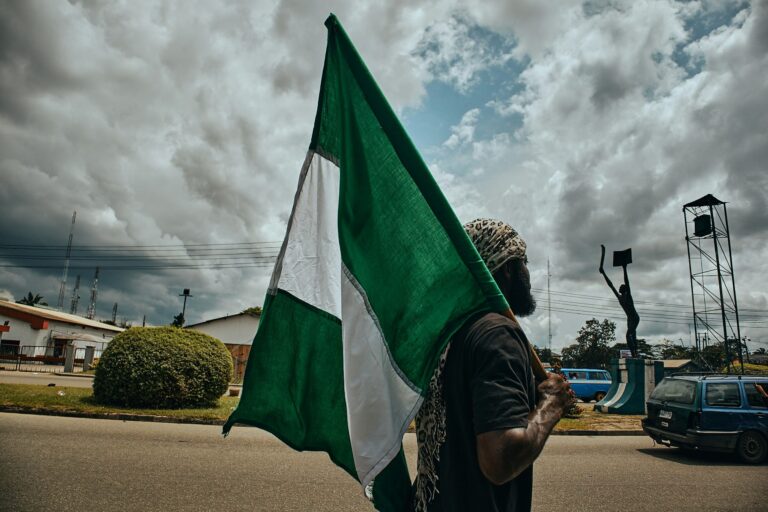
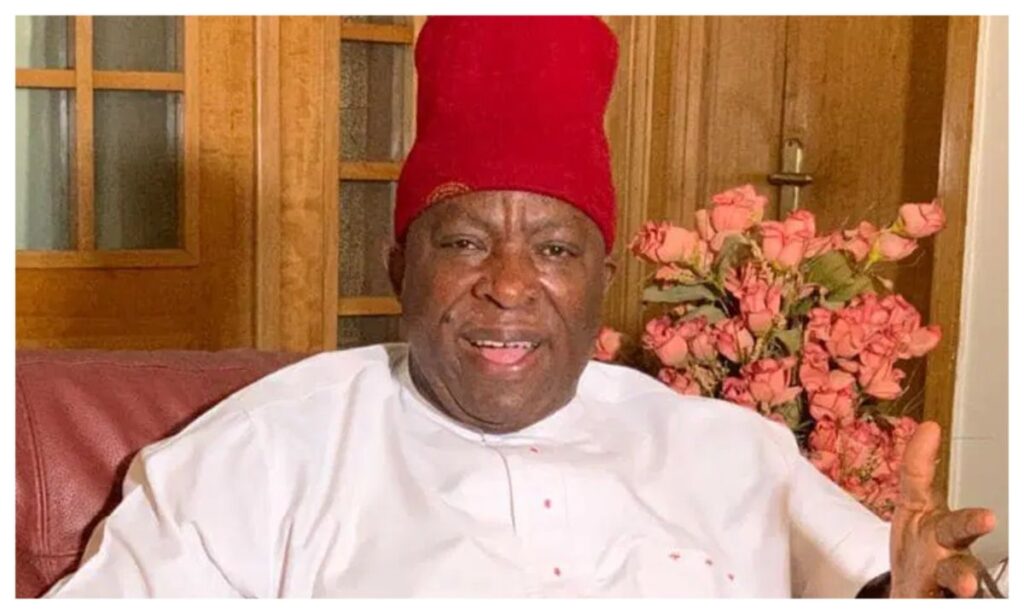
The Senator representing Anambra Central Senatorial District, Senator Victor Umeh, has attributed the degeneration of agitation for the Biafra nation into violent conflicts to mishandling of the situation by the Federal Government.
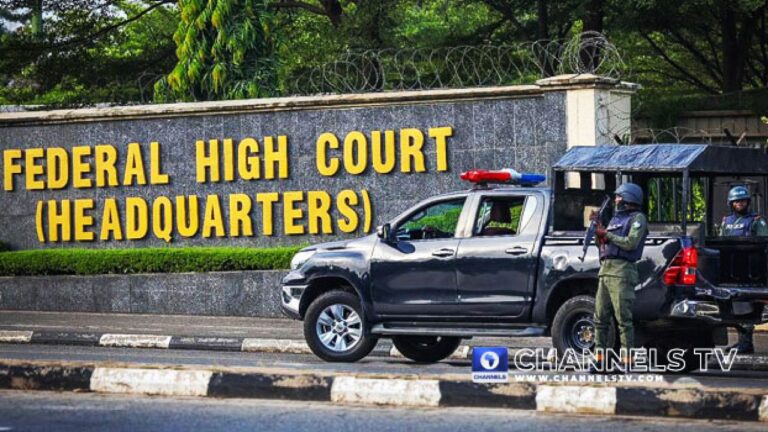
Reacting to the conviction and sentencing to life imprisonment of Mazi Nnamdi Kanu, the leader of the Indigenous People of Biafra, IPOB, by Justice James Omotosho, Umeh said that contrary to insinuations, Igbo leaders, including the South East senate caucus, severally intervened and pleaded with the Federal Government for a political solution to resolving the impasse, but all to no avail.
He stated that right from the beginning of the agitation, the attitude of the Federal Government and that of its security agencies was to use the force of arms to quell the agitation instead of dialogue. Umeh stated that in one of the protests staged by the youths in South East in 2016 at Nkpor, in Onitsha Anambra State, to call attention to the marginalisation of the region in the affairs of the governance of Nigeria, the military fired live bullets on the protesters and killing several of them.
He noted that when he granted an interview on radio to condemn the action of the authorities because according to him, protest is a legitimate exercise in a democracy, he was arrested and ferried to Abuja by the Department of State Security, DSS, and subjected to several hours of interrogation.
Umeh, however, recalled that he stood his ground and was able to convince the then Director General of DSS, Alhaji Lawan Daura, that the best approach was dialogue, a development that made two of them friends until he was removed as DG DSS. “So but progressively, the government failed to toe this line that I suggested to them and things continued to worsen.
Instead of using dialogue and discussions with relevant people, they levied war on the youths. “So, I will say that the government mismanaged the problem. And that led us to where we are. Check from 2016 till now, it’s nine years and consistent with my views, both on television, including the senate, in 2018, recall that when the issue of the IPOB started escalating, the Federal Government went to court and proscribed the IPOB.
“In one of the plenary sessions at the senate, I stood up and asked a question, ‘where in the world have you seen the use of court order to proscribe the grievances of a people where it has worked’? If somebody is not happy, you order him to be happy with a court order, will that person be happy?
“When the problem he is complaining about is still there. So that use of court order to proscribe this organisation will not lead anywhere. The best thing for the government to do is to call them together and advise them too and tell them that this is what they should be doing.
This is what they should be doing. The government will do this, and the government will do that. “That was the approach I expected, but they didn’t listen, they continued. Consistently, I maintained my view that court order, court action will not solve the problem of IPOB. Rather, it will be a positive action of the government directed at their complaints of marginalisation.
And the government did not read it correctly because they were looking at Nnamdi Kanu as a problem.” Umeh, who believed that a political solution was still the best option, insisted that Nnamdi Kanu wasn’t the problem, noting that it was a collective problem of the people of the South East.









