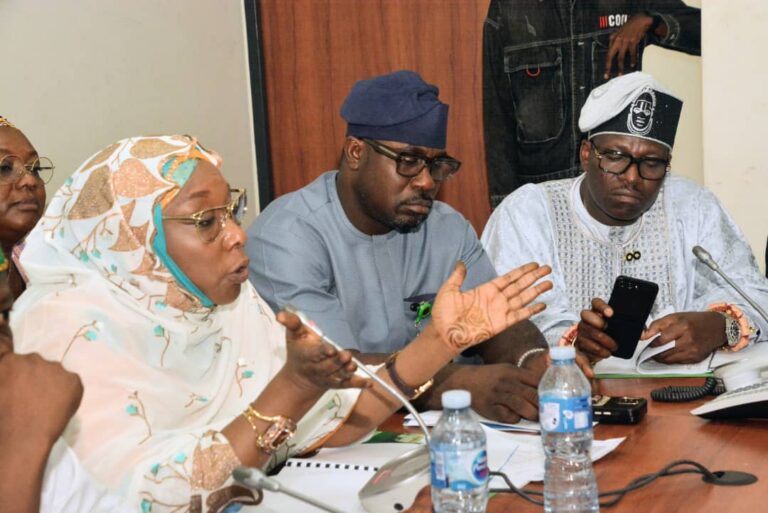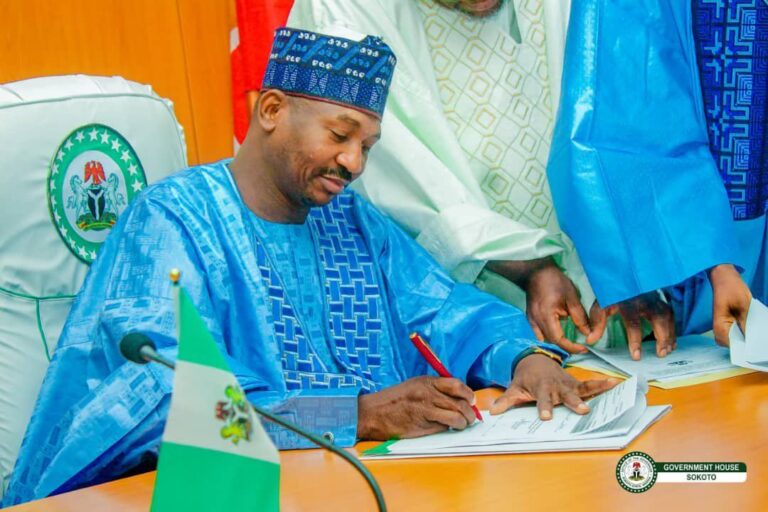
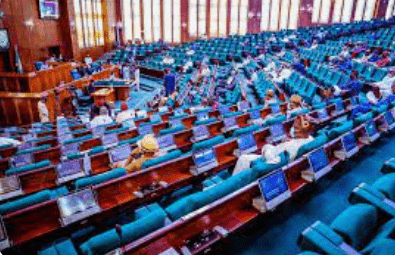
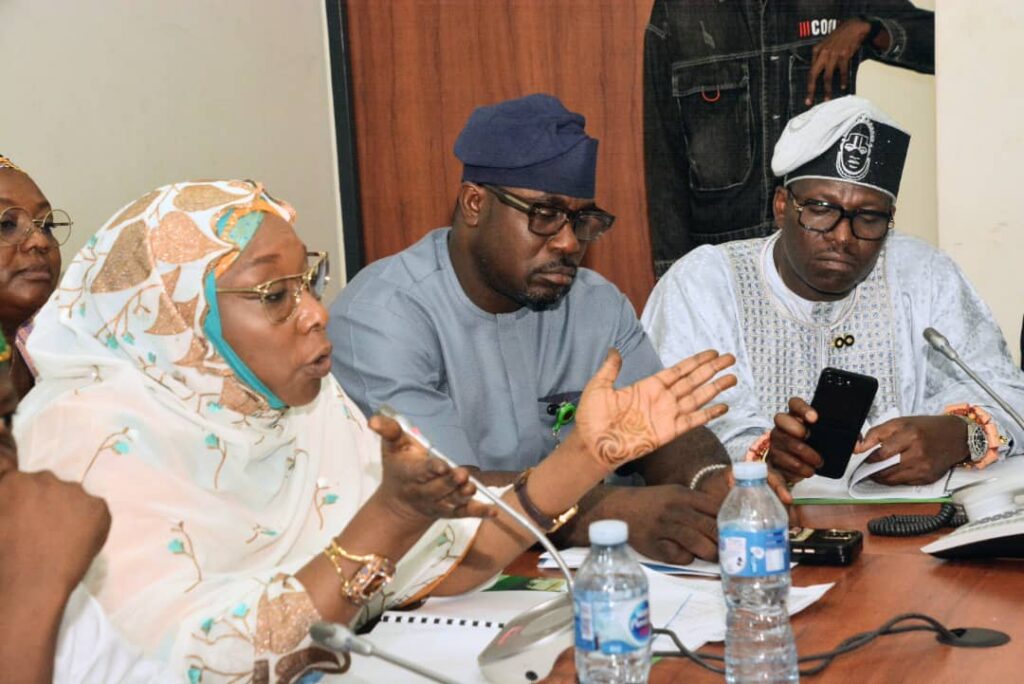
The House of Representatives Committee on Maritime Safety, Education and Administration and the Nigerian Maritime Administration and Safety Agency (NIMASA) have agreed to work for improved accountability in the agency’s 2026 budget proposals.
Chairman of the Committee, Hon. Khadija Abba-Ibrahim, at a budget defence with the agency on Tuesday, said heads of agencies must take direct responsibility for their plans, projections, and performance.
By the figures presented, NIMASA projects gross revenue of about N724 billion in 2026, with spending plans covering recurrent costs, capital projects, maritime security operations, seafarers’ development, and key infrastructure upgrades.
She emphasised that the exercise goes beyond routine oversight, describing it as a critical accountability test, particularly for lawmakers engaging the maritime agencies for the first time.
While acknowledging the strategic importance of the Nigerian Maritime Administration and Safety Agency in safeguarding Nigeria’s territorial waters and facilitating maritime trade, Abba-Ibrahim stressed that commendation must be backed by measurable outcomes.
“This session is an opportunity for the agency to clearly articulate its 2026 roadmap and address pressing concerns—ranging from maritime insecurity to capacity development and operational efficiency,” she said.
The committee demanded comprehensive and data-driven submissions, including details on maritime safety programmes, human capital development, revenue optimisation strategies, and the status of ongoing and proposed capital projects.
Describing the maritime sector as a cornerstone of Nigeria’s economic framework, the panel warned that every budgetary allocation must translate into tangible value, strengthening security, boosting indigenous shipping capacity, and driving sustainable economic growth.
The lawmakers reaffirmed their readiness to support reforms and policies that will reposition the sector, but made it clear that future approvals will be tied to performance, transparency, and impact.
Defending the agency’s proposals, Director-General of NIMASA, Dayo Mobereola, said the agency has commenced full automation of its operations and revenue collection systems in 2025 following Federal Executive Council approval.
Central to this is the MOKOSA platform, designed to eliminate leakages and ensure that all revenues due to the government are transparently remitted.
“We are not just digitising operations—we are securing revenue and enforcing accountability across the board,” Mobereola stated.
On the long-awaited Cabotage Vessel Financing Fund (CVFF), the DG revealed that the scheme was relaunched in January and has already attracted about 60 applications from indigenous shipping firms.
He noted that a stricter, bank-driven framework has been introduced to prevent the mismanagement that plagued the fund in the past.
“Under the new structure, financial institutions will assess risk and guarantee repayment before any disbursement. This ensures discipline and sustainability,” he explained.
Mobereola added that efforts to empower local shipowners, including access to vessels and critical materials, are ongoing and will gain momentum under the reformed system.
He also pointed to Nigeria’s return to the council of the International Maritime Organisation after 14 years, describing it as a strategic breakthrough that will boost the country’s voice in shaping global maritime policies.
Despite the assurances, some lawmakers raised concerns over the timing of the 2026 budget presentation, questioning why it was being considered without a comprehensive review of the agency’s 2025 performance.