


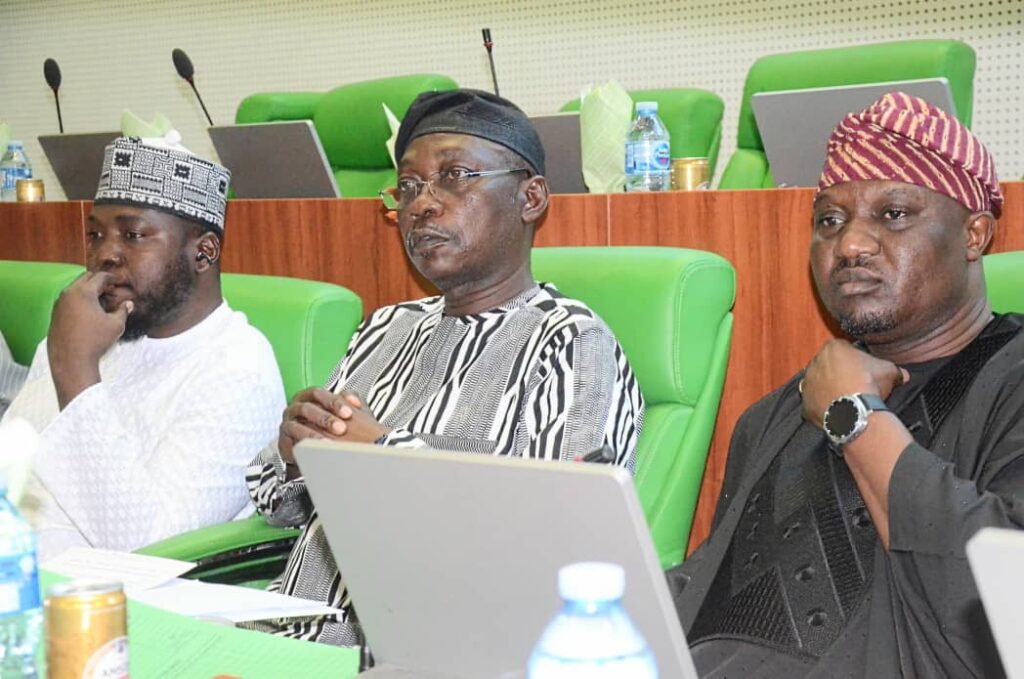
The House of Representatives on Tuesday commenced an investigation and appraisal of the performance and benefits accrued to the Federal Government from concessionaires operating air and sea port terminals and related shipping activities from 2006 to 2025.
Declaring the exercise opened at the National Assembly, Speaker Tajudeen Abbas said the investigation was timely and imperative.
He said, “Nearly two decades after the commencement of these concession arrangements, it is both timely and imperative for the Legislature, as representatives of the Nigerian people, to undertake a comprehensive review of their outcomes.
Represented by Hon. Laori Kwamoti, Abbas explained that the exercise is not an attempt to undermine legitimate private sector participation, “It is rather an expression of the House’s constitutional mandate to conduct oversight, ensure accountability, and safeguard national interest.
“Nigerians deserve to know whether these concessions have delivered value for money, complied with contractual obligations, enhanced national competitiveness, protected public assets, and contributed meaningfully to economic growth, employment, and revenue generation.
“The scope of this committee’s assignment is broad and critical. It includes, but is not limited to: An examination of the terms and conditions of concession agreements entered into from 2006 to 2025;
“An assessment of revenue flows, remittances, and other financial benefits accruing to the federal government and its agencies; A review of compliance with contractual, regulatory, and safety obligations by concessionaires;
“An appraisal of infrastructure development, operational efficiency, service quality, and labour issues; Identification of challenges, gaps, and systemic weaknesses within the concession framework; and
The formulation of clear, practicable recommendations to improve policy, legislation, and future concession arrangements.
In his welcome address, the chairman of the ad hoc committee, Hon. Akinlayo Kolawole, assured that in executing its mandate, they will engage relevant government agencies, regulatory bodies, and private sector stakeholders.
“These include the Nigerian Ports Authority, concessionaires, the Nigerian Maritime Administration and Safety Agency (NIMASA), Nigeria Customs Service, the Nigerian Upstream Petroleum Regulatory Commission (NUPRC), the Bureau of Public Procurement, the Shippers’ Council, operators of crude oil and gas terminals, domestic vessel owners and charterers, importers, shipping companies and banks”.
He said their engagements will focus on compliance with applicable laws, operational efficiencies, complaints of statutory breaches, and revenue performance, among other critical areas.
“Our objective is clear: to ensure that the federal government and the Nigerian people derive maximum benefits from our port and terminal operations, that revenues due are fully captured, and that operational lapses or inefficiencies are identified and addressed.
“This is not only an exercise in review but a critical step toward strengthening governance, promoting accountability, and fostering an enabling environment for sustainable growth in Nigeria’s maritime sector”.