
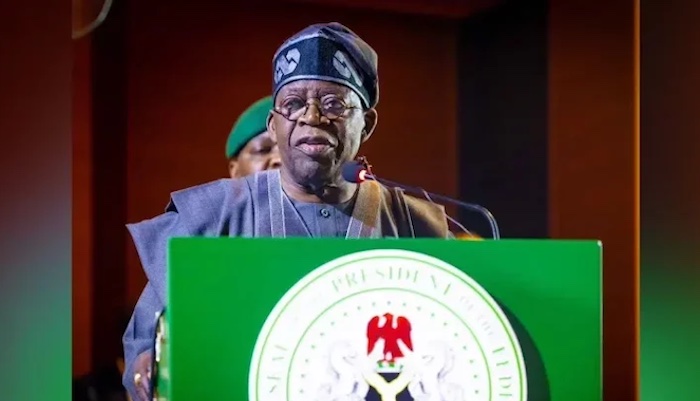
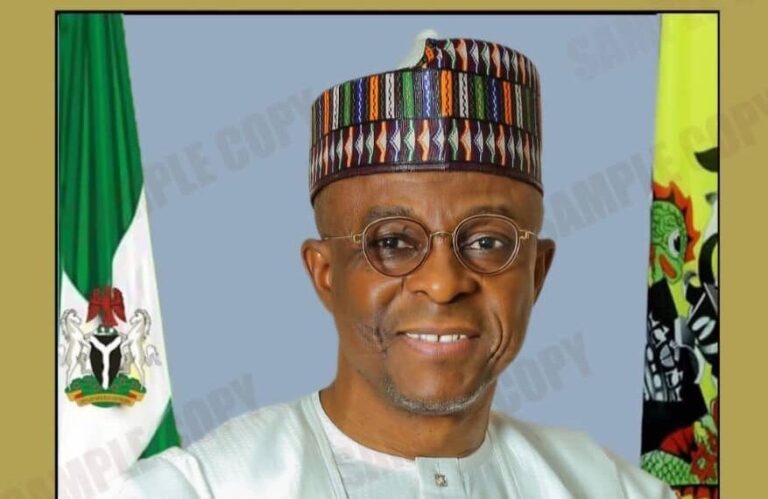
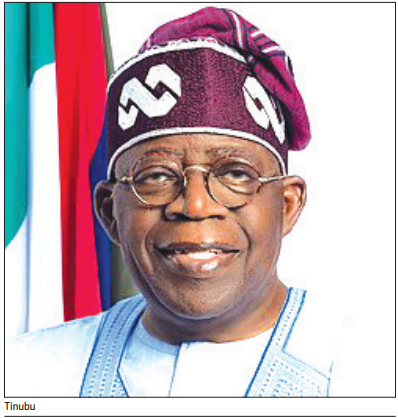
The Renewed Hope Ambassadors has directed its state and zonal coordinators to intensify grassroots mobilisation ahead of the 2027 general elections. National Coordinator of the network, Governor Hope Uzodimma of Imo State, issued the directive at the network’s fourth strategic meeting.
Party officials, coordinators and stakeholders attended the meeting to review mobilisation strategies and align communication efforts with the administration’s policy direction. Uzoimma, who also doubles as chairman the Progressive Governors’ Forum, said the network was created to promote President Bola Tinubu’s Renewed Hope Agenda at the grassroots through a unified mobilisation framework.
According to him, the initiative seeks to bridge the information gap between government and citizens, particularly in rural and underserved communities. “This outfit is designed to create national awareness, help citizens understand the reasons for the President’s reforms and their benefits,” he said. He urged coordinators to clearly communicate government policies to Nigerians to prevent misinformation and misinterpretation of ongoing reforms. According to him, effective engagement will build public trust and ensure citizens are properly informed about policy intentions and expected outcomes.
“If we do not inform the people properly, this government will be misunderstood,” he said, crediting Tinubu with implementing bold reforms aimed at repositioning Nigeria’s economy for sustainable growth and development. He added that the reforms, though challenging, were necessary to stabilise the economy and lay a foundation for long-term national prosperity. Accusing members of the opposition of spreading misinformation to undermine government programmes and confuse the public, the Imo State governor warned that unchecked misinformation could erode public confidence and distort the true impact of ongoing reforms.
He called for unity within the network, noting that the ruling party currently enjoys the support of 31 state governors nationwide. Such support, he said, provides a strong platform for coordinated mobilisation and effective dissemination of government achievements. He outlined inherited challenges, including stalled subsidy reforms, low minimum wage and a high number of out-of-school children.
According to him, these issues require decisive policy interventions and sustained commitment from all levels of government. He said the administration has recorded measurable progress through policies targeting economic recovery and social development.
“As I speak, over one million students are benefiting from the National Education Loan Fund programme,” he said. Uzodimma said the scheme has improved access to tertiary education and reduced financial burdens on students and their families. He also cited a drop in rice prices, from about N120,000 per bag two years ago to approximately N50,000 currently.
According to him, the reduction reflects improved agricultural output and policy measures aimed at stabilising food prices. “All these a c h i eve m e n t s must be communicated effectively for Nigerians to appreciate the progress being made,” he said. Also speaking, Governor Uba Sani of Kaduna State called for stronger amplification of the administration’s achievements at the subnational level.
He said state governments must tailor communication strategies to local realities to ensure policies resonate with grassroots communities. He added that initiatives such as primary healthcare improvements and other development programmes should be properly disseminated to grassroots communities. Similarly, Governor Inuwa Yahaya of Gombe State stressed the need for synergy among members to enhance effective communication of government successes.
He said collaboration among coordinators would strengthen outreach and ensure consistent messaging across all regions. “Synergy will aid our task of spreading the successes of this administration, including efforts to tackle insecurity in the North-East,” Yahaya said. The governors expressed confidence that sustained mobilisation will strengthen public support for the APC ahead of the 2027 elections and urged members to remain committed, disciplined and focused in delivering the party’s message across all communities.
In a related development, the immediate past chairman of the APC in Imo State, Dr. MacDonald Ebere, has said that the political future of the state and the South-East geo-political zone is now brighter under the ruling APC. Ebere said that lots of political transformation are going on in Imo, the South-East and across the country under President Tinubu’s-led APC government. His words: “Political success is firstly predicated on internal cohesion amongst political actors and well-articulated manifesto tailored toward securing the future of the people.
“This is practically what is happening in Nigeria under the Tinubuled APC and I am particularly happy that our own governor, Hope Uzodinma, is at the centre of this movement. “Apart from being the chairman of Progressive Governors’ Forum, Governor Uzodinma has secured Imo and the entire South-East geopolitical zone under the APC fold and our voice is now not only heard but respected.”
On the chances of APC in the 2027 general election, Ebere said the party has very bright chances. “During the 2023 general election, some factors affected our performance, but they are no longer feasible today, making it obvious that our fortune in the SouthEast is assured. “Governor Uzodinma and other political heavyweights have decimated all the challenges APC hitherto had and the party is now firmly rooted in the zone. Again, our people are no longer naive on the issue of political alignment at the centre.
All notable politicians in the zone are now in APC. “At the grassroots level, the awareness is now very high. For instance, in the 305 wards and 27 local government areas in Imo State, APC has strong control and same is applicable in Ebonyi, Enugu, Anambra and Abia,” he said, noting that the future of Ndigbo is well secured in APC.








