


The Pipeline Infrastructure Nigeria Limited has commended community leaders in the oil-producing communities in Bayelsa State, who have continued to discourage illegal activities and to toe the path of dialogue as the most effective tool for conflict resolution, maintaining that their leadership has played a crucial role in maintaining stability across the pipeline corridor.
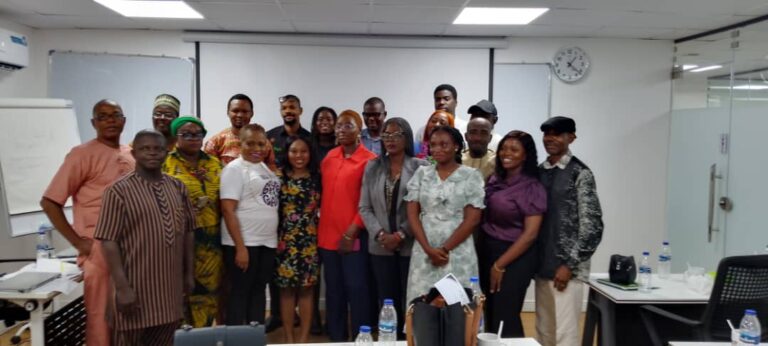
Speaking on Thursday in Yenegoa during this month’s stakeholders meeting, Dr Akpos Mezeh, General Manager Community & Stakeholders Relations,
Pipeline Infrastructure Nigeria Limited reaffirmed its commitment to strengthening community partnerships, enhancing infrastructure security, and driving sustainable development across host communities.
Dr Mezeh stated the critical role host communities, security agencies, and operators play in safeguarding national assets, disclosing that community partnership is central to national security.
He said that when communities protect infrastructure, they protect livelihoods, national revenue, and the future of our country. Peace, security, and development are shared responsibilities.
“We must all remain vigilant, committed, and accountable in safeguarding our operations and national assets. Together, we have demonstrated that when communities, government institutions, and operators work together, meaningful progress becomes possible.”
Dr Mezeh highlighted recent gains in Nigeria’s oil and gas sector, referencing the Nigerian National Petroleum Company Limited (NNPCL)’s January 2026 report, which recorded ₦385 billion profit after tax and ₦2.571 trillion in revenue.
He said the improved performance reflects growing operational efficiency and underscores the importance of protecting critical energy infrastructure.
He also noted increased gas production and supply, which continues to support power generation, industrial use, and exports, aligning with the Federal Government’s Decade of Gas Initiative.
According to him, strategic projects such as the AKK and OB3 pipelines are not only energy assets but economic drivers capable of creating jobs and stimulating development.
The PINL, however, issued a strong warning to contractors and surveillance teams against negligence and collusion.
Mezeh also revealed some of the achievements of PINL in her host communities, which are Capacity Building Training for community-based contractors, Youth participation in pipeline protection activities, Women-focused economic empowerment programmes, Educational support through scholarship schemes, Medical outreach programmes, distribution of humanitarian support and palliatives, among others.
As 2026 rolls in, PINL said that her operational priorities will continue to focus on sustaining zero infractions across the Trans Niger Pipeline (TNP) corridor and the Eastern Gas Network (EGN), expanding youth and women empowerment programmes, strengthening community intelligence and early warning systems, enhancing grievance resolution and stakeholder feedback platforms and others.
“While we promise to sustain our advocacy for communities in the oil and gas riverine communities to also enjoy an uninterrupted supply of petroleum products via the provision of functional floating petrol and gas stations.
“Be assured that the Federal Government is not unaware of the challenges of the people as they continue to buy these products way above the prevailing market price.” He said.
He also thanked the security formations in the state, adding that without their collaboration, the progress recorded in recent months would not have been possible.
“Enhanced collaboration between host communities, security agencies, government institutions, and pipeline operators has significantly reduced incidents of crude oil theft and vandalism across our operational corridors.
“At the same time, we must continue to strengthen collaboration. The community intelligence systems have significantly enhanced information flow and improved response times.
“We remain committed to promoting initiatives that improve the welfare of host communities and foster inclusive participation.
As we move further into 2026, let us deepen trust, strengthen cooperation, and continue building partnerships that will secure both our infrastructure and the future of our communities.”
He also assured that “at PINL, we remain committed to transparency, fairness, and inclusive stakeholder engagement. Together, we can build a future where infrastructure security translates into economic opportunity, community development, and national prosperity.”








