

Participants at a recent police reform training have commended ongoing changes in the Nigeria Police Force (NPF) command structure, describing them as timely and critical to improving professionalism, accountability, and operational efficiency.
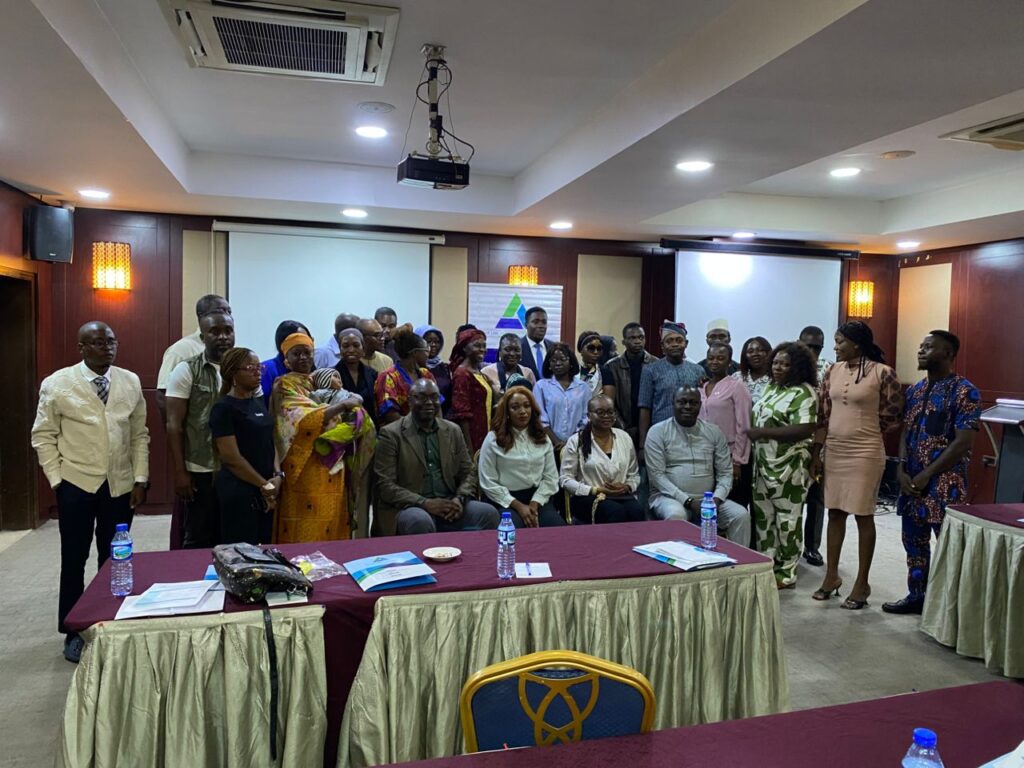
The commendation was made during a one-day Police and Media Dialogue Session on reporting police reform and accountability, organised by the Rule of Law and Empowerment Initiative, also known as Partners West Africa Nigeria (PWAN), in Abuja.
The dialogue was aimed at strengthening accountability, transparency, and collaboration between the Nigeria Police Force and the media.
The training brought together stakeholders from various police formations and focused on modern policing standards, human rights compliance, and leadership reforms designed to strengthen internal coordination within the force.
In his plenary presentation, Mr Collins Nnabuife, a participant, noted that the revised command structure has improved clarity in roles and responsibilities, reduced operational overlaps, and enhanced decision-making processes.
According to him, the reforms have also improved communication between victims and police officers through the establishment of specialised desks such as Legal Services, Gender-Based Violence, and Anti-Kidnapping units. These measures, he said, have led to quicker response times and more effective field operations.
He added that the new structure promotes merit-based leadership and strengthens supervision at all levels of command.
Facilitators at the workshop emphasised that command restructuring is a key pillar of broader police reforms aimed at rebuilding public trust and aligning policing practices with democratic principles.
Speaking at the event, the Executive Director of PWAN, Mrs Kemi Okenyodo, said the effective implementation of the Police Act 2020 remains central to building a professional, inclusive, and citizen-responsive police force, particularly for women, youths, and other vulnerable groups.
She further explained that the one-day workshop for media actors was designed to enhance accurate and responsible reporting on police reform and accountability issues.
She described PWAN as a women-led, non-governmental organisation committed to strengthening citizen participation, improving security governance, and enhancing protection systems across Nigeria and West Africa.
She noted that with support from the Foreign, Commonwealth and Development Office (FCDO), PWAN is implementing the project titled “Enhancing Public Trust and Gender-Responsive Policing in Nigeria Through Effective Implementation of the Police Act 2020 Across the Six Geopolitical Zones.”
According to her, the project seeks to strengthen police reform by promoting institutional accountability, gender responsiveness, and improved public trust in the Nigeria Police Force.
She stressed that increasing awareness of the Police Act would help reduce rights violations and foster a more citizen-responsive policing culture.
Another facilitator, Mr Odoh Diego, highlighted the importance of narrative framing in reform efforts, noting that how institutions communicate progress and challenges significantly shapes public perception.
He explained that while reporting on reforms does not amount to public relations, it should involve honest acknowledgment of successes and gaps.
He identified solutions journalism as an effective tool for engaging complex issues such as police reform.
Comparing developmental and solutions journalism, Mr Okenyodo said solutions journalism critically examines responses to social problems, focusing on how they work and the lessons learned, while developmental journalism often takes a broader, advocacy-oriented approach aimed at inspiring change.
“Solutions journalism adds a rigorous, evidence-based focus on specific responses within the development context,” he said.