


The Zamfara State Government on Thursday announced that a recent cholera outbreak, which affected numerous communities across the state, has been successfully contained, with no active cases currently reported.
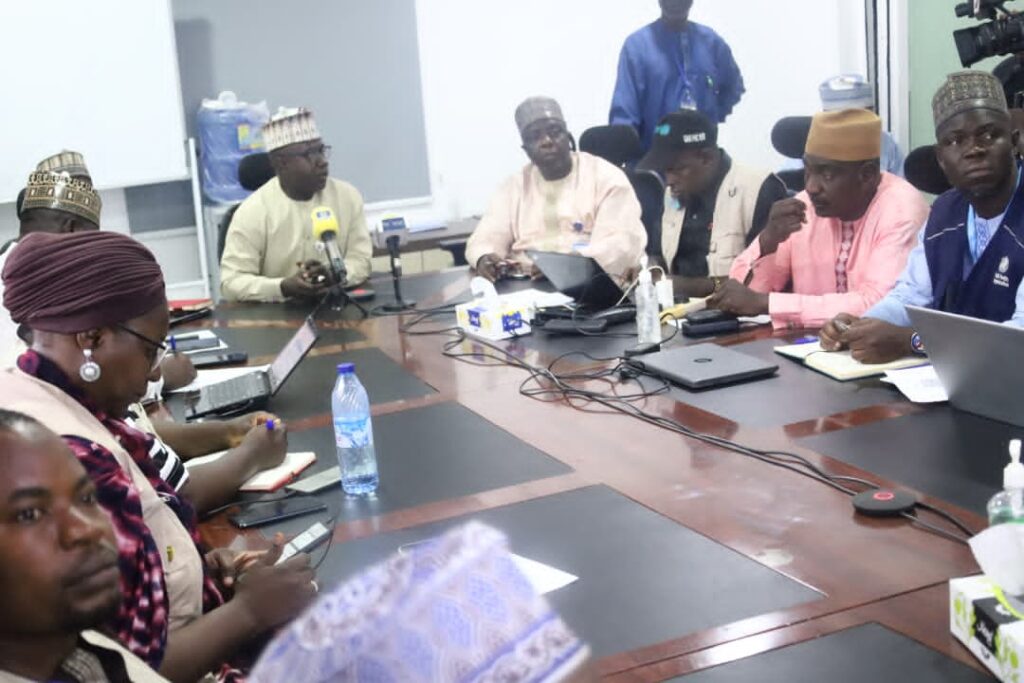
The announcement came during an After Action Review Meeting on the cholera response, held at the Public Health Emergency Operations Center in Gusau, the state capital.
The containment was confirmed by the State Commissioner of Health, Dr. Nafisa Muhammad Maradun, represented by the Director of Public Health, Dr. Yusuf Haske. Dr. Maradun described the achievement as evidence of the administration’s commitment to transparency, accountability, and people-centered governance.
According to the Commissioner, Zamfara recorded 15,464 cholera cases, of which 15,265 patients were successfully treated and discharged, while 192 deaths were documented across the state’s 14 Local Government Areas.
The State Government is now developing a Pandemic Preparedness Plan to tackle future public health threats, including cholera, diarrhea, cerebrospinal meningitis (CSM), heavy metal contamination, and other diseases of public health importance. Appreciation letters have also been issued to all partners who supported the response.
Speaking on behalf of all partners, Dr. Raji Mukhtar, WHO State Coordinator, highlighted the importance of timely planning, proper coordination according to the Incident Management System (IMS), and accurate data reporting. He noted that initial challenges in Zurmi and Anka created vulnerability to misinformation, especially following media reports from Gummi, which heightened public anxiety.
Dr. Mukhtar commended the harmonization of partner support and the activation of the Incident Management System, which established a unified command and ensured an effective response. He particularly praised the Zamfara State Government for demonstrating strong political will by dedicating necessary resources throughout the response.
He emphasized the need for improved, coordinated data reporting at the Local Government level, particularly through Disease Surveillance and Notification Officers (DSNOs), to enhance surveillance and early detection efforts.
The review meeting was attended by major health partners, including WHO, UNICEF, AFENET, Solidarity Support, IRC, Red Cross, and Médecins Sans Frontières (MSF). Key government agencies present included Ruwatsan, PHCB, Humanitarian, ZESA, and the Ministries of Information and Environment.
The session reaffirmed the State Government’s commitment to strengthening public health systems and improving the quality of life for Zamfara residents.