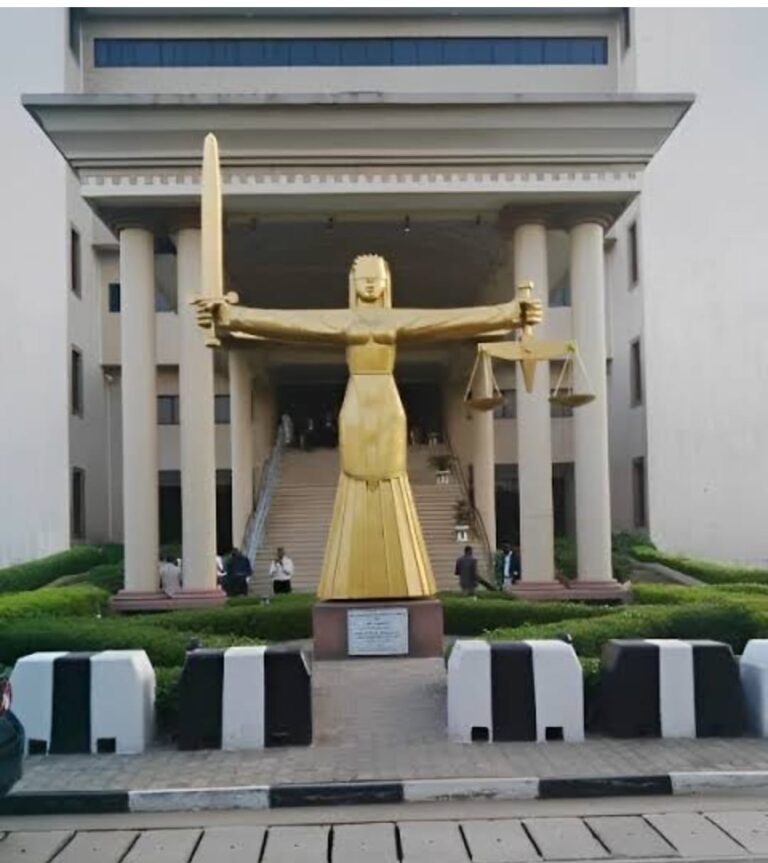


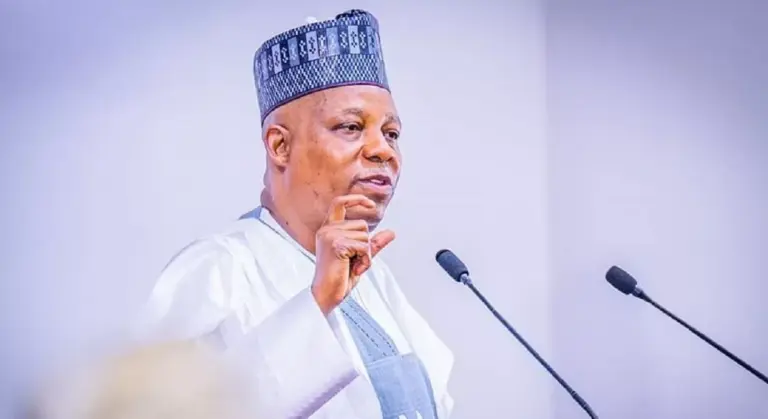

The Nigeria Labour Congress (NLC) has criticised the ruling of the National Industrial Court that suspended the ongoing strike by Federal Capital Territory (FCT) workers, accusing the court of disregarding what it described as “continuous criminal violations” committed against the workers by the FCT Administration.
In a statement signed by its Acting General Secretary, Mr. Benson Upah, the Congress expressed deep dismay over the court’s decision to suspend the strike and adjourn the substantive matter until March 25, 2026, without granting any injunctive relief in favour of the workers.
Upah said while labour respects judicial decisions, the court’s refusal to address alleged statutory breaches by the FCT Administration was “distasteful and profoundly troubling.” He added, “We are concerned that the court said nothing or did nothing about the continuous commission of offences against the teeming workers of the FCT by the Minister and the FCTA.”
The Congress highlighted several major alleged violations, including the failure to remit National Housing Fund (NHF) deductions, which is a criminal offence under the NHF Act, punishable by fines ranging from ₦50,000 to ₦100 million and possible imprisonment of responsible officers. Labour also accused the FCTA of breaching the Pension Reform Act, 2014, which mandates that pension deductions be remitted within seven working days of salary payment, with penalties accruing at a minimum of two per cent per month.
Upah noted that these were only a few of the alleged infractions, with several others deliberately omitted. He described the long adjournment and denial of injunctive relief as “irreparably damaging” to the workers’ cause and suggested that the court’s approach raised serious concerns about its interest in the matter.
Labour also accused the FCT Minister of escalating tensions by issuing threats of dismissal immediately after the ruling. “The Minister did not wait for the ink on the court order to dry before threatening sacking workers. We doubt that reasonable conversation can hold in such a toxic environment,” Upah said.
Despite the ruling, the NLC insisted that workers’ morale remained unbroken. “If the intention of the court is to break the strike or weaken the resolve of injured workers, then it is mistaken. Our hearts can never be broken,” the statement said.
The Congress further warned that disregard for statutory labour protections poses broader risks to national stability, adding, “There is a certain risk we all run when some courts elect to write themselves into oblivion. We as a nation must not take that dangerous path.”
Upah concluded by placing all institutions, organisations, and individuals violating the Pension Reform Act and the NHF Act on notice for “serious engagement,” while directing labour organs to remain on high alert to ensure enforcement.