




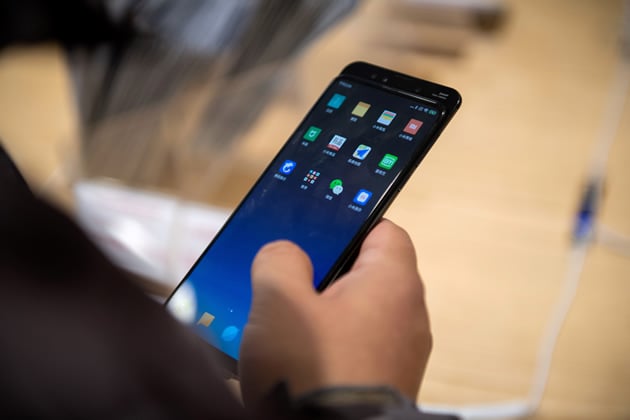
Nigeria’s smartphone market surged 25 per cent in the fourth quarter of 2025, driven by rising adoption of affordable 4G devices and expanding data usage across urban and semi-urban centres, according to research firm Omdia.
The growth was part of a broader African trend, with the continent’s smartphone shipments reaching 23.1 million units in Q4, up 14 per cent from the same period in 2024. For the full year, shipments totalled 84.4 million units, representing a 13 per cent increase over 2024 and marking the region’s strongest recovery since 2021.
“Fourth-quarter 2025 underscored the growing strain on Africa’s entry-tier smartphone segment as input costs continued to climb,” Principal Analyst at Omdia, Manish Pravinkumar, stated.
Smartphones accounted for roughly 55 per cent of total mobile handset shipments in 2025, reflecting a continued transition away from feature phones toward entry-level and mid-tier smart devices.
Devices priced below $200 dominated the Nigerian market, highlighting the price-sensitive nature of demand.
South Africa recorded the strongest performance among major African markets, with shipments rising 38 per cent year-on-year, supported by robust prepaid demand. Kenya saw a more modest 3 per cent growth, constrained by cost-of-living pressures that limited discretionary upgrades.
In terms of brand performance, TRANSSION retained its market leadership with a 44 per cent share, although growth slowed to 3 per cent due to its heavy exposure to ultra-low-price bands.
Samsung delivered its strongest quarterly result since Q4 2021, posting 27 per cent growth on the back of its Galaxy A-series. Xiaomi expanded by 12 per cent, supported by more localised product strategies and improved channel execution. OPPO and HONOUR also recorded double-digit growth, strengthening their presence across Nigeria and other African markets.
Average selling prices in Nigeria rose in line with continental trends, reflecting higher component costs and a gradual shift toward better-specified entry-level and mid-tier devices. Analysts warn that the strong 2025 performance may face headwinds in 2026, as prepaid and first-time buyers could delay upgrades due to inflationary pressures and rising device costs.
“The key challenge in 2026 will be maintaining affordability in a cost-constrained environment without destabilising channel inventories,” Pravinkumar said, noting that markets concentrated in sub-$200 devices, including Nigeria, may face sharper volume pressure.








