


Nigeria’s trade relationship with China is set for a major boost as a new zero-tariff policy on Nigerian exports to the Asian country is scheduled to take effect from May 1, 2026.
The development is expected to significantly expand export opportunities for Nigerian businesses and further strengthen economic ties between both countries, whose bilateral trade volume exceeded $28bn in 2025.
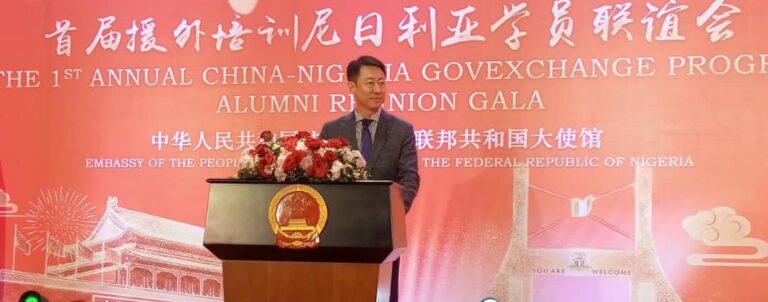
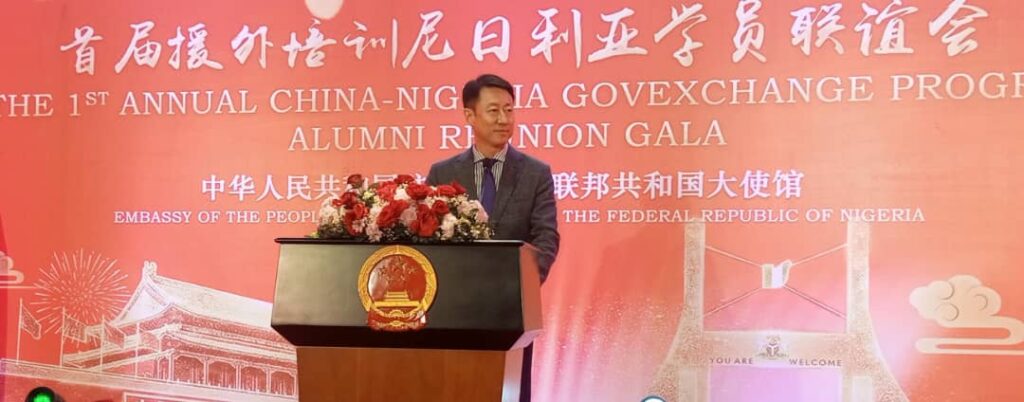
The Chinese Ambassador to Nigeria, Yu Dunhai, disclosed this on Monday in Abuja, announcing that all Nigerian goods exported to China would enjoy duty-free access under the new arrangement.
The envoy said, “On March 26th, China and Nigeria signed the framework agreement on economic partnership for shared development. So we are now working together to ensure the zero-tariff policy takes effect on May 1st. That means starting from May 1st of this year, all Nigerian products, 100 per cent, will enjoy zero tariff when exported to China.”
He described the policy as a major milestone in Nigeria-China relations, noting that it would provide a stable framework for long-term trade cooperation. “I am confident that this will provide a long-term, stable, and predictable institutional safeguard for our cooperation, taking our pragmatic partnership to new heights,” Dunhai stated.
The ambassador explained that the initiative followed the signing of a framework agreement on economic partnership for shared development between both countries on March 26.
Dunhai, who spoke at the launch of the Small Hydropower Centre of Excellence in Nigeria project implemented by the United Nations Industrial Development Organisation, said the agreement would deepen trade flows and unlock new opportunities for Nigerian exporters.
According to him, the policy would particularly benefit key sectors such as agriculture and manufacturing by granting them improved access to the vast Chinese market. “Nigeria is now one of China’s most vital economic partners in Africa. The growing trade volume reflects the deepening economic and commercial ties between our two countries,” he said.
Providing context, the envoy noted that trade relations between Nigeria and China had grown significantly over the past decades, with the 2025 figure representing nearly a tenfold increase compared to 2005 levels. “Over the past 55 years, our economic and trade ties have deepened significantly. In 2025, our bilateral trade volume surpassed $28 billion, nearly 10 times the level in 2005,” he said.
He added that the zero-tariff policy aligns with broader efforts to strengthen China-Africa economic cooperation and promote South-South partnerships. “This initiative aligns with our shared commitment to global development and South-South cooperation. China has always been a practitioner of true multilateralism and maintains a close partnership with UNIDO,” Dunhai stated.
The ambassador also reaffirmed China’s commitment to supporting Nigeria’s economic growth through trade expansion, infrastructure investment, and industrial collaboration.
The PUNCH reports that the deal could mark a turning point for Nigeria’s export sector, which has long struggled with limited market access and overdependence on crude oil revenues.
With China offering a duty-free window for all Nigerian products, stakeholders believe local producers may now find stronger incentives to scale production for export and an alternative to countries with difficult entry access.
The policy is also expected to complement the Federal Government’s ongoing efforts to diversify the economy and boost non-oil exports, particularly in agro-processing and light manufacturing.