
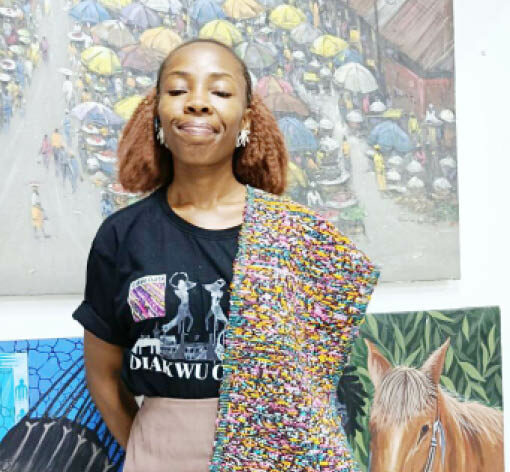
The Nigeria International Fashion Festival (NIFAFest) has identified the need to establish formal fashion institutions and support the sustainable development of the fashion industry in Nigeria.
The 3-day maiden festival, organised by Nike Arts Gallery in Abuja, saw 20 local fashion brands display creative pieces comprising richly motif-ed ‘Adire’, ‘Tie-Dye’, ‘Ankara’, and upcycled textiles, as well as accessories like leather and fabric handbags, shoes, earrings, and bracelets.
While the festival highlighted the rich heritage and potential of Nigeria’s fast-rising fashion industry, local designers underscored the significant challenges that can hinder its growth.
These include the need for tertiary institutions that teach fashion and design, and the lack of funding to support the growth of the alternative fashion industry, which hinders its capacity to create job opportunities for Nigerian youths.
Speaking at the event, Chinedu Idigo of EduFab Signature said it is high time Nigeria invest in formal fashion and design institutions where people study and earn fashion degrees that they’d be proud of.
“Fashion is not just about reading about books or sourcing for inspiration online. There is a need for institutions of learning with fashion and design courses and degree programmes that they can be proud of.
“I think the government should create platforms and institutions where upcoming creatives can access support, financial and otherwise. This inspires people to do more.”
Edufab, whose designs are inspired by climatic changes – from the flowy, supple, structured short-sleeved shirts and trousers to the jean-cotton, leather-Ankara combo jackets and cargo pants – said the future is bright for the industry if it does not rest on its laurels.
He urged Nigerian to collaborate with artist(e)s as a means of crafting well-designed, functional, and durable outfits.
The Diakwu Cloth Brand is a fashion brand that creates functional and durable outfits with a message.
Founded by Ijeamaka Nwizu, the handwoven textile waste brand recycles offcuts and textile waste into unique mono, multi-coloured and multi-patterned fabrics.
Diakwu’s refined finishing is attributed to its workforce, native loom weavers from Okhene, who migrated from Kogi State to Abuja to work for the brand. These women, nearly out of jobs, were given a new lease of life by the brand.
It takes three to ten working days to handweave a Diakwu fabric, but these women appear to do it with the utmost care and love. The brand has also taken up the task of training younger women – school dropouts – as a means of preserving the looming heritage.
Consequently, the brand has yet to break even, as it bears the high costs of caring for the environment and supporting its weavers.
“The major challenge in the sustainable fashion industry is funding, and the lack of appreciation for the work that we do.
“We had to make a lot of provisions to migrate and accommodate these weavers. That is a sacrifice my boss was willing to make because she sees the future in this business.
“In the little way we can, we are protecting our environment, empowering people, and preserving Nigeria’s heritage. If the government supports us, we will empower more young women and men. I think Nigeria and Nigerians should also learn to appreciate the work we do, and see it for what it can yield in the long-term,” said Honeybell, the brand’s representative at the festival.
Enumerating the main objectives of the festival, President and founder of NIFAFest, Mr Abimbola Oluwalowo, said it is targeted at promoting and empowering women and youth in Nigeria’s fashion industry, both locally and internationally; in addition to fostering African fashion heritage.
The maiden edition of NIFAFest, held December 4 to 6, featured an exhibition and runway project, workshops, and mentorship sessions.
Oluwalowo said that subsequent editions will see the festival tour the world, featuring selected local female designer brands, and collaborate with African fashion brands in the diaspora to showcase and enhance their work.
“There’s so much happening around the Nigerian fashion industry, and so many aspects of the industry that if looked into can foster unity among the various ethnicities. Mama Nike is promoting lots of locally made textiles. This festival is just part of her plans and efforts to provides broader visibility for what she’s already doing.”