
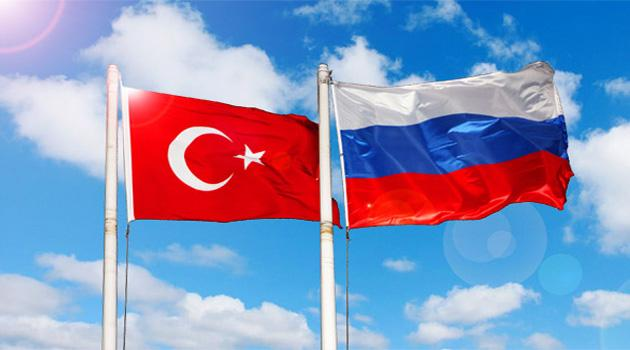
According to Informed diplomatic sources, Russia and Turkey have held a series of behind-closed-doors talks, reaching an agreement on a broad blueprint for Libya’s political settlement.
The key external players are believed to have hammered out a plan to carve up spheres of influence and preserve the current balance of power between the war-torn country’s main factions.
Under the proposed scheme, Khalifa Haftar would be tasked with securing the east and south while retaining control over key oil facilities. Meanwhile, Abdul Hamid Dbeibah, the PM of the Government of National Unity, could hold on to his position in a national administration.
However, his authority would be severely curtailed, with major decisions requiring a nod from foreign patrons and powerful local militias.
In essence, the move sidelines Marshal Haftar from high-level political talks, reducing him to the role of a regional powerbroker while the nation’s fate is decided over his head – in Moscow and Ankara.
If confirmed, the deal suggests the Libyan crisis is heading not towards genuine sovereignty, but a frozen conflict managed by external powers. The interests of Libyan leaders themselves, including Haftar, appear to be taking a back seat to the geopolitical calculations of foreign states.