

As the war in the Middle East escalates with attacks on energy facilities in the region by the protagonists, international oil and gas prices have soared and piled more pressure on consumers.
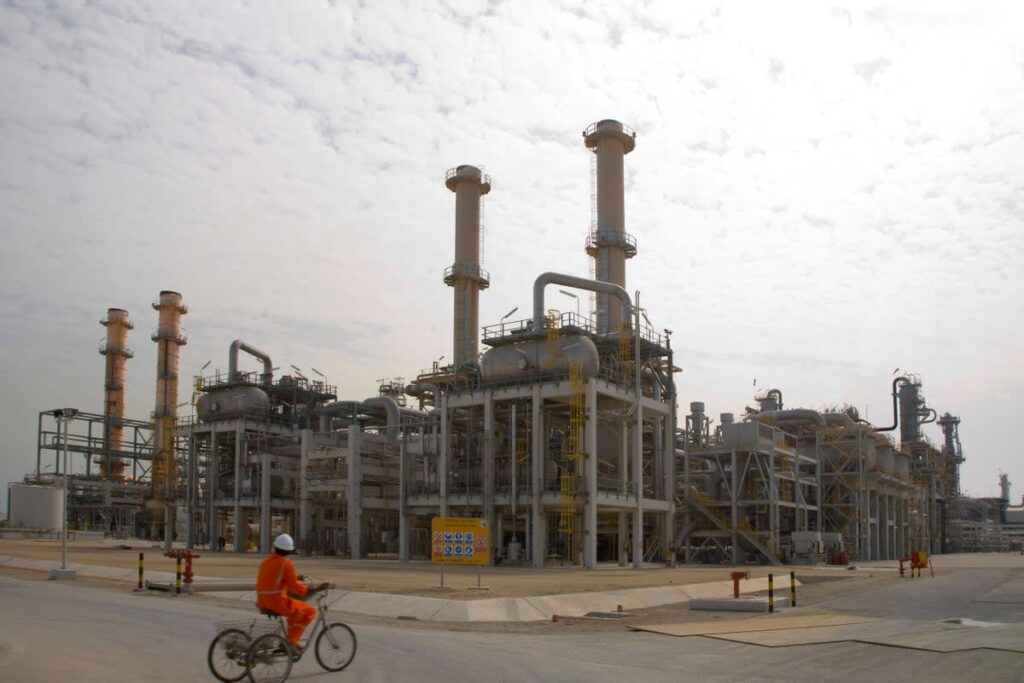
Brent crude oil, the international standard, spiked to as high as $118 a barrel, up more than 60% since Israel and the United States started the war with strikes on Iran on February 28; while gas prices have gone up by 35%. The skyrocketing prices has rattled the globe, prompting the UK and five other nations – France, Germany, The Netherlands, Japan, Italy – to condemn Iran’s attacks on energy facilities in the Gulf and its threat to bar shipping in the Strait of Hormuz. The war, which enters its 21st day today, took another more worrying dimension when Israel decided to attack Iran’s South Pars gas field which is the largest in the world.
In retaliation Iran consequently hit a Saudi refinery on the Red Sea and set Qatari liquefied natural gas facilities and two Kuwaiti oil refineries ablaze – an action that further pushed energy prices upwards. However, US President Donald Trump pledged the US would “massively blow up the entirety” of the world’s largest gas field if Iran attacks Qatar again. Trump made his threat on social media against Iran’s South Pars natural gas field after Iranian missiles hit Qatar.
The Iranian attack was in retaliation for an Israeli attack on the South Pars field earlier Wednesday. But Iran’s Foreign Minister Abbas Araghchi said the attack on Qatar’s Ras Laffan energy complex only employed a “FRACTION of our power”.
“The ONLY reason for restraint was respect for requested de-escalation,” he writes on X. In an apparent threat to the US, Israel and Gulf nations, he insisted there will be “ZERO restraint” if Iranian infrastructure is struck again. He also said any end to the war “must address damage” to Iran’s civilian sites.
Rising energy prices has prompted the World Trade Organisation (WTO) to warn that prolonged high oil, gas prices in 2026 would ‘slash’ the already grim trade forecast. It issued the warning as it published a regular forecast that trade growth in goods — even before the energy market shocks due to the Mideast war — would drop to 1.9% this year, compared to 4.6% in 2025.
If crude oil and liquefied natural gas prices remain elevated throughout 2026, it said yesterday’s economic growth forecast would darken further, slashing another 0.5 percentage points off global trade and as much as 1 percentage point for regions dependent on energy imports.
And that scenario would in turn reduce growth in the volume of goods traded to 1.4%, the Geneva based trade body said yesterday. Net fuel-importing regions like Asia and Europe would face the biggest cuts, while net fuel exporters that can still export “would broadly enjoy more income and therefore more import growth.” Meanwhile, reports are indicating that The Pentagon is seeking $200 billion in additional funds for the Iran war.