



A group of concerned lawmakers in the House of Representatives yesterday alleged that the tax reform laws passed by the National Assembly and subsequently signed by President Bola Tinubu were altered after passage, raising questions over the legality of the versions currently being circulated by the Federal Ministry of Information.
The lawmakers said the amendments contained in the gazetted copies did not receive legislative approval and are therefore constitutionally defective and legally vulnerable.
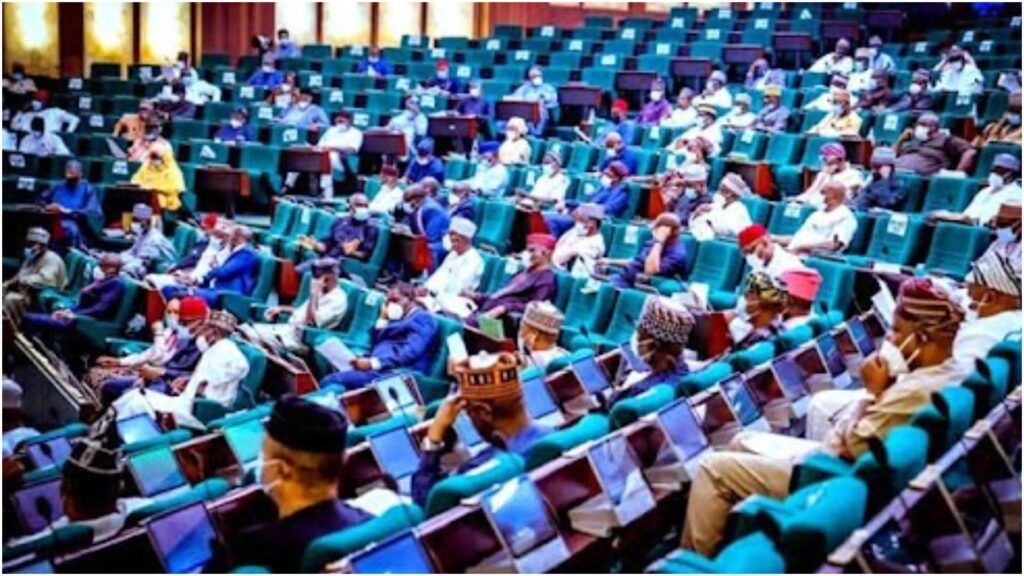
At the resumed plenary yesterday, a Sokoto lawmaker, Abdussamad Dasuki, raised the issue under a matter of privilege, drawing the attention of the House to what he described as discrepancies between the harmonised versions of the tax bills passed by both chambers of the National Assembly and the copies gazetted by the Federal Government.
A report compiled by the concerned lawmakers detailed what it described as alterations that could not be dismissed as “clerical or editorial corrections.”
The document read in part: “Following concerns that certain tax bills passed by the National Assembly in 2025 were altered after passage, the House constituted a Select Committee on PostPassage Alterations to investigate discrepancies between votes and proceedings of the National Assembly, Clerkcertified (as-passed) bills and gazetted/final versions of the Acts.
“The committee’s review, supported by forensic comparisons and independent legal opinions, establishes that substantive provisions were inserted, deleted, or modified after passage by both chambers. “Several oversight, accountability, and reporting mechanisms approved by parliament were removed in the final Acts.
“New coercive and fiscal powers (e.g., arrest powers, garnish without court order, compulsory USD computation, appeal security deposits) appeared without legislative approval. “These changes cannot be classified as clerical or editorial corrections.” The lawmakers further argued that Sections 4 and 58 of the 1999 Constitution vest law-making powers exclusively in the National Assembly.
“The executive has no constitutional authority to alter a bill after passage. Any post-passage alteration is ultra vires, unconstitutional, and void to the extent of the alteration,” the report stated, adding that: “Affected provisions are vulnerable to judicial invalidation, creating legal and fiscal uncertainty.”
On the methodology adopted, the report said the committee relied on six key annexures, including “a forensic comparison of votes and proceedings, certified bills, and final Acts. The lawmakers warned that the alleged alterations undermine legislative supremacy and parliamentary integrity, and “weaken oversight and accountability mechanisms.”
They also noted that if left unaddressed, “the alterations would expose Nigeria to litigation risk, regulatory uncertainty, and loss of investor confidence.” The House of Representatives and the Senate passed the tax reform bills in March and May, respectively. President Bola Tinubu signed the bills into law in June.