



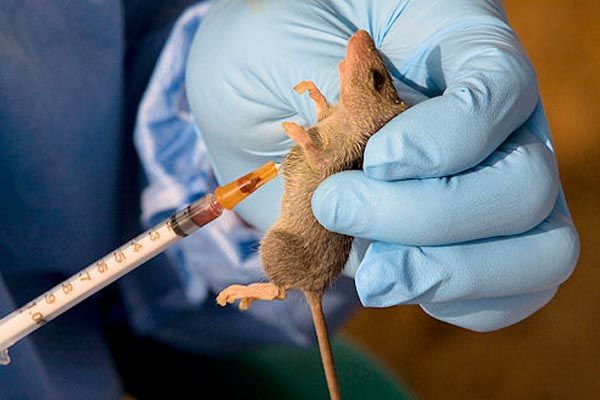
Lagos State Government has sounded a strong public health alert on Lassa fever, announcing the commencement of a statewide awareness and prevention campaign amid rising national Lassa Fever cases that have resulted in 167 deaths nationwide.
The development comes amid growing concerns over healthcare worker infections, with cases of the disease spread which has risen to 660 cases nationwide.
In a statement by the Director of Public Affairs at the Lagos State Ministry of Health, Mr Tunbosun Ogunbanwo, on Saturday, Lagos State Commissioner for Health, Prof. Akin Abayomi, warned that Nigeria is currently experiencing one of its most severe Lassa fever outbreaks in recent years, with over 660 qconfirmed cases and 167 deaths recorded between January and mid-March 2026.
He disclosed that the outbreak has spread across 22 states and 93 local government areas, describing the trend as “a serious national health concern” that demands urgent, coordinated and proactive measures at both federal and state levels.
According to him, an especially troubling dimension of the outbreak is the infection of frontline health workers, revealing that at least 38 healthcare personnel have contracted the disease, with three doctors losing their lives since the start of the year.
“When a disease begins to kill frontline workers, that is a serious warning sign,” Abayomi stated, stressing that the situation underscores the need for heightened vigilance, strict infection prevention protocols and rapid response systems.
He explained that Lassa fever is a highly contagious zoonotic viral disease transmitted primarily from rodents and bushmeat to humans, and subsequently spreads from person to person, often presenting as a haemorrhagic illness capable of causing fever and internal bleeding.
Although Lagos is not classified as an endemic state and typically records only a few imported cases annually, the Commissioner warned that its status as a densely populated commercial hub significantly increases the risk of rapid transmission.
“Every day, thousands of people move in and out of Lagos by road and air. In a megacity like ours, infectious diseases can spread very quickly if not contained early, as seen during the COVID-19 pandemic,” he said.
Abayomi noted that, unlike in the past when Lassa fever occurred in seasonal peaks, emerging evidence now suggests year-round transmission, partly driven by increased human interaction with rodent reservoirs and environmental changes.
He added that about 70 per cent of infected individuals exhibit mild or no symptoms but remain infectious, thereby posing a silent transmission risk, particularly in densely populated urban centres like Lagos.
Highlighting the severity of the disease, he stated that approximately one in five symptomatic patients develops serious complications that may result in death, especially in cases where diagnosis and treatment are delayed.
The Commissioner further classified Lassa fever alongside other high-risk viral diseases such as Ebola and Marburg virus disease, noting that they belong to a category of “pathogens of high consequence” capable of overwhelming health systems if not properly managed.
He attributed the increasing incidence of such diseases to factors including climate change, deforestation and ecological disruption, which are driving rodents and other wildlife closer to human settlements while also pushing humans deeper into natural habitats.
To mitigate these risks, Prof. Abayomi revealed that Lagos State has strengthened its preparedness architecture through a 24-hour Emergency Operations Centre, enhanced surveillance systems, digital health tools and continuous training of healthcare workers in biosecurity and infection prevention.
“Preparedness is not a panic response. It is leadership,” he emphasised, adding that the state’s strategy is focused on early detection, rapid isolation and effective case management to prevent outbreaks before they escalate.
Reassuring residents, the Commissioner urged the public to remain calm but vigilant, noting that the Lagos State Government is working closely with the Nigeria Centre for Disease Control, the Federal Ministry of Health and partners, including Irrua Specialist Teaching Hospital, to strengthen response systems and public awareness.
He said the newly launched campaign will focus on educating residents, updating healthcare professionals on case management and infection prevention, and equipping communities with the knowledge required to reduce transmission risks and respond effectively to potential outbreaks.