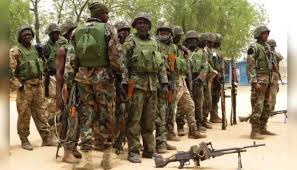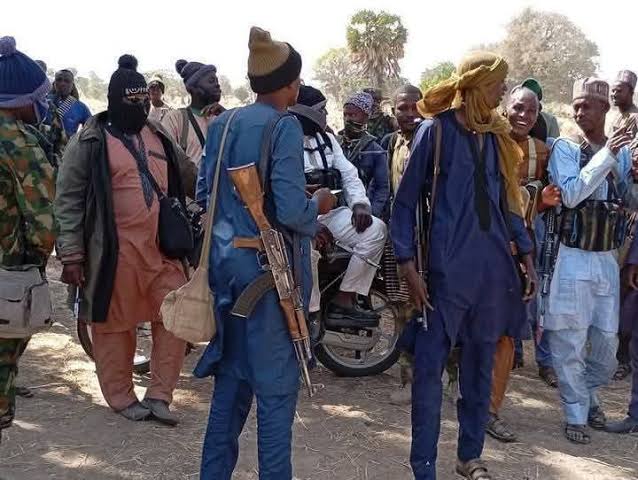
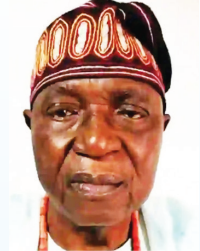

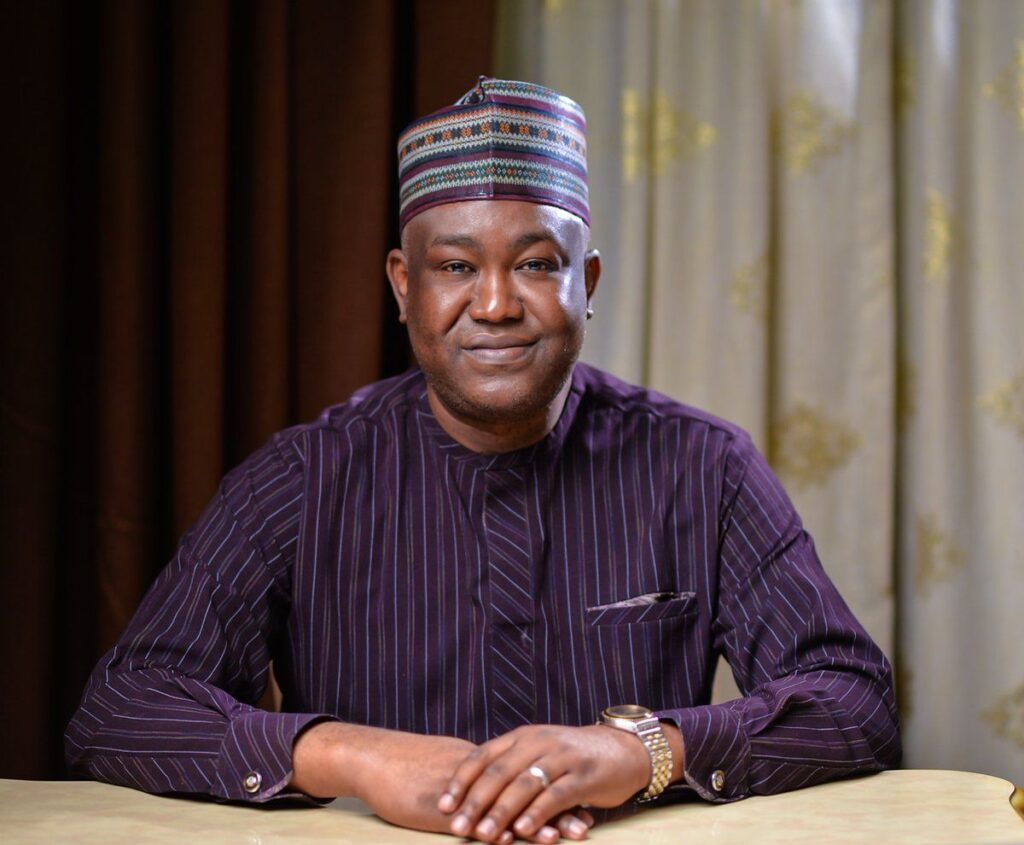
A presidential aspirant on the platform of the Peoples Democratic Party (PDP), Dr Gbenga Hashim has described the recent killings in Woro Community of Kwara State as a stark reminder of the vulnerability of rural communities in Nigeria, warning that the country risks drifting into an era where mass attacks occur without swift or effective state response.
Noting that the scale of the attack demands more than expressions of sympathy, he called for urgent accountability from security authorities. “This killing is unprecedented in its scale and unmatched in its barbarity. I offer my condolences to the Woro Community, but condolence is not enough this time around,” he said.
The PDP chieftain urged the United Nations Special Rapporteur on Human Rights to initiate an international probe into the incident, insisting that the public deserves clarity on why intelligence about the impending attack was allegedly ignored. According to him, the tragedy underscores how exposed rural population has become.
“The killings in Woro have demonstrated how easy it is for any group of deranged men to take hundreds of lives without resistance,” he stated. He raised concerns over the absence of aerial intervention during the attack, arguing that Nigeria’s air capabilities should make claims of “remoteness” untenable.
Referencing the Nigerian Air Force presence along the Wawa–New Bussa axis, which he said is less than a 15-minute flight from Woro, Hashim questioned why no emergency air support was deployed. “I hear the unacceptable explanation that it takes hours to access the remote village. So, what happened with the Air Force?” he asked. He also pointed to what he described as inconsistencies in military responsiveness, recalling past operations beyond Nigeria’s borders.
“The world needs to know why the Air Force that could fly to Benin Republic to save the Beninois president from mutiny could not save the Woro people within the same geographical axis,” he said. Hashim further criticised the military high command, noting that Nigeria’s armed forces had historically intervened decisively in regional conflicts such as those in Sierra Leone and Liberia.
“The conduct of the military high command falls short of Nigeria’s standard. Nigeria’s Army stopped killings in Sierra Leone and Liberia before. Why then can it not stop the slaughter of Nigerians in their own communities?” he queried. The presidential hopeful said reports indicated that attackers had sent a threat letter to the community and that authorities were notified. He also questioned claims that soldiers were deployed but later withdrawn. “Nigerians deserve to know who ordered that withdrawal and why,” he said.
He described as deeply troubling reports that security agencies were alerted during the attack but arrived only after the assailants had fled, asking how nearly 200 people could be killed without arrests or credible information about the perpetrators days later. Hashim warned that repeated delays in security response are emboldening attackers while widening the trust gap between citizens and the government. His words: “This is the tragedy of rural Nigeria today. Citizens are attacked, yet the state arrives after the attack, not during the attack.”
He cautioned that persistent failure to protect remote communities could push residents toward self-help measures such as vigilante reprisals, ethnic profiling, and unregulated armed groups. According to him, “when communities feel abandoned, they begin to seek survival outside the state. That is how societies slide into deeper instability.”
Hashim called on the Federal Government, the Nigerian Air Force, and other security agencies to provide a detailed operational account of the incident, including timelines of distress calls, response actions, and reasons for the absence of aerial deployment. He also advocated reforms aimed at strengthening rural protection through rapid-response systems, aerial surveillance, helicopter deployment, and forward operating bases in vulnerable border areas.
The Woro killings, he added, should not be treated as an isolated episode but as a signal of expanding insecurity across the North Central corridor, particularly communities bordering Niger State and the Kainji Lake region. He further warned that without decisive action, Kwara State could emerge as a new frontline for banditry and rural terrorism, threatening agriculture, livelihoods and social stability. “Nigeria must not normalize massacres.
If a village can be attacked for hours and the state still cannot respond, then we are facing a serious national emergency,” he said, In another development, Hashim criticised the economic performance of President Bola Tinubu, claiming that Nigeria’s economy is presently weaker than it was under previous administrations, including those of former Presidents Olusegun Obasanjo and Goodluck Jonathan.
He cited official economic figures to argue that Nigeria’s fiscal and monetary management over the past decade under the All Progressives Congress (APC) has failed to keep pace with the country’s population growth and development needs. “Gross Domestic Product (GDP) under Obasanjo was about $267 billion.
Under Jonathan, it rose to over $574 billion in nominal terms. Today, under Tinubu, it has fallen to around $230 billion. This is a shocking regression for a nation with massive human and natural resources,” he said. He also raised concerns about the devaluation of the naira, stressing that the currency’s current exchange rate is far below levels justified by Nigeria’s economic fundamentals.
According to him, the situation has contributed to a higher cost of living and weakened investor confidence. He further questioned Tinubu’s developmental legacy in Lagos State, comparing it unfavourably with that of former Military President, General Ibrahim Babangida. He credited Babangida with constructing the Third Mainland Bridge, describing it as a landmark infrastructure project with enduring impact.
“IBB contributed more to Lagos development because he built the Third Mainland Bridge. If you remove the bridge today, what is left? Tinubu’s smaller tolled bridge in Lekki is nothing compared to what IBB built,” Hashim stated. He challenged members of Tinubu’s economic management team, including the Governor of the Central Bank of Nigeria and the Minister of Finance, to defend their record in a live public debate.
He argued that Nigerians deserve transparent explanations on GDP contraction, currency instability, inflation, and the government’s broader economic strategies. On the opposition coalition, he dismissed the African Democratic Congress (ADC) as a credible political alternative, alleging that many of its members are connected to Nigeria’s current economic and security challenges. “Apart from Peter Obi and probably Atiku Abubakar, many others in the ADC are mostly Buharists who are accused of being part of the current problem,” he said.