

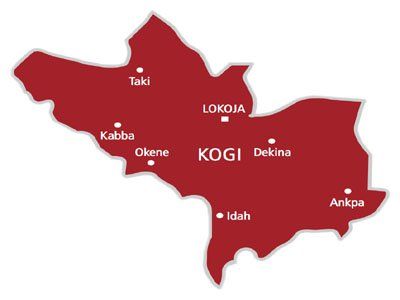
The Kogi State Government has taken decisive steps to address recurring disputes with telecommunication companies over the laying of fibre-optic cables and the protection of telecom infrastructure across the state.
To resolve these issues and prevent future confrontations, the State Commissioner for Works, Engr. Mohammed Ahovi Yusuf, who also chairs the Government’s Infrastructure Team, convened a high-level stakeholders’ meeting on Wednesday. The meeting brought together representatives from the Federal Ministry of Works, the Nigeria Security and Civil Defence Corps (NSCDC), major telecommunication companies, the State Ministry of Information and Communications, and the Kogi State Utility Infrastructure Management and Compliance Agency.
The stakeholders focused on establishing a clear framework for collaboration, compliance, and protection of critical infrastructure. Participants agreed on operational modalities designed to improve coordination, eliminate overlaps, and ensure that infrastructure development aligns with state regulations.
Briefing journalists after the meeting, the Commissioner for Information and Communications described the engagement as a major breakthrough, noting that it effectively addressed persistent skirmishes between the state government and telecom operators over critical infrastructure. He reaffirmed the administration of Governor Ahmed Usman Ododo’s commitment to creating a conducive environment for businesses to thrive, while commending telecommunication companies for their continued support of the state’s security architecture.
Also speaking, the Kogi State Commandant of the NSCDC, Mr. Olumide Aletan, expressed appreciation to the state government for convening the meeting and assured stakeholders that the Corps remains fully committed to safeguarding critical national and state assets, including telecommunications infrastructure.
Representatives of the telecommunication companies welcomed the outcome of the meeting and pledged to comply with the agreed modalities, ensuring seamless cooperation and sustainable infrastructure development in the state.