
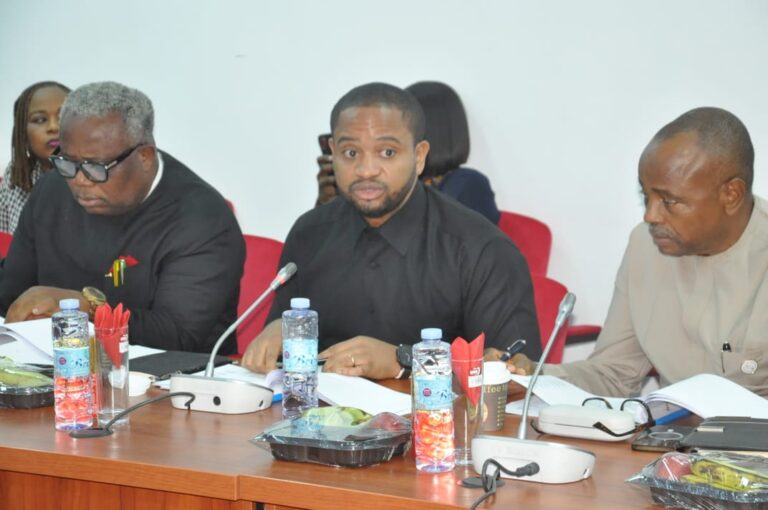



A new report has revealed that Kaduna State added 800,000 new accounts, raising its financial inclusion to 66 per cent.
According to a new report released on Wednesday, titled ‘The Last Mile: Kaduna’s Financial Inclusion Journey,’ the state grew account ownership by more than 20 per cent between 2021 and 2024, an average of 6.67 per cent annually, far above Nigeria’s national growth rate of 2.67 per cent.
The report shows that more than “2.5 million accounts were opened; more than 800,000 adults joined the banking system for the first time; women’s inclusion climbed from 38 per cent to 47 per cent; and agent banking expanded to over 2,800 active agents statewide.”
Commissioner for Finance, Ibrahim Tanko, stated that the gains reflect deliberate, state-led interventions aimed at removing structural barriers. He said, “We are proud of how far Kaduna has come. Millions now have access to formal financial services for the first time. The next phase is about turning that access into real empowerment.”
He added that the state’s ambition is to ensure citizens “use these tools in ways that strengthen their livelihoods, their resilience, and their connection to government services. Kaduna is building a digital economy that works for everyone, every day.”
The Kaduna Financial Inclusion and Literacy Committee deployed homegrown technology and field agents to accelerate enrolment. The report states that the state built its own software to link “7.9 million NINs with BVNs,” achieving the highest per-capita NIN registration rate in the country.
The effort was partly driven by gaps exposed in 2020, when the state struggled to roll out social safety nets because more than half of residents had no bank accounts. Kaduna identified three causes of low inclusion: fragmented identity systems, slow manual verification processes, and the long distance between residents and bank branches.
To address these challenges, the government adopted the WHAA model, described as a people-focused, practical, and proactive approach. It said financial inclusion had to “improve the material well-being of Kaduna residents,” leading to the digitisation of pensions, farmer subsidies and emergency cash transfers.
On practicality, the state deployed agents in urban clusters and tracked weak coverage in remote wards through public maps. On proactivity, it built software in 2021 to connect the state identity agency with national ID systems and push data directly to banks for BVN registration.
Despite the milestones, the state admitted that a significant gender gap persists. The report notes that only “53 per cent of women are financially included as compared to 71 per cent of men, an 18 per cent gap.”
It attributes this to lower phone ownership, poor digital literacy, cultural and safety constraints, and the limited usefulness of current account products for small informal traders.
The report also highlights low activity levels: only “38 per cent of the 2.5 million opened accounts were actively used with more than 3 transactions per month,” while just “11 per cent have access to credit, insurance and investment products.”
Under its 2025–2026 Financial Inclusion Strategy Roadmap, Kaduna plans to expand literacy, access, and usage across communities, women, youth, and small businesses.
The roadmap lists five focus areas: Financial literacy and awareness through schools and community programmes and Inclusive access to savings, credit, insurance, and payments.
It also lists Identity integration and easy enrolment by simplifying account opening and linking state systems with national ID platforms; Infrastructure and systems to improve digital connectivity and support agriculture and MSMEs; and Institutionalisation and sustainability by embedding inclusion objectives across ministries and local governments.
Kaduna said the next phase of its agenda aims to convert increased access into active use, economic empowerment, and a stronger digital economy for residents.