

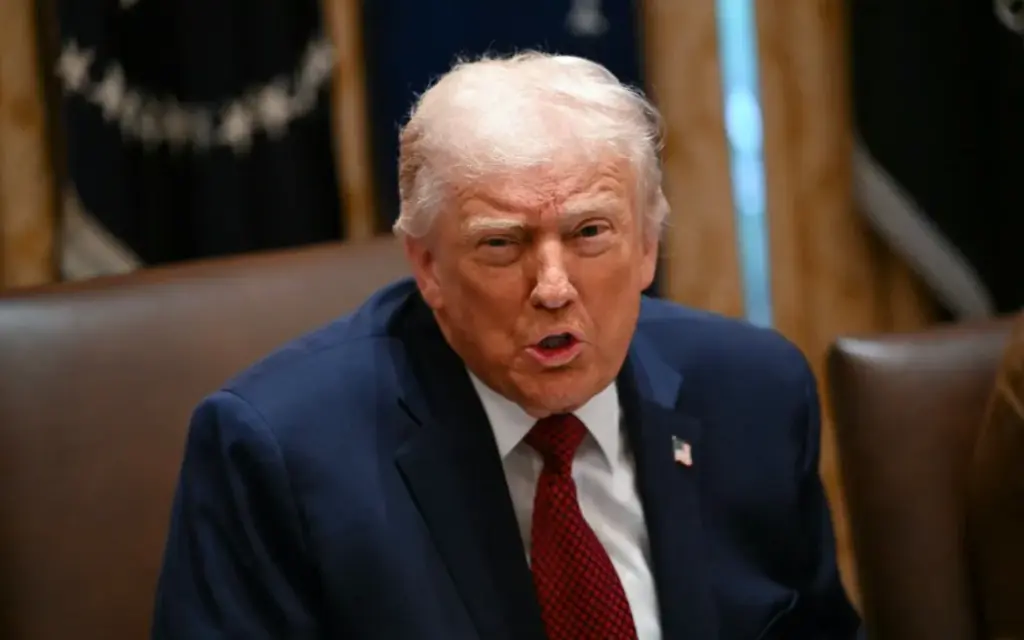
Some respite might have come to the war in the Middle East after President Donald Trump yesterday extended his deadline for Iran to reopen the crucial Strait of Hormuz to international shipping, saying the US would hold off on strikes against Iranian power plants for five days.
Incidentally, shortly after Trump made the announcement on his Truth Social site, Iranian state television put up a graphic that read: “US president backs down following Iran’s firm warning.” The reprieve came hours ahead of Trump’s self-imposed deadline later in the day. Writing in all capital letters, Trump said the US and Iran have had “very good and productive conversations” that could yield “a complete and total resolution” in the war.
Talks would continue “throughout the week,” he said. Trump added that the suspension of his threat to attack power plants was “subject to the success of the ongoing meetings and discussions.” “Iran has one more opportunity to end its threats to America and its allies,” he said. “We hope they take it.” The President later confirmed that the US side was represented by Steve Witkoff and Jared Kushner. However, Iran’s powerful Parliament Speaker, Mohammad Bagher Ghalibaf, denied talks have taken place with the US and said “fake news” is being used to “manipulate” the oil markets.
But Iranian Foreign Minister Abbas Araghchi did say he spoke by phone with his Turkish counterpart, Hakan Fidan. Turkey has been an intermediary before in negotiations between Tehran and Washington. Meanwhile, markets have reversed earlier moves after Donald Trump said the US and Iran had had “very good nd productive conversations regarding a complete and total resolution of our hostilities in the Middle East”. Brent crude has fallen 13% to about $96 a barrel.
The FTSE 100 index is now up 0.5% having fallen more than 2% earlier. Gas prices have fallen from 159p a therm to about 139p. The yield on 10-year UK government bonds, which had risen to 5.121% earlier, is now down to 4.89% – which is lower than at the start of the day. Trump’s announcement came as the United Arab Emirates reported its air defence was attempting to intercept new incoming Iranian fire yesterday afternoon.
Meanwhile, Israel launched a fresh wave of strikes yesterday at Iran, which threatened retaliation against vital infrastructure across the Middle East in a war that has plunged the world into its worst energy crisis in decades. Explosions rang out in Tehran, Iranian media reported, while Saudi Arabia and the United Arab Emirates said they were intercepting missiles and drones.
Air raid sirens were heard in Bahrain and Kuwait yesterday morning. At least 40 energy assets across the oil- and gas-exporting region have been “severely or very severely damaged” in the conflict, said International Energy Agency chief Fatih Birol, as the war ignited by IsraelUS attacks on Iran entered its fourth week.
The war, now in its 25th day today, has already seen several dramatic turning points — the killing of Iran’s supreme leader, the bombing of a key Iranian gas field, and strikes targeting oil and gas facilities and other civilian infrastructure in Gulf Arab nations. The conflict has killed more than 2,000 people, shaken the global economy, sent oil prices surging, and endangered some of the world’s busiest air corridors.
Iranian officials said 1, 462 people have been killed and 81, 365 civilian buildings have been destroyed since the war broke out on February 28, while in Lebanon more than 1000 have been killed and over 2, 500 injured. Also yesterday, Qatar held funerals for the seven people killed in the helicopter that crashed over the weekend.