
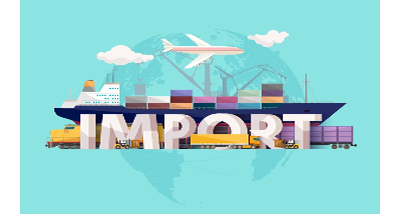
Nigeria’s already fragile economy faces a new external shock as the escalating Middle East conflict begins to disrupt global shipping and energy markets, raising fears of higher inflation, rising import costs and renewed pressure on the Naira. Global shipping companies have introduced emergency war-risk surcharges of up to $4,000 per container on cargo destined for Africa, including Nigeria, citing growing security threats to commercial vessels navigating key oil and trade routes in the Persian Gulf and the Red Sea.
For an import-dependent economy like Nigeria, economists and industry stakeholders warn that the development could trigger another round of imported inflation and complicate monetary and exchange-rate management. Maritime and logistics operators say the surcharge will significantly increase the cost of bringing goods into Nigeria’s ports.
A Lagos-based freight forwarder, Mr. John Ibekwe, said the additional charges would inevitably be passed on to Nigerian consumers. “Freight cost is a major component of import pricing. Once shipping companies introduce a war surcharge of several thousand dollars per container, the importer has no option but to transfer that cost to the market,” he said.
Industry estimates suggest the average freight cost for a 40-foot container to West Africa could rise from about $4,000 to as much as $7,000 or more, depending on routing, insurance and security risk premiums. “This will immediately increase the landing cost of goods such as food items, pharmaceuticals, industrial inputs and electronics,” Ibekwe added.
The development comes amid rising tensions in the Middle East, where threats to vessels transiting key maritime chokepoints including the Strait of Hormuz and Bab el-Mandeb have forced shipping lines to reassess their risk exposure. Economists say the knockon effects on Nigeria’s economy could be substantial. Chief Executive Officer of Financial Derivatives Company, Mr. Bismarck Rewane, warned that the conflict could trigger a fresh wave of inflation through multiple channels. “Nigeria imports a large share of what it consumes.
When freight costs rise sharply and oil prices also increase at the same time, you have a classic case of imported inflation,” Rewane said. He explained that higher shipping costs would raise prices of imported goods while rising crude prices would also increase domestic transportation and energy costs.
Global crude prices have already surged amid fears that the conflict could disrupt supplies passing through the Strait of Hormuz, one of the world’s most strategic energy corridors. For Nigeria, higher oil prices could boost export earnings, but economists warn that the gains may be offset by inflationary pressures at home.
Former Director-General of the Lagos Chamber of Commerce and Industry (LCCI), Dr. Muda Yusuf, said the freight hike could have far reaching implications given Nigeria’s heavy dependence on imports for both consumption and industrial production. “The increase in freight charges means higher import costs.
That will affect manufacturers, who rely on imported raw materials, and ultimately the cost will be transferred to consumers,” Yusuf said. The Manufacturers Association of Nigeria (MAN) also warned that rising logistics costs could worsen the already difficult operating environment for local industries.
Director-General of MAN, Mr. Segun Ajayi-Kadir, said the war-related surcharge would further inflate production costs at a time when manufacturers are grappling with high energy prices, foreign exchange constraints and weak consumer demand. “Logistics and freight costs already account for a significant share of manufacturers’ operating expenses.
Any additional surcharge will further increase production costs and reduce competitiveness,” he said. Stakeholders in the maritime sector are equally concerned about the potential impact on Nigeria’s ports and trade flows. The Nigerian Shippers’ Council, the country’s port economic regulator, said it is closely monitoring the situation.