
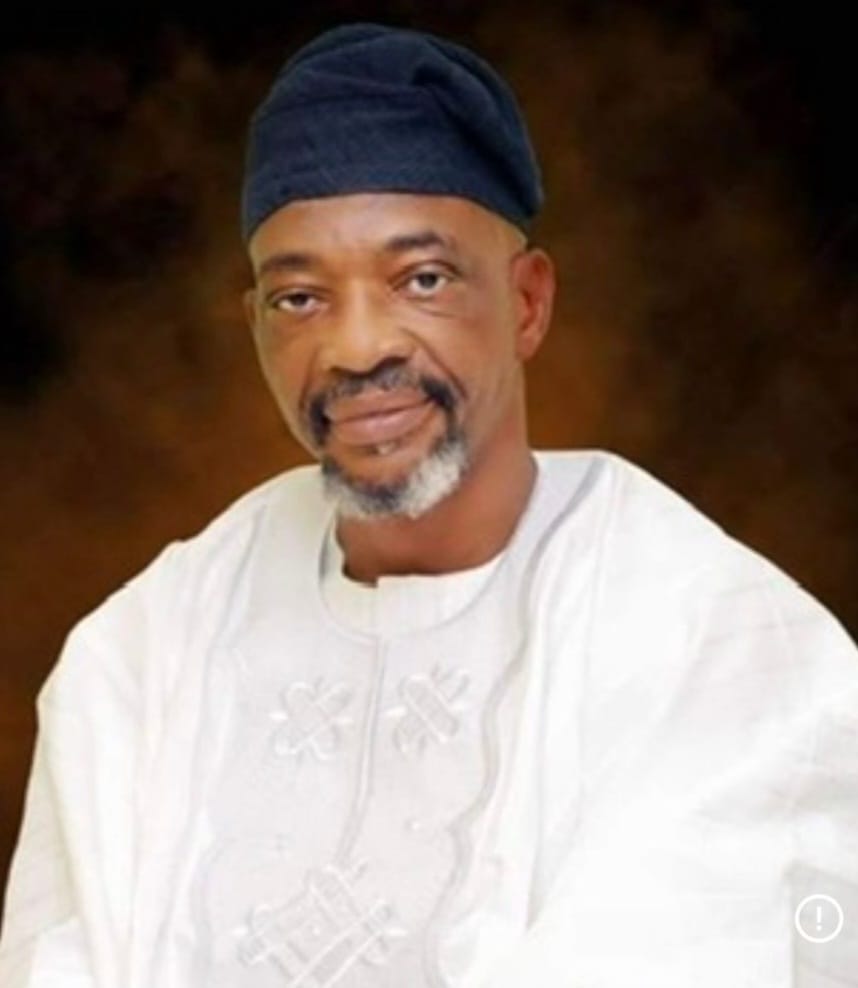
A former Chief Commissioner and Ombudsman of the Public Complaints, Prince Abimbola Ayo-Yusuf, has described his interest in the vacant Awujale of Ijebuland stool to serve his people responsibly.
Ayo-Yusuf made this declaration during an interview with newsmen in Lagos over the weekend, saying he would be a servant-leader, administrator, and community man whose stewardship would be defined by service, discipline, and responsibility.
Prince Ayo- Yusuf also maintains that he combines a strong educational grounding, proven public service at the national level, and deep commitment to grassroots development to be able to serve his people diligently.
“Beyond titles and offices, I am a son of Ijebuland who understands leadership as stewardship, rooted in values, guided by humility, and measured by impact on people’s lives”, he said.
Describing himself as a direct descendant of the Tunwase Royal lineage of the Fusenguwa Ruling House, he said, “My ancestry is well established through my forefathers, whose lives were marked by honour, service, and loyalty to the Ijebu people.
“This heritage is not merely a claim of bloodline but a responsibility, one that instils reverence for tradition, respect for institutions, and an obligation to uphold the dignity of the Awujale stool.”
Speaking on what gives him an edge over other princes, he said, “Traditional rulership is not a contest of noise or entitlement; it is a call to service. Any edge I may have lies not in superiority over others but in preparation.
“I mean years of leadership, tested integrity, emotional maturity, and demonstrated commitment to people. My journey has taught me patience, consensus-building, accountability, and calm decision-making.
“These are qualities essential for preserving unity, continuity, and respect for the Awujale institution in changing times.”
To Prince Ayo-Yusuf, the fact that about 100 princes are jostling to become the next Awujale reflects the richness, depth, and strength of Ijebu royal heritage.
He added, “It shows that the stool of the Awujale remains highly revered, respected, and relevant. Many princes coming forward are not a weakness; they are evidence of a living tradition.
“Ultimately, tradition, wisdom, and divine guidance—not numbers—will determine who best embodies the values, temperament, and responsibility required at this moment in Ijebu history.”
On what should be the role of traditional rulers in a democratic setting, Prince Ayo-Yusuf declares, “Traditional rulers remain the moral compass, cultural custodians, and stabilising force within a democracy.
The Awujale, in particular, symbolises unity above politics—bridging generations, calming tensions, and preserving identity. While democracy governs through institutions, tradition governs through trust, values, and continuity.
When both coexist respectfully, society becomes more balanced, peaceful, and resilient,” he added.