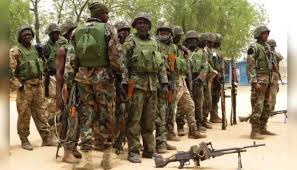
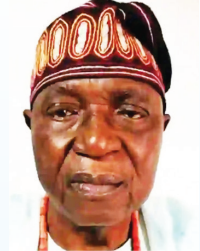

The Centre for Convention on Democratic Integrity (CCDI)’s Permanent Representative to the United Nations, Olufemi Aduwo, has backed President Bola Tinubu’s choice of Gen. Christopher Musa as the Minister of Defence. Musa retired from service as Chief of Defence Staff (CDS) and was replaced by Gen. Olufemi Oluyede when Tinubu fired his Service Chiefs in October.
After Mohammed Badaru resigned his position as Minister of Defence early this month, the President appointed Musa as his replacement. Speaking in Geneva over the weekend during a session on asymmetric warfare and its development implications in sub-Saharan Africa, Aduwo said no individual could resolve the security challenges facing Nigeria without adequate support.
According to him, effective security outcomes require sufficient funding, modern military equipment, motivated personnel and an intelligence architecture that goes beyond conventional operations.
Aduwo also stressed the importance of citizens’ cooperation for counter-terrorism efforts. He cited examples from the United States, where public vigilance helped foil the 2009 attempted bombing of a Detroit-bound aircraft and the 2010 Times Square car bomb plot.
The CCDI representative described Tinubu’s declaration of a national security emergency as a prudent and necessary step, but warned that it must be matched with clear operational planning, adequate troop deployment and the provision of modern hardware.
He said all military and security operations during the emergency period should be placed under the direct command and coordination of the Minister of Defence to ensure unity of command and operational efficiency.
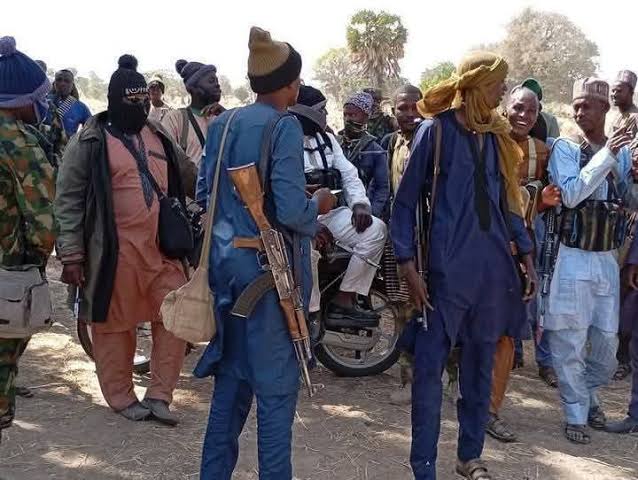
Aduwo also called for the realignment of vigilante operations currently supported by the Office of the National Security Adviser under the Ministry of Defence, cautioning that parallel command structures could weaken national security efforts. He maintained that the role of the National Security Adviser (NSA) should re- main advisory and strategic, without direct involvement in recruitment, arming or operational control of armed groups.
While acknowledging that the proposed 2026 defence budget signals progress, Aduwo said it remains inadequate when measured against the scale and sophistication of Nigeria’s security threats.
He urged state and local governments to make financial contributions during the emergency period, insisting that defence spending should be treated as a first-line charge across all tiers of government, since the armed forces are institutions of the federation.