
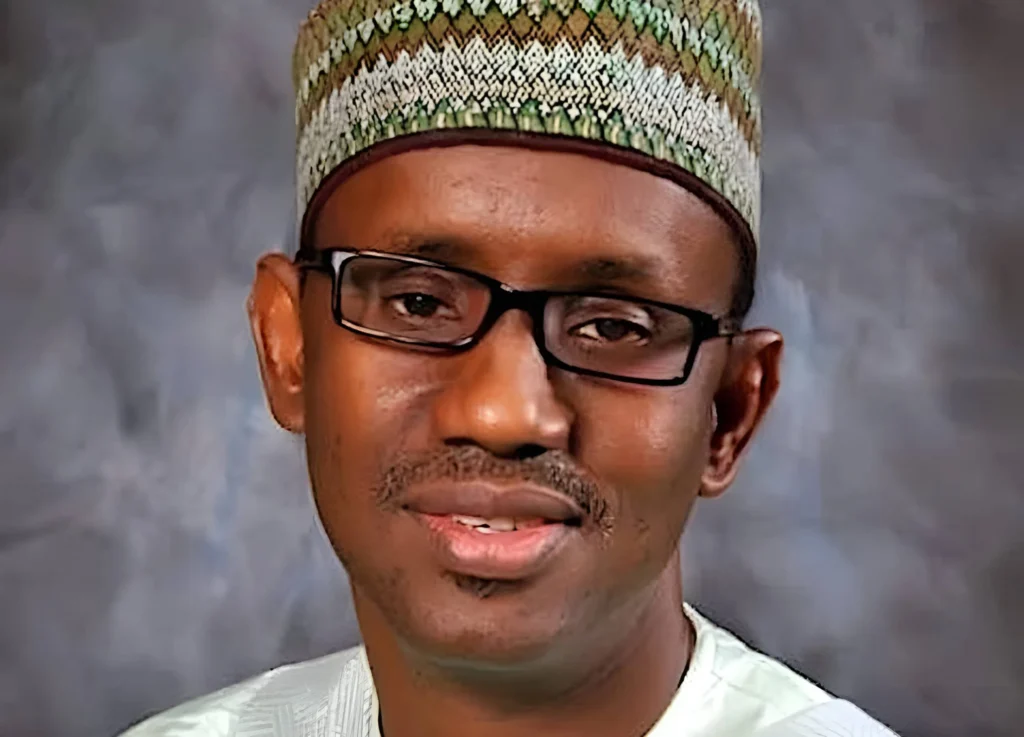
Two groups, the Oodua Peoples Network (OPN) and the Niger Delta Stakeholders’ Forum (NDSF), have rejected the call for the removal of National Security Adviser (NSA), Mallam Nuhu Ribadu by Senator Francis Fadahunsi because he is not a soldier.
The senator, who represents Osun East in the Senate, said in a statement by his media aide, Sam Segun, that President Bola Tinubu should “reorganise the nation’s security management team by appointing a retired military officer as the NSA”.
He also urged the President to redeploy Ribadu to another area of national service where his competence would be better utilised. But objecting to the suggestion, OPN in a statement by its President, Chief Olasupo Bamidele, said the lawmaker ignored an appropriate channel for communication with the President.
The group lamented that Fadahunsi threw up “our collective national security to the court of public opinion as against using his privileged position to communicate to the President where his position would have been given the desired attention.”
OPN pointed out that “the position of NSA is not the exclusive reserve of serving or retired military officers,” adding that “it is open to all competent Nigerians whom the president has confidence in.”
The group added: “It’s on record that from its establishment in 1990, the Office of the National Security Adviser was piloted by Late Muhammadu Gambo Jimeta (a retired IGP) as the pioneer Coordinator, National Security (1990-1993) and Alh. Ismaila Gwarzo-a Nigerian high-ranking security and intelligence official (1993-1998) both performed creditably well and judged the best. And yet, they were not military officers.”
Also rejecting the senator’s suggestion, NDSF, in a statement by its President, Andrew Mene, said the call reflected a narrow view of national security leadership.
According to the group, “modern security challenges-ranging from terrorism and cyber-threats to intelligence coordination-require not just military experience but strategic intelligence, inter-agency coordination and policy depth, all of which Ribadu has demonstrated throughout his career.”
NDSF said Ribadu’s track record as a former Economic and Financial Crimes Commission (EFCC) Chairman and his longstanding involvement in security and governance reforms showed that effective security leadership is not defined solely by military background, but by competence, integrity and the ability to integrate intelligence with security operations.
The group said: “Rather than distracting the nation with unnecessary politicisation of security appointments, leaders should support efforts already underway to strengthen intelligence gathering, improve operational synergy and pursue lasting peace across the country.”