MUHAMMAD KABIR in this analysis examines the turn of events since the defection of Governor Abba Kabir Yusuf of Kano State to the All Progressives Congress (APC) and the import of his new agenda.
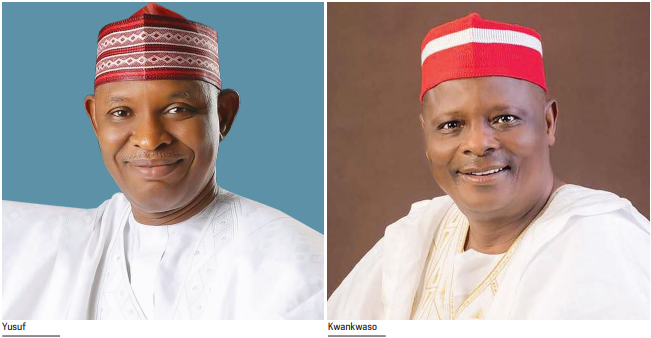
The defection of Governor Abba Kabir Yusuf of Kano State from the New Nigerian Peoples Party (NNPP) to the All Progressives Congress (APC), leaving behind his political mentor of over 40 years, Senator Rabi’u Musa Kwankwaso, still sent tongues wagging in the state.
This is because Governor Yusuf has over the years aligned himself with the Kwankwasiyya Movement, basically christened under the name of Rabi’u Musa Kwankwaso with the traditional Kwankwasiyya stance that thrived on being a radical alternative to the ruling national party, yet he has defected to the ruling party to curve a niche for himself politically.
This is even more intriguing when you consider his stance on some of the actions of his predecessor and former National Chairman of the APC, Dr. Abdulahi Ganduje. Top among which was the reversal of the decentralization of the Kano emirate and creation of a few others with independent monarchs.
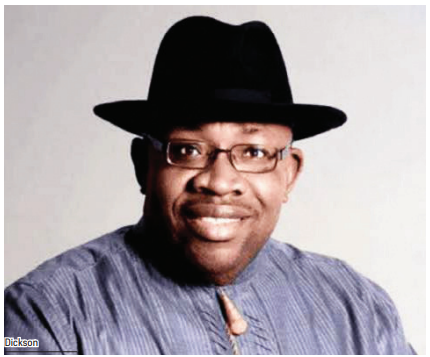
Though unperturbed by the disappointment, Senator Kwankwaso has continued to prove his mettle and realigned by hosting prominent opposition figures at his residence in Kano for Sallah celebrations. The guests included the 2023 Labour Party presidential candidate, Mr. Peter Obi, now a member of the African Democratic Congress; Oyo State Governor Seyi Makinde of the Peoples Democratic Party; and former Bayelsa State Governor, Senator Seriake Dickson, of the Nigeria Democratic Congress.
Reason behind Yusuf’s defection
Since then, the Governor has been explaining to the public that his movement to the APC was for the good of Kano State, to reposition the State through “Kano First” agenda, as a way to define his leadership style and to “re-align Kano with the national direction’, arguing that, loyalty should belong to the state, nor to a “political godfather”.
While the current development persists, the Kwankwasiyya Movement which is inseparable from the person of Kwankwaso, requiring absolute loyalty to his directives, is of the view that the Governor’s action is to promote his personal agenda, rather than to promote development.
The question now on the lips of Kano People is, “does the transition of Governor Abba Kabir Yusuf from NNPP to APC represents a “fight for autonomy,” or a tool to exit the shadow of his mentor and define his own legacy? For the Kwankwasiyya Movement, the defection is seen as a “personal political agenda”, and a classical betrayal designed to secure a second term by trading the movement’s radical identity, which the governor had enjoyed over the years.
Spokesperson of Kwankwasiyya Movement, Dr. Habibu Saleh Mailemo, told journalists that the Governor’s action has a repercussion and at a particular time, the thousands of people who worked for the movement and are now out of the engagement would react and deliver their verdict through democratic means.
On the other hand, the “Kano First” Agenda is seen by the governor, as a governance philosophy introduced by his administration to advance Kano State politically and economically while aligning the State with the national politics, marking a shift from personality-driven politics to a people-centered doctrine.
Hence, to justify his action, Governor Yusuf has variously said that the “Kano First” agenda would be focused on urgency, institutional reform, and economic revival, a shift that was meant to focus on restoring Kano as a commercial hub through infrastructure renewal and fiscal discipline.
Over time, societies, nations, organizations, groups including political parties, and governments have been adopting ideas, values systems and beliefs to guide their actions in governance and other human endeavours. Such ideas or beliefs usually transform to become ideologies, philosophies or agendas that are disseminated to the people through various means including the mass media, social and political interactions, with the sole aim of achieving growth and development in the society.
The Kano First Agenda, championed by Governor Yusuf and presented by the State Commissioner of Information and Internal Affairs, Comrade Ibrahim Abdullahi Waiya, is one of such philosophies. “The guiding philosophy of this government, Kano First, is not a slogan crafted for applause; it is a governance doctrine and a firm commitment rooted in urgency, reform, and responsible leadership.
“Its central message is simple, yet profound: Kano’s progress cannot be delayed by hesitation, sabotage, indecision, or the continued prioritization of political comfort and convenience. Progressive, visionary, and patriotic citizens who align with this new direction will move forward. Those who resist or hesitate to join this course risk being left behind,” Comrade Waiya warned.
He further explained that the “Kano First” Agenda is a governance ideology and a clear commitment of the Kano State Government, and that it represents a deliberate shift from personality-driven politics to peoplecentered governance. That philosophy places Kano’s economic development, social stability, and institutional strength above partisan interests, elite entitlement, and political allegiances driven by emotional blackmail.
The commissioner also stated that under Governor Yusuf, governance is increasingly defined by what benefits Kano and its people immediately and sustainably rather than what satisfies entrenched interests. “This ideology challenges the old culture where political actors enjoyed power without responsibility and influence without productivity,” he said.
Governor Yusuf has, himself, at various fora, been explaining the adoption of the Kano First Agenda, especially after his recent defection to the APC which drew scathing criticisms particularly from disciples of the Kwankwasiyya Political Movement to which he formerly belonged, and his former