

As economic pressures mount across the country, a growing divide has emerged among economists, policy analysts and labour leaders over the Federal Government’s post-subsidy strategy. Many are now backing a refinery based fuel subsidy model as a potential relief mechanism for Nigerians grappling with soaring living costs.
The debate comes nearly three years after President Bola Ahmed Tinubu scrapped the petrol subsidy in 2023, a move widely praised for easing fiscal strain but criticised for triggering sharp increases in fuel prices, transport fares and food inflation. Across major cities, the impact has been stark.
Commuters now spend a significantly larger share of their income on transportation, while manufacturers continue to battle rising diesel and logistics costs pressures that have filtered into the prices of basic goods and services. The situation has been further exacerbated by rising global crude oil prices, driven in part by escalating tensions in the Middle East, particularly the conflict involving Iran and Israel.
The geopolitical crisis has disrupted supply expectations and pushed oil prices upward, with direct implications for petrol pricing in import-dependent markets like Nigeria. Analysts say the ripple effects are being felt across the domestic economy, intensifying inflationary pressures and weakening purchasing power.
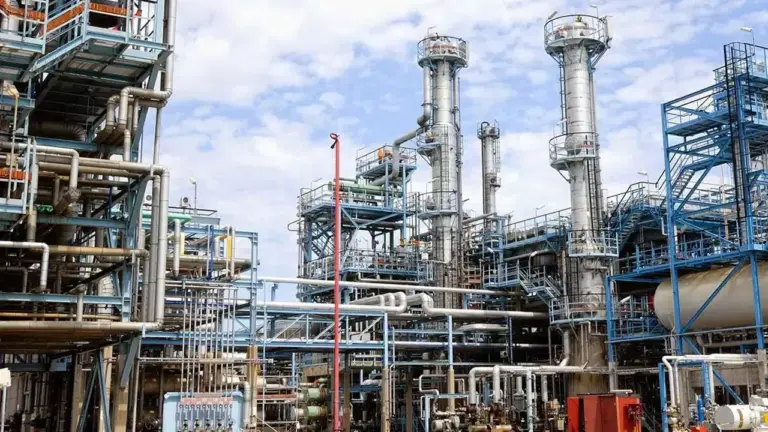
Amid this backdrop, Managing Director of Financial Derivatives Company, Bismarck Rewane, has proposed a shift from blanket subsidies to a more targeted refinery based framework. Under the model, the government would supply crude oil to select domestic refineries at concessionary rates, with strict conditions that refined products are sold at lower prices to consumers.
“It is more efficient to support a few refineries and ensure the benefits are transferred directly to Nigerians,” Rewane argued, noting that the old subsidy regime was riddled with leakages and inefficiencies. Supporting this position, policy analyst, Johnson Agagbo, said subsidising crude rather than petrol could shield the economy from global oil price volatility and stabilise the Naira.
“If refineries are forced to buy crude at international prices, pump prices could rise to between N1,500 and N2,000 per litre. A crude subsidy in Naira would help moderate that risk,” he explained. Organised labour has also thrown its weight behind the proposal.
The Trade Union Congress of Nigeria (TUC) has urged the Federal Government to deploy excess crude revenue to support local refining, particularly the Dangote Refinery, as a short-term intervention to ease the burden on citizens. TUC President, Festus Osifo, warned that the current trajectory of fuel prices now worsened by global oil shocks could deepen hardship and reverse recent gains in inflation moderation.
“Workers are already passing through excruciating pain. Rising fuel costs are affecting transportation, production and ultimately the price of goods,” he said. However, not all experts are convinced the refinery-based model is a silver bullet. Energy analyst, Kelvin Emmanuel, described the proposal as “pragmatic but execution-sensitive,” warning that without robust transparency and monitoring mechanisms, it could become another channel for inefficiency.
“The key issues are governance and accountability. Without them, this could replicate the same problems we saw under the old subsidy regime,” he cautioned. Similarly, development economist, Muda Yusuf, sees the model as a possible transitional tool but warns against long-term distortions.