




Agricultural stocks on the Nigerian Exchange have rallied strongly in the first quarter of the year, adding a combined N1.141 trillion in market value, as investors increasingly position in the sector amid persistent pressure on food prices across the country.
Market data showed that major listed agribusiness firms, including FTN Cocoa Processors Plc, Okomu Oil Palm Plc, Presco Plc and Livestock Feeds Plc, recorded significant gains between January and yesterday, reflecting renewed investor confidence in agriculture-linked assets.
Okomu Oil Palm led the rally with a market value increase of N639.119 billion, followed by Presco Plc with N491.400 billion. Livestock Feeds added N6.749 billion, while FTN Cocoa Processors gained N3.9 billion over the period. The bullish sentiment was also reflected in share price movements. Okomu Oil rose sharply from N1,095 at the start of the year to N1,765, while Presco advanced from N1,450 to N1,871.20. Livestock Feeds climbed from N6.05 to N8.30, and FTN Cocoa appreciated from N5 to N6.
In contrast, Ellah Lakes Plc was the only laggard in the sector, shedding N5.980 billion in value as its share price declined from N13.40 at the beginning of the year to N11.85. Analysts attribute the strong performance of agricultural stocks to growing expectations that food-related businesses will benefit from sustained increases in food prices, which have continued to impact household consumption patterns.
Latest data from the National Bureau of Statistics (NBS) showed that Nigeria’s headline inflation rate moderated slightly to 15.06 per cent in February from 15.1 per cent in January, suggesting a gradual easing in overall price pressures.
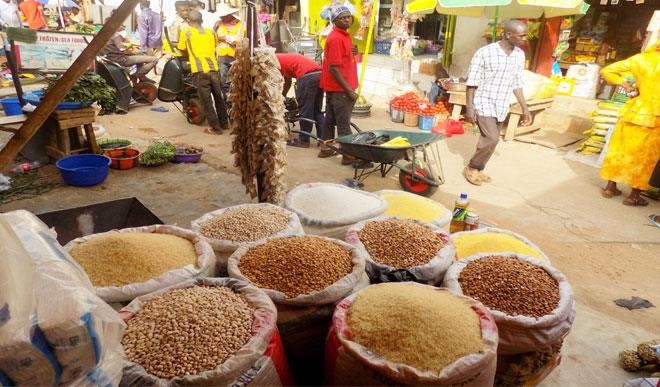
However, food inflation moved in the opposite direction, rising sharply to 12.12 per cent in February from 8.89 per cent in January, marking a return to double-digit levels after six months of decline. The 3.23 percentage point increase month-on-month was driven largely by higher prices of staple food items such as beans, yam flour, cassava, crayfish and millet flour, highlighting persistent supply-side challenges in the food system.
The divergence between easing headline inflation and rising food prices underscores structural issues in Nigeria’s agricultural value chain, including logistics constraints, insecurity in farming regions, and high input costs. For investors, this environment has strengthened the appeal of listed agricultural companies, many of which are seen as direct beneficiaries of rising food prices through improved revenues and margins.
Analysts note that the continued surge in agricultural equities may persist in the near term if food inflation remains elevated, as investors seek hedges against rising living costs. Despite the modest relief indicated by slowing headline inflation, the rebound in food prices suggests that many Nigerian households are yet to experience meaningful improvement in purchasing power, reinforcing the central role of agriculture in both economic stability and market performance.








