



McEnies Global Communications is expanding its role in Nigeria’s growing climate intelligence ecosystem through its participation in the Weather and Climate Information Services for Resilience Health project, an international initiative aimed at strengthening the use of weather and climate data to improve health outcomes nationwide.
The Lagos-based strategic communications firm said on Thursday that its involvement in the programme reflects a broader shift toward integrating climate information into decision-making within critical sectors such as healthcare, disaster management and public planning, as climate-related risks increasingly affect vulnerable populations.
The WISER Health project is led by the UK Met Office in collaboration with the Nigerian Meteorological Agency, with support from the UK Foreign, Commonwealth & Development Office and the Rockefeller Foundation. The initiative seeks to improve the quality, accessibility and practical application of climate forecasts and early warnings within Nigeria’s health sector.
McEnies is working alongside government agencies, including NiMet, the Federal Ministry of Health and the National Emergency Management Authority, to help translate meteorological data into actionable insights for policymakers and frontline health workers.
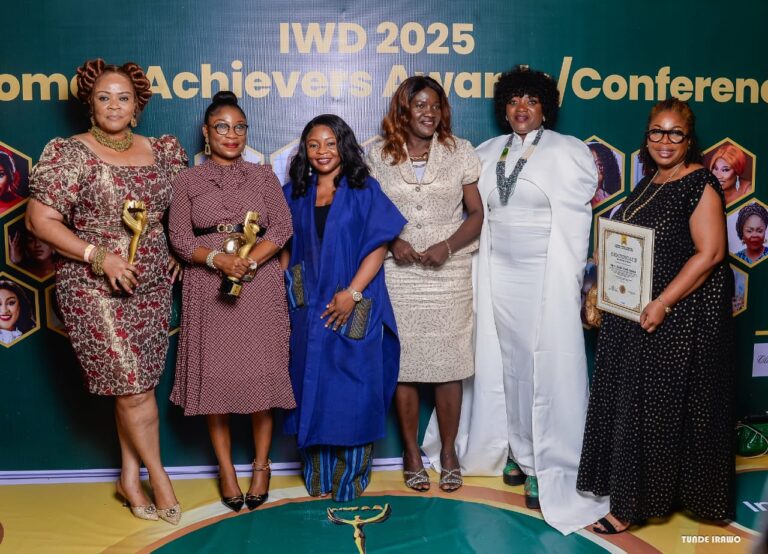
The company’s Chief Executive Officer, Dr Omolaraeni Olaosebikan, said the initiative focuses on making climate data usable rather than merely available.
“Climate information holds untapped potential to transform health outcomes,” Olaosebikan said in a statement. “Our work with WISER Health is about ensuring that data becomes practical for health agencies, enabling timely, equitable and locally relevant responses to emerging risks.”
Nigeria faces rising exposure to climate-linked health threats, including extreme heat events, flooding and vector-borne diseases such as malaria, which public health experts say are becoming more difficult to manage without reliable forecasting systems.
The WISER Health programme aligns with Nigeria’s third Nationally Determined Contribution, which targets the deployment of integrated climate, health and environmental early warning systems across at least 18 states by 2030 as part of the country’s climate adaptation commitments.
As part of its role, McEnies conducts community-level surveys across multiple states to understand how climate information is accessed and used at local levels. The firm said these insights help shape communication strategies tailored to rural, urban, coastal and informal communities that are often disproportionately affected by climate shocks.
The company also facilitates cross-sector workshops, bringing together meteorologists, health officials, emergency responders and development partners to strengthen collaboration and improve the usability of early warning systems.
Development experts involved in the project say such coordination is critical because climate data often fails to influence policy outcomes when it is not translated into formats accessible to non-technical stakeholders.
Global institutions, including the World Bank and the World Health Organisation, are contributing expertise to the broader initiative, reflecting increasing international attention on the intersection between climate change and public health in developing economies.
McEnies’s participation in WISER Health builds on earlier collaborations with the UK Met Office and the FCDO in 2023, when the company supported the development of strategic communications protocols designed to reduce flood risks in vulnerable Nigerian communities. That project focused on improving public awareness and coordination among disaster management agencies during peak flooding periods.
Leveraging lessons from that engagement, the firm is now extending its expertise into the health sector, where climate information is increasingly viewed as essential infrastructure for resilience planning.
McEnies said it plans to continue investing in innovative communication approaches that strengthen resilience while supporting sustainable development goals across Nigeria and other African markets.
The company added that partnerships between governments, development institutions and private-sector actors will be critical to scaling climate intelligence solutions capable of protecting lives and livelihoods in the years ahead.