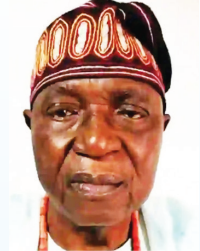

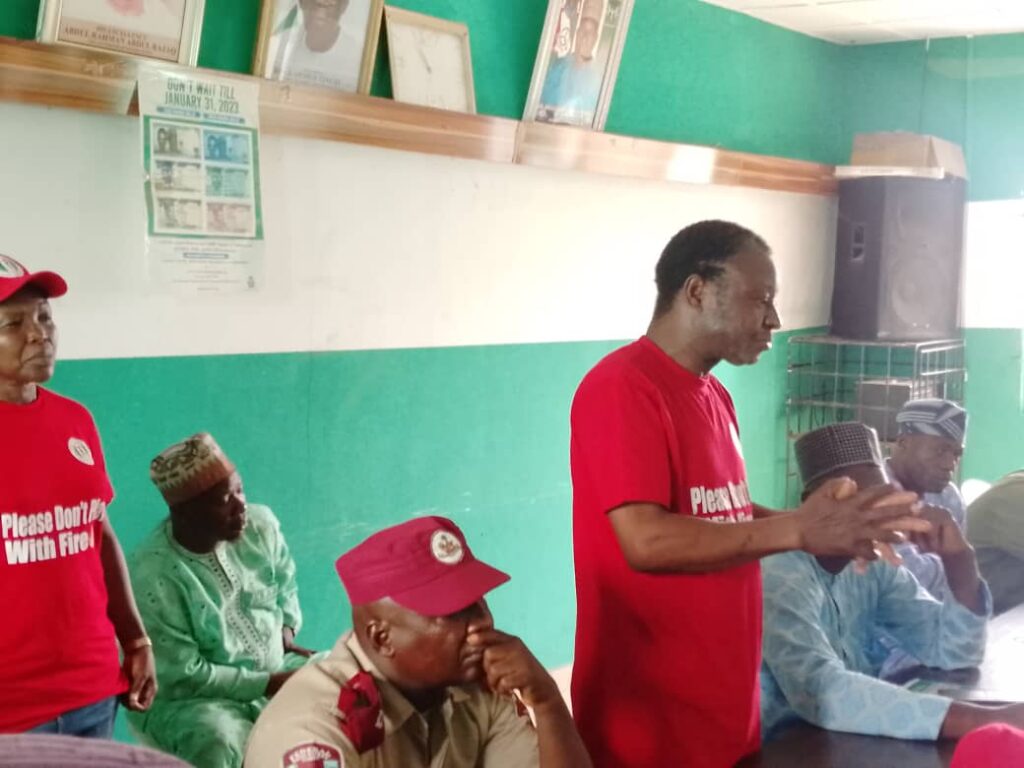
A leading burn expert at the University of Ilorin Teaching Hospital (UITH) and member of the Nigerian Burn Injuries Society, Dr. Olubunmi Aderibigbe, has warned members of the National Union of Road Transport Workers (NURTW) about the rising incidents of fire on Nigerian roads and in residential areas.
Addressing the union members on Thursday in Ilorin, Dr. Aderibigbe expressed concern over the growing number of lives and properties lost to preventable fire outbreaks. He recounted witnessing a burned fuel tanker while traveling from Ilorin to Ibadan recently, highlighting it as a stark reminder of the dangers associated with improper handling of petroleum products.
The burn expert noted that 441 Nigerians died in road-related fire incidents in 2024, attributing most of the tragedies to human factors such as negligence, overspeeding, worn-out tyres, and unsafe handling of fuel.
“Fire incidents do not discriminate; they destroy lives, families, and livelihoods,” he cautioned. “Prevention is no longer the sole responsibility of the FRSC, Fire Service, or medical teams. It is a shared duty of drivers, transport operators, and all road users.”
Dr. Aderibigbe strongly advised against carrying extra petrol in vehicles, calling it “extremely dangerous.” He also warned Nigerians using generators to avoid storing petrol in their homes, citing domestic fire incidents linked to unsafe fuel storage.
“Stop buying fuel in jerrycans for home storage. Avoid using phone lights when handling fuel. Petrol is highly flammable,” he said.
He emphasized the dual nature of fire, stating: “As useful as fire and light are, they can be destructive when uncontrolled. Avoid fire crises at all costs.”
The expert urged transporters to equip vehicles with functional fire extinguishers, stressing that preparedness is key to reducing damage during emergencies. He also warned against rushing to scoop fuel from fallen tankers, saying: “If a tanker falls, move away immediately. Your safety comes first.”
Dr. Aderibigbe concluded by appealing to NURTW members to prioritise safety in all aspects of their work: “Accidents are unplanned. Fire does not give a second chance. Protect yourselves, your passengers, and your homes.”