


…says AI can boost women’s productivity by 60%
Amid growing global concerns over job losses driven by Artificial Intelligence (AI), the Federal Government and leading technology experts have moved to reshape the narrative, affirming that AI would enhance, not replace, human productivity, particularly among women.
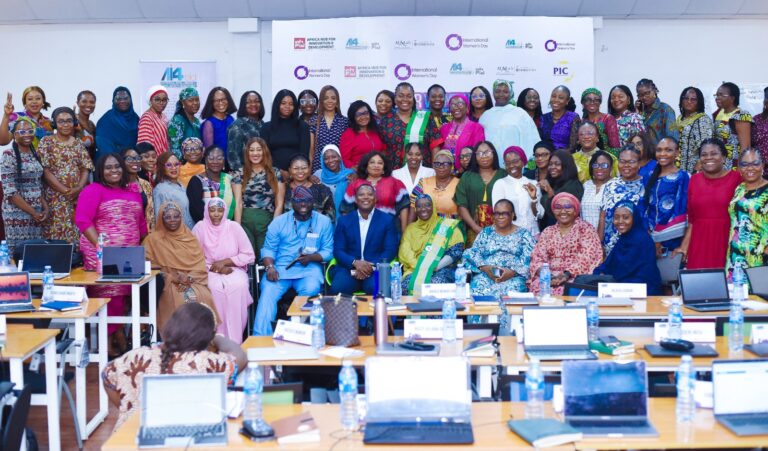
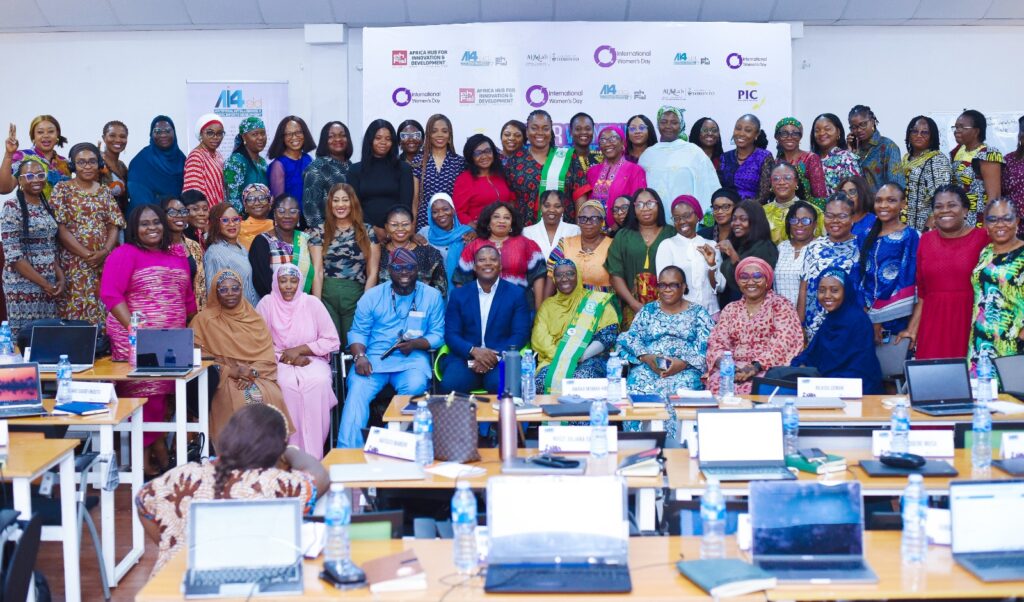
The position was highlighted at a high-level capacity-building programme currently being held in Abuja, where more than 200 women from the health, media, public service and development sectors were trained on the application of artificial intelligence tools to improve efficiency and output.
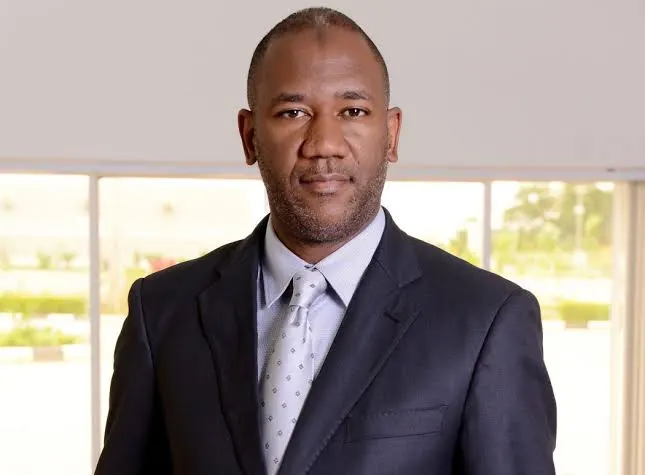
Speaking at the event, the National Director of the National Centre for Artificial Intelligence and Robotics (NCAIR), Dr Olubunmi Ajala, said the AI for Women initiative was designed to transition women from passive users of technology to active contributors and shapers of emerging digital innovations.
Ajala, who doubles as the Special Senior Technical Advisor to the Minister of Communication, Innovation and Digital Economy, noted that beyond technical training, the initiative seeks to position women as co-creators of ethical and inclusive artificial intelligence systems.
He said: “Many people view AI only from the standpoint of technical skills without recognising their role as contributors. Women have a critical role to play in ensuring that this technology is both ethical and inclusive.”
Ajala explained that artificial intelligence has become pervasive across sectors, transforming operations in fields such as medicine, agriculture, journalism and commerce.
“There is hardly anything we do today that does not involve AI in one way or another. Whether you are a medical doctor, farmer, trader or journalist, AI can significantly enhance your productivity.”
Highlighting Nigeria’s progress in the sector, he disclosed that the country has developed a government-backed multilingual artificial intelligence model capable of supporting local languages.
“With this model, users can translate content into Yoruba, Hausa and even accented English. This demonstrates that AI is relevant across all sectors and professions.”
Ajala further stressed the importance of incorporating women’s perspectives in AI development, particularly in capturing cultural and social nuances.
“For instance, when a mother says leave it for a man and I say the same thing, the meanings may differ widely depending on context. These nuances are critical in training AI systems, and women must be part of that process,” he explained.
The convener of the initiative and Founder of Africa Health for Innovation and Development, Dr Kunle Kakanfo, said the programme was designed to bridge the widening gender gap in AI adoption.
“Currently, only about 21 per cent of women have access to AI tools. This gap is significant and must be addressed.”
Kakanfo disclosed that the initiative, which initially targeted 35 participants, was expanded following overwhelming interest.
“We received over 500 applications. It became clear that limiting participation would defeat the purpose, so we scaled up to accommodate over 200 women.”
He dismissed concerns that artificial intelligence would replace human jobs, noting that the technology was primarily an enabler of efficiency.
“AI is not taking away jobs; rather, it is enhancing how work is done. These skills will ensure that women remain competitive and relevant in their respective fields.”
Kakanfo added that participants were expected to replicate the training within their respective communities, thereby expanding its impact.
“This is a catalytic initiative. The beneficiaries will, in turn, train others, creating a multiplier effect across the country,” he added.
On her part, the Gender and Inclusion Lead at the Policy Innovation Centre, Adekemi Omole, underscored the economic benefits of AI adoption.
“Studies have shown that individuals who effectively utilise AI can improve productivity by between 20 and 40 per cent, and in some cases up to 60 per cent.”
Omole dismissed the perception that artificial intelligence was male-dominated, saying, “AI is not exclusive to any gender. It is as essential as water. If you have access to a mobile device, you can leverage AI,” she added.
One of the participants, the National President of the Medical Women Association of Nigeria, Dr Zainab Muhammad-Idris, described the training as timely, especially for the healthcare sector, which continues to grapple with misinformation.
Muhammad-Idris warned against the risks associated with the unregulated use of artificial intelligence in healthcare delivery.
“One of the major concerns is misinformation, which could lead to wrong diagnosis and inappropriate treatment decisions. This underscores the need for proper training and ethical guidelines in the deployment of AI tools.”
She added that the adoption of AI would enhance service delivery and improve access to healthcare, particularly for vulnerable populations.
“We see this as an opportunity to strengthen our roles in caregiving, research and public health, ultimately leading to optimal health outcomes,” she said.
Another participant, Abosede Famuyiwa, a Chief Accountant with the Legal Aid Council, said the training had significantly improved her professional capacity.
“Prior to this, I used tools like ChatGPT, Gemini and Copilot, but this training has deepened my understanding, particularly in prompt engineering and the use of other AI tools for presentations, note-taking and report writing.”
Famuyiwa commended the organisers for offering the programme free of charge, describing it as impactful, saying, “Providing this level of training at no cost is commendable. It has greatly enhanced our productivity and efficiency.”