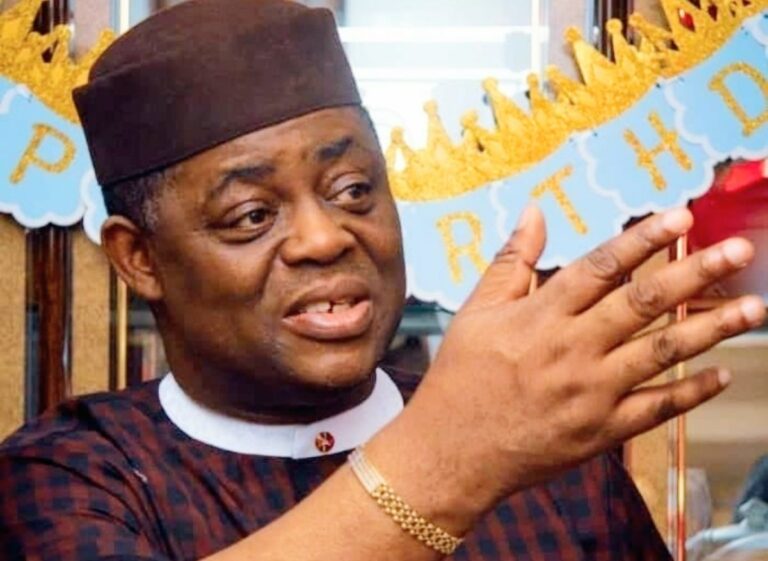

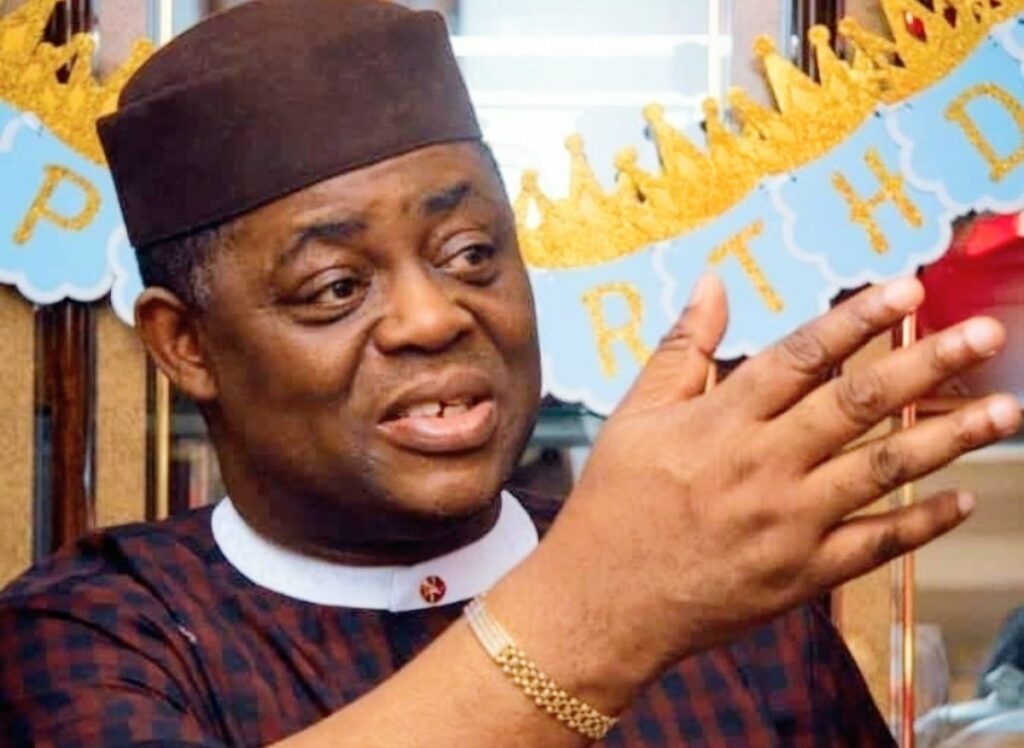
Nigerian Ambassador to Germany, Femi Fani-Kayode, has criticised the African Democratic Congress (ADC) presidential hopeful, Peter Obi, over comments he made regarding pro-democracy activists from the NADECO era.
Fani-Kayode’s criticism followed a post by Obi, who drew comparisons between some present-day political actors and the late military ruler, Sani Abacha.
Speaking on the development on Friday via his X handle, the former Aviation Minister described Obi’s remarks as offensive and disrespectful to those who fought for democracy during Nigeria’s military rule.
Fani-Kayode further dismissed Obi’s chances of becoming Nigeria’s president.
READ ALSO:
“To mock the memory of those who died fighting for democracy in the June 12th struggle and sacrificed their lives and liberty as members of NADECO in this way is unacceptable and unforgivable. Simply put, it is despicable,” he wrote.
“You shall NEVER become President of our nation,” he said.
New Telegraph reports that Obi, in his earlier post, suggested that some individuals who once championed democracy and human rights now govern in ways worse than the system they opposed.
“What an irony of history, that the acclaimed defenders of democracy and human rights who claimed to have fought for democracy during the era of General Sani Abacha now find themselves worse than the man they opposed,” Obi wrote.
He added that Abacha “will be remembered as seemingly more democratic and more respectful of human rights than the so-called champions of activism from the NADECO days,” noting that “Power indeed reveals character.”
Although Obi did not name specific individuals, his comments have been widely interpreted within the context of ongoing political tensions, including the leadership crisis within the African Democratic Congress.
Opposition figures have accused the ruling All Progressives Congress of influencing developments within opposition parties ahead of the 2027 general elections, allegations the party has denied.
The exchange highlights growing political tensions as actors across party lines position themselves ahead of the next electoral cycle.